

Distinguished Research Professors
The title of Distinguished Research Professor recognizes senior faculty members who are internationally recognized for their innovative body of work and its transformational impact on the field. The Professorship is awarded to individuals working at the very top of their discipline, who are recognized as preeminent leaders in their fields of study.

Amy Ellis, professor in the Mary Frances Early College of Education, is an internationally recognized leader in mathematics education whose research has reshaped understanding of algebraic reasoning and learning. Across a distinguished career spanning more than two decades, Ellis has developed foundational accounts of how students generalize, reason and construct mathematical meaning, producing theoretical frameworks that are now central to research and practice in the field. Her scholarship bridges cognitive theory and classroom application, influencing how algebra is taught in K-12 and undergraduate settings worldwide. Ellis’s work has appeared in the most selective journals in mathematics education and the learning sciences, including Journal for Research in Mathematics Education, Cognition and Instruction and Science. She has sustained continuous external funding for more than 20 years, securing nearly $10 million from federal agencies, and her research has informed national policy, curriculum design and teacher preparation by shaping how educators understand the development of algebraic thinking.

David Gay, professor in the Franklin College of Arts and Sciences’ Department of Mathematics, is a renowned mathematician whose research has transformed understanding of the structure of complicated geometric spaces. His work addresses fundamental questions about how multidimensional spaces can be broken down into simpler, more manageable pieces — questions that lie at the heart of modern topology and theoretical physics. Gay is best known for introducing “trisections,” a powerful new framework that provides a systematic way to decompose four-dimensional spaces into three interacting components. Developed in a landmark 2016 paper, this approach resolved long-standing obstacles in the field and has become a foundational tool used by mathematicians worldwide. It sparked extensive new research and enabled progress on problems that resisted solution for decades. Supported by sustained funding from the NSF and the Simons Foundation, Gay’s work has also led to major international leadership roles, including at the Max Planck Institute and the Centre International de Rencontres Mathématiques, reflecting the broad influence of his contributions.
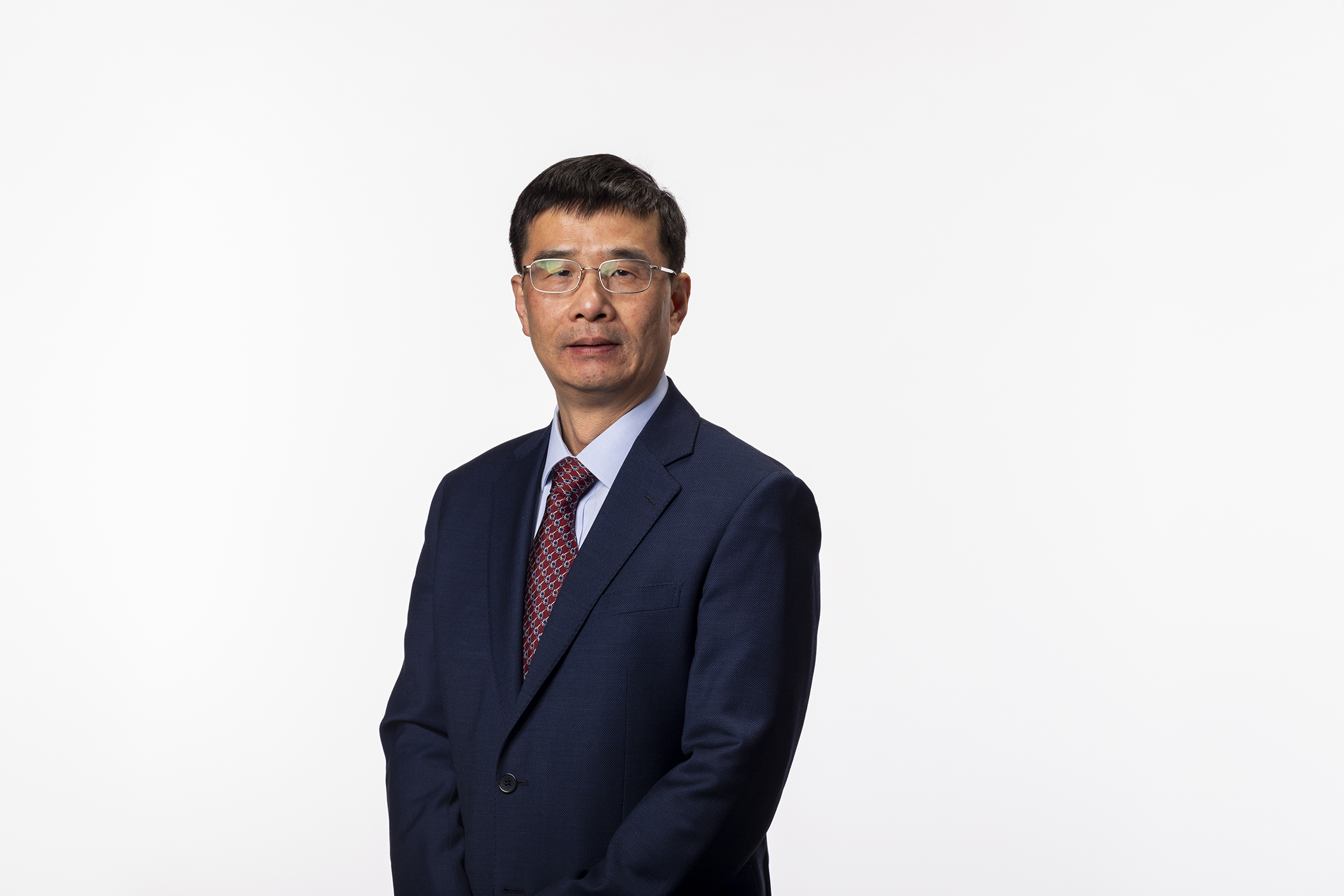
Qingguo (Jack) Huang, professor in the College of Agricultural and Environmental Sciences, has built a career defined by transformative contributions to environmental research and pollutant remediation. His work has reshaped how persistent contaminants are treated in water and soil, addressing compounds once thought to be nearly impossible to remediate. Over the course of his career, Huang has developed innovative catalytic technologies to break down highly stable pollutants, including per- and polyfluoroalkyl substances (PFAS), often called “forever chemicals.” His research integrates science with application, leading to practical solutions to urgent environmental and public health challenges. Most notably, Huang pioneered methods for degrading PFAS in contaminated water — work that has resulted in patented technologies now licensed and commercialized for real-world use. His discoveries have helped position UGA as a national leader in PFAS research and remediation. With more than 200 peer-reviewed publications, sustained federal funding and technologies adopted by industry partners, Huang’s career demonstrates how fundamental science can translate into impactful environmental solutions.
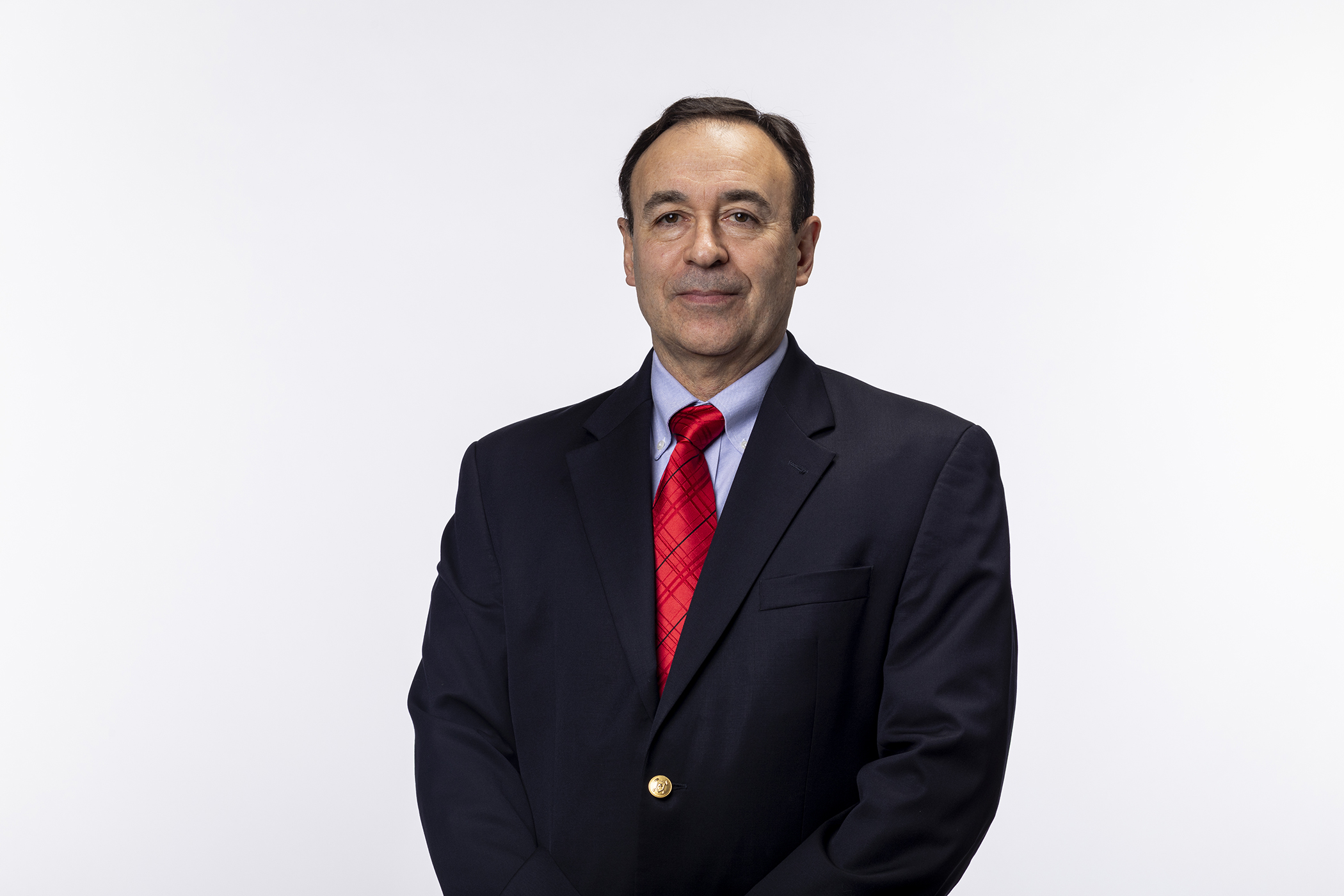
Daniel Perez, professor in the College of Veterinary Medicine and Caswell S. Eidson Chair in Poultry Medicine, has built an internationally influential research career focused on the evolution, transmission and control of avian influenza and other emerging viral diseases. His work has fundamentally advanced understanding of how influenza viruses adapt, spread and cross species barriers, providing critical insight into threats to animal agriculture, wildlife and human health. Perez is widely known for pioneering research on live attenuated influenza vaccines and novel strategies to control highly pathogenic avian influenza in poultry. His studies have directly informed disease surveillance, biosecurity practices and outbreak response strategies in the U.S. and abroad. Consistent and significant support from federal agencies has enabled Perez to build a research program with clear translational impact, bridging molecular virology, immunology and applied disease control. Through extensive publication, international collaboration and leadership during major avian influenza outbreaks, Perez’s work has shaped both scientific understanding and practical approaches to managing infectious disease threats in animal health.

Robert Schmitz, professor in the Franklin College of Arts and Sciences’ Department of Genetics, is a leader in plant epigenomics, developing genome-wide approaches to understand how chemical modifications to DNA shape gene regulation. His research maps and interprets epigenomic variation within and between plant species and examines how these regulatory features influence development, adaptation and evolution in plants. Schmitz is widely recognized for discovering how epigenomic differences arise, are inherited and interact with genetic variation to affect complex traits. By innovating epigenomic technologies and computational methods, his work has transformed how scientists study gene regulation beyond DNA sequence alone. His discoveries have important implications for agriculture and evolutionary biology, informing strategies to improve crop performance, resilience and stability through epigenome-informed breeding and biotechnology. Supported by major federal funding and published in leading journals, Schmitz’s research has helped establish epigenomics as a central framework for understanding plant genome function.
Creative Research Medals
The university established the Creative Research Medals in 1980 to recognize a distinct and exceptional research or creative project, performed by a mid-career faculty member, with extraordinary impact and significance to the field of study.

Sun Joo (Grace) Ahn, professor in the Grady College of Journalism and Mass Communication and director of the Center for Advanced Computer-Human Ecosystems, is recognized for the Virtual Fitness Buddy Ecosystem, a multi-year research project addressing childhood physical inactivity through immersive technology and personalized social support. The project integrates affordable wearable sensors, mobile devices and a mixed-reality kiosk with an algorithmically driven virtual dog designed to motivate children to initiate and sustain physical activity. Grounded in behavioral science and human–computer interaction, the Ecosystem adapts to each child’s pace and needs, encouraging long-term engagement. The project emphasizes accessibility and scalability, using off-the-shelf technologies to reach diverse populations. Supported by a five-year NIH R01 grant and extended through the COVID-19 pandemic, the research demonstrates how technology-mediated social support can promote healthier behaviors in real-world settings. Through this innovative project, Ahn advances evidence-based approaches to child health aligned with principles of precision and personalized intervention.
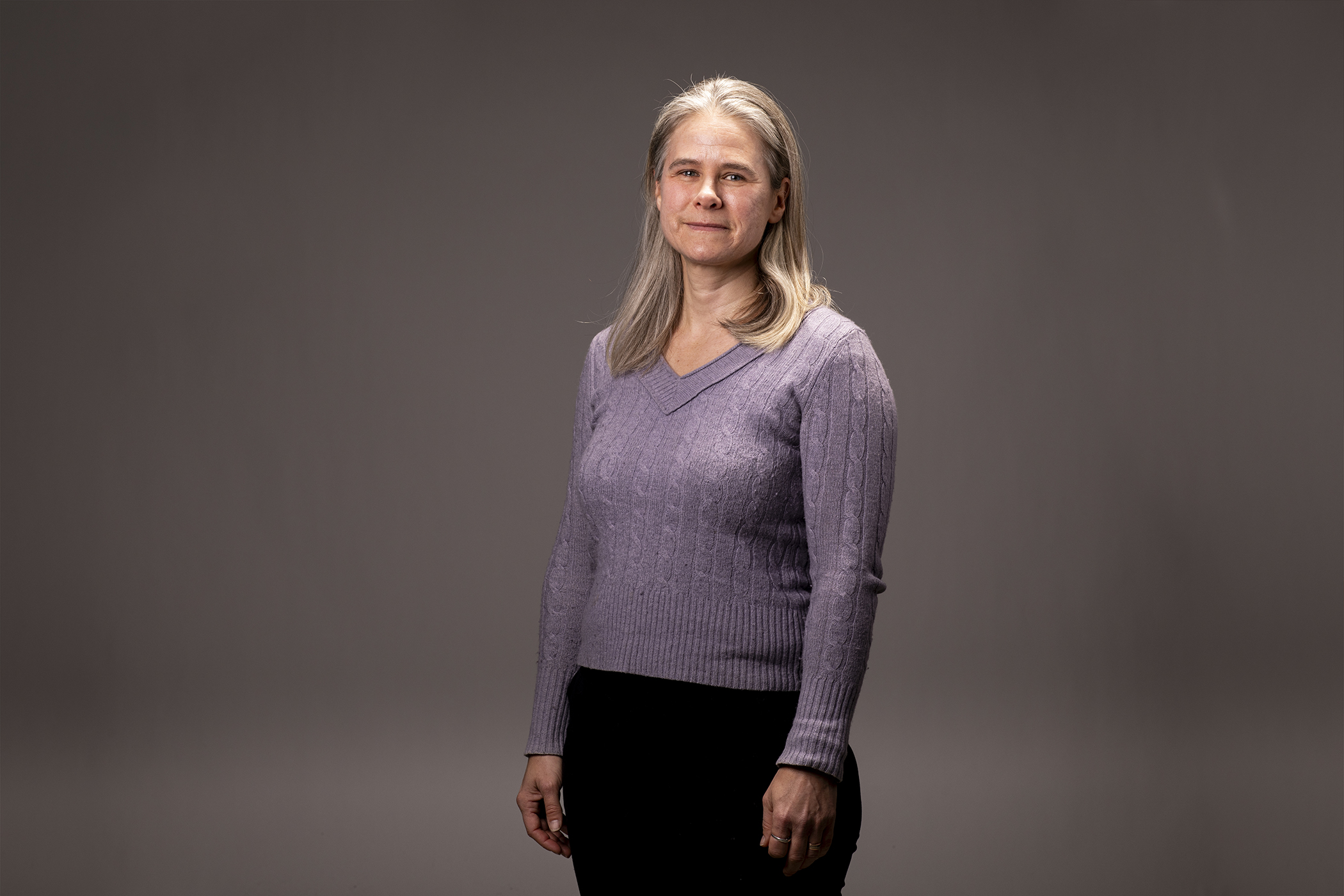
Jill Anderson, professor in the Odum School of Ecology and the Franklin College of Arts and Sciences Department of Genetics, is recognized for a groundbreaking long-term research project investigating the ecological and evolutionary consequences of changing climate patterns in natural plant populations. For more than a decade, Anderson has led one of the world’s most ambitious field experiments testing whether plant populations harbor sufficient genetic variation to adapt to rapidly changing environments. Using the Rocky Mountain wildflower Boechera stricta, her project integrates common garden experiments, climatic manipulations of temperature and snowpack, and quantitative genetic and genomic analyses across an elevational gradient. This work has produced insight into how changing climates alter natural selection, disrupt local adaptation and constrain evolutionary rescue. Anderson demonstrated that adaptation and gene flow are insufficient to prevent population declines under projected climates, even in widespread species. By linking evolutionary processes to demographic outcomes, her project has reshaped understanding of extinction risk and informed conservation strategies, including the potential need for assisted migration under accelerating climate change.

Sharina Maíllo-Pozo, associate professor in the Franklin College of Arts and Sciences’ Department of Romance Languages, is being honored for Bridging Sonic Borders: Popular Music in Contemporary Dominican/Dominicanyork Literature, an ambitious interdisciplinary research project that redefines Dominican and Latinx cultural studies. With a 2025 monograph published by the University of Texas Press, Maíllo-Pozo’s research opens new pathways for understanding how culture, music, literature and identity take shape across two islands — Hispaniola in the Caribbean and Manhattan in New York. Introducing the groundbreaking concept of “sonic literary texts,” she explores novels, poetry, music and performance that respond to political repression, migration and the complexities of transnational life. Praised by leaders in the field, Bridging Sonic Borders has earned national and international recognition, multiple award nominations and meaningful impact across Latinx, Caribbean and sound studies. Fueled by public engagement through news articles, social media events and public talks, Maíllo-Pozo invites scholars and broader communities to reimagine conversations about immigration, diaspora and belonging.
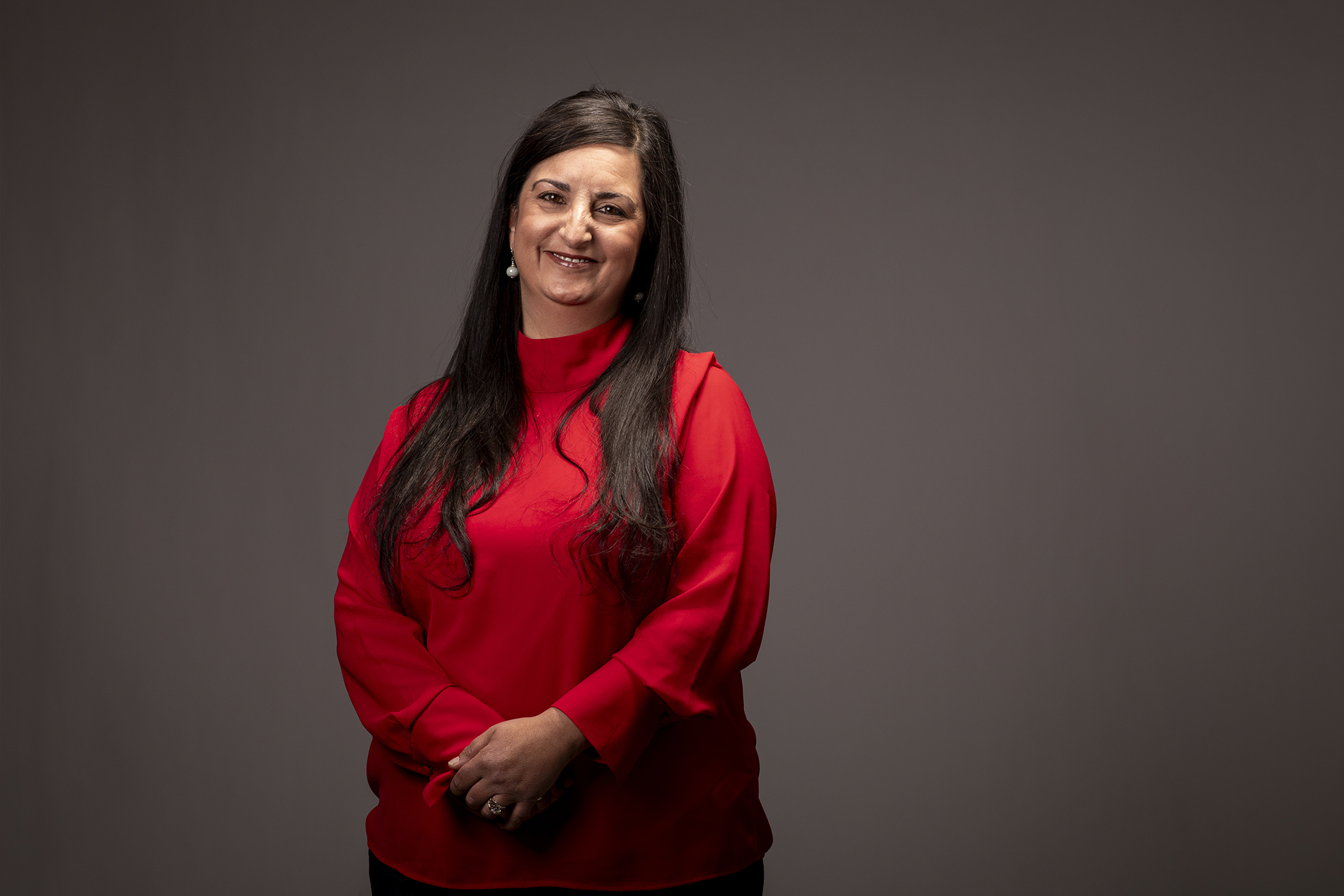
Nikki Shariat, associate professor in the College of Veterinary Medicine’s Poultry Diagnostic and Research Center, is recognized for a research project that improves the accuracy and resolution of Salmonella serotyping for public health and food safety applications. Her award-winning project involved the use of a powerful bioinformatics tool she developed, CRISPR Sero-Seq, that uniquely enables identification of multiple Salmonella serotypes, eliminating the need for time-consuming and costly traditional methods. Following national and international application in food animal production systems, the tool has made rapid impact by assisting stakeholders in characterizing Salmonella dynamics to improve public health. The project has generated high-impact publications, sustained external support and received broad recognition as a practical and transformative contribution to foodborne illness research. Through this focused effort, Shariat’s work strengthens national and global capacity to monitor and subsequently control Salmonella, with the outcome of improved food safety and enhanced public health.

Amanda Spivak, professor in the Franklin College of Arts and Sciences’ Department of Marine Sciences, has advanced scientific understanding of estuaries and wetlands and how disturbances like nutrient pollution, sea-level rise and land-use change affect coastal resilience. Her interdisciplinary research combines ecosystem ecology with novel biogeochemical approaches to describe how molecular-scale processes can affect entire landscapes. This has yielded new insights into how natural, created and restored coastal environments function and change over time. As co-director of the NSF-funded Georgia Coastal Ecosystems Long-Term Ecological Research project, Spivak draws on collaborative research from the Georgia coast to translate complex ecosystem processes into clear, evidence-based narratives that connect local environmental conditions to broader climate dynamics. She has created accessible research products that reach policymakers, coastal managers, educators and community audiences, supporting environmental decision making with scientific knowledge. By grounding public engagement in sustained field science, Spivak’s work demonstrates how research-driven communication can inform stewardship of vulnerable coastal systems.
Creative Research Awards
These awards recognize established investigators whose overall scholarly body of work has had a major impact on the field of study and has established the investigator’s international reputation as a leader in the field.

Albert Christ-Janer Creative Research Award Creative Research Award: Jennifer Palmer, associate professor in the Franklin College of Arts and Sciences’ Department of History, is an internationally recognized historian whose scholarship reshapes understanding of race, gender and slavery in the French Atlantic world. Palmer’s research integrates legal, social and cultural history to examine how colonial subjects — particularly women and people of African descent — navigated family, property and power across France and its Caribbean empire. Her prize-winning first book, “Intimate Bonds: Family and Slavery in the French Atlantic,” transformed the field by revealing how everyday relationships and household structures shaped racial and legal regimes on both sides of the Atlantic. Palmer’s current book project, “Possession: Gender, Race, and Ownership in the French Caribbean,” offers a new interpretation of property law by centering women’s legal and extralegal practices within imperial systems of exclusion. Through sustained archival innovation and conceptual rigor, Palmer has established lasting international impact in early modern Atlantic history.
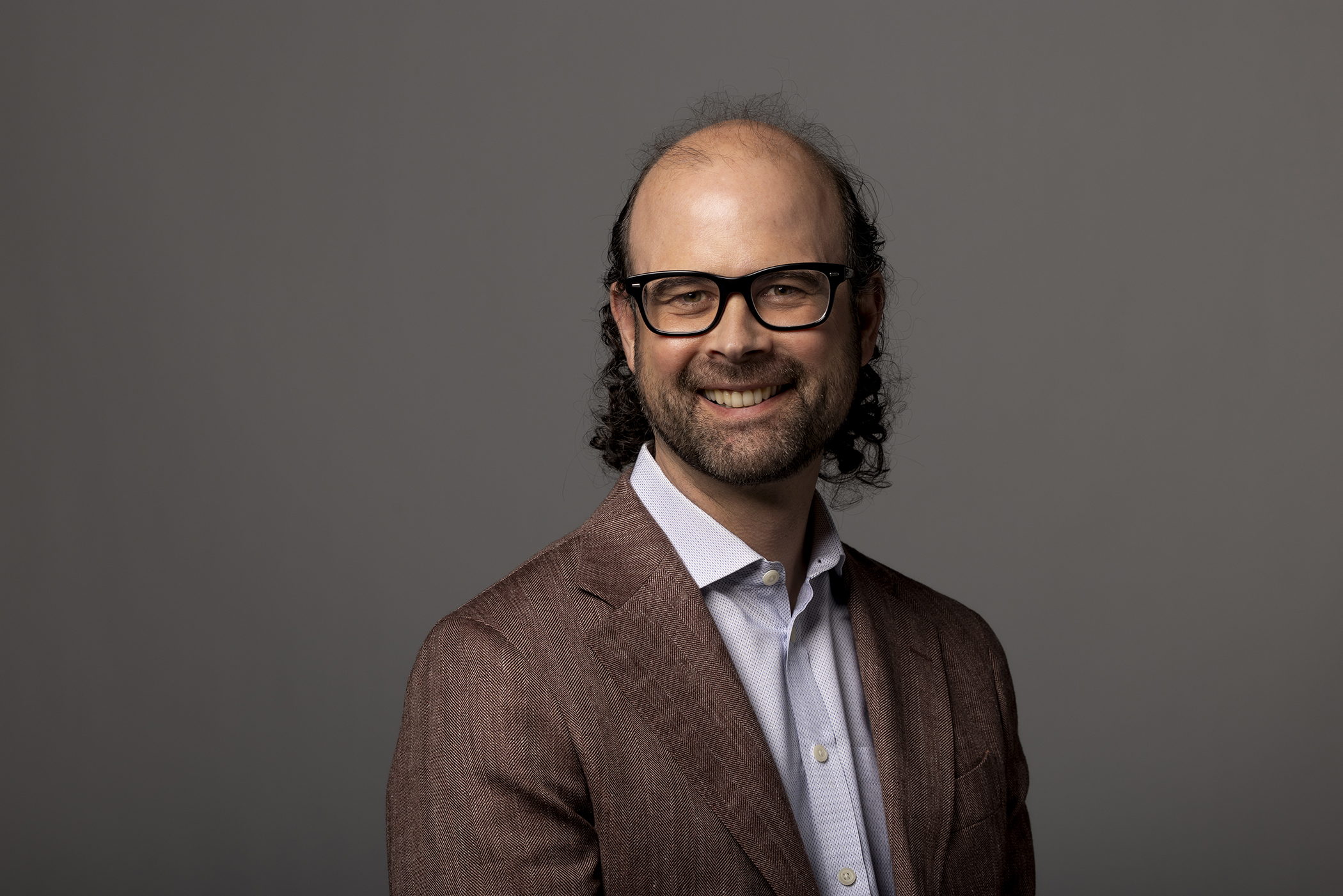
Lamar Dodd Creative Research Award: John Drake, Regents’ Professor in the Odum School of Ecology, is recognized for a body of creative scholarship that has reshaped theoretical population biology and its applications to ecology, epidemiology and public health. Drake integrates mathematical theory, statistical innovation and high-performance computing to explain how populations fluctuate, spread, persist or collapse. His foundational work on ecological unpredictability, extinction thresholds and early warning signals established new frameworks for anticipating critical transitions, influencing research in conservation biology and climate science. Drake has extended these insights to infectious disease dynamics, developing data-driven and mechanistic models that improve forecasting of epidemics, including COVID-19, influenza and zoonotic spillover. By uniting machine learning with ecological theory, his research has produced predictive tools adopted by scientists and public health agencies. With more than 200 publications in leading journals and sustained support from federal agencies such as the NSF, NIH and CDC, Drake’s work exemplifies creative research that advances theory while addressing urgent global challenges.
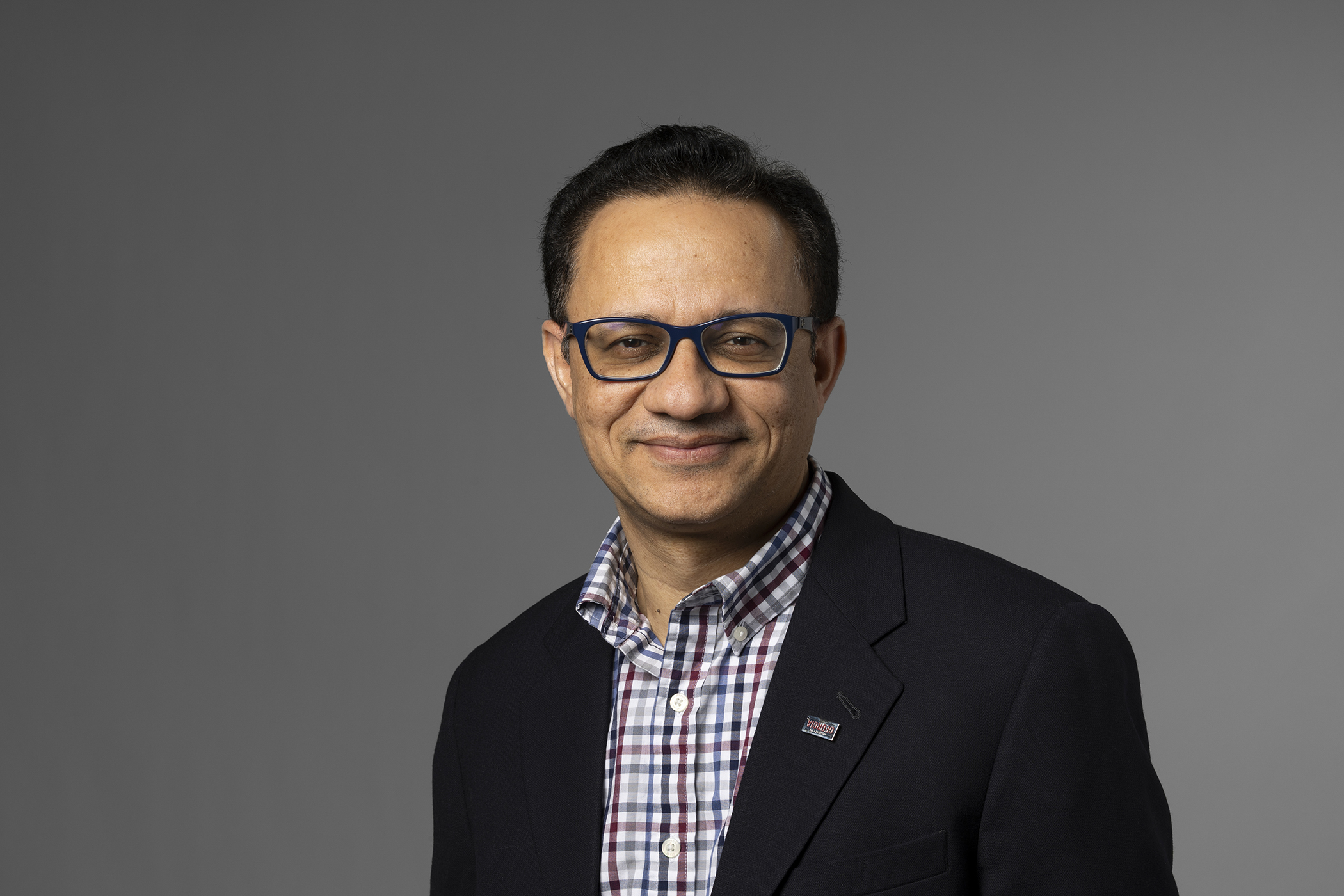
Lamar Dodd Creative Research Award: Hitesh Handa, professor in the College of Engineering and 2025 Regents’ Entrepreneur of the Year, is a leader in biomedical engineering whose work advances the safety and performance of medical devices. His scholarship integrates materials engineering, chemistry and biomedicine with a focus on developing nitric oxide-releasing biomaterials that prevent thrombosis and infection on blood-contacting medical implants. Drawing on fundamental materials design and clinically relevant animal models, his laboratory creates bioinspired surfaces that mimic the body’s natural nitric oxide production, improving hemocompatibility and antimicrobial performance. Handa’s influence is reflected in over 135 peer-reviewed publications and his reputation in biomaterials research. His collaborative projects have secured more than $25 million in funding from agencies including the NIH, CDC and the U.S. Department of Defense. Complementing his academic research, Handa has translated discoveries into practice through patents and startup companies focused on medical device innovation. Collectively, his achievements demonstrate sustained excellence with far-reaching scientific and clinical impact.
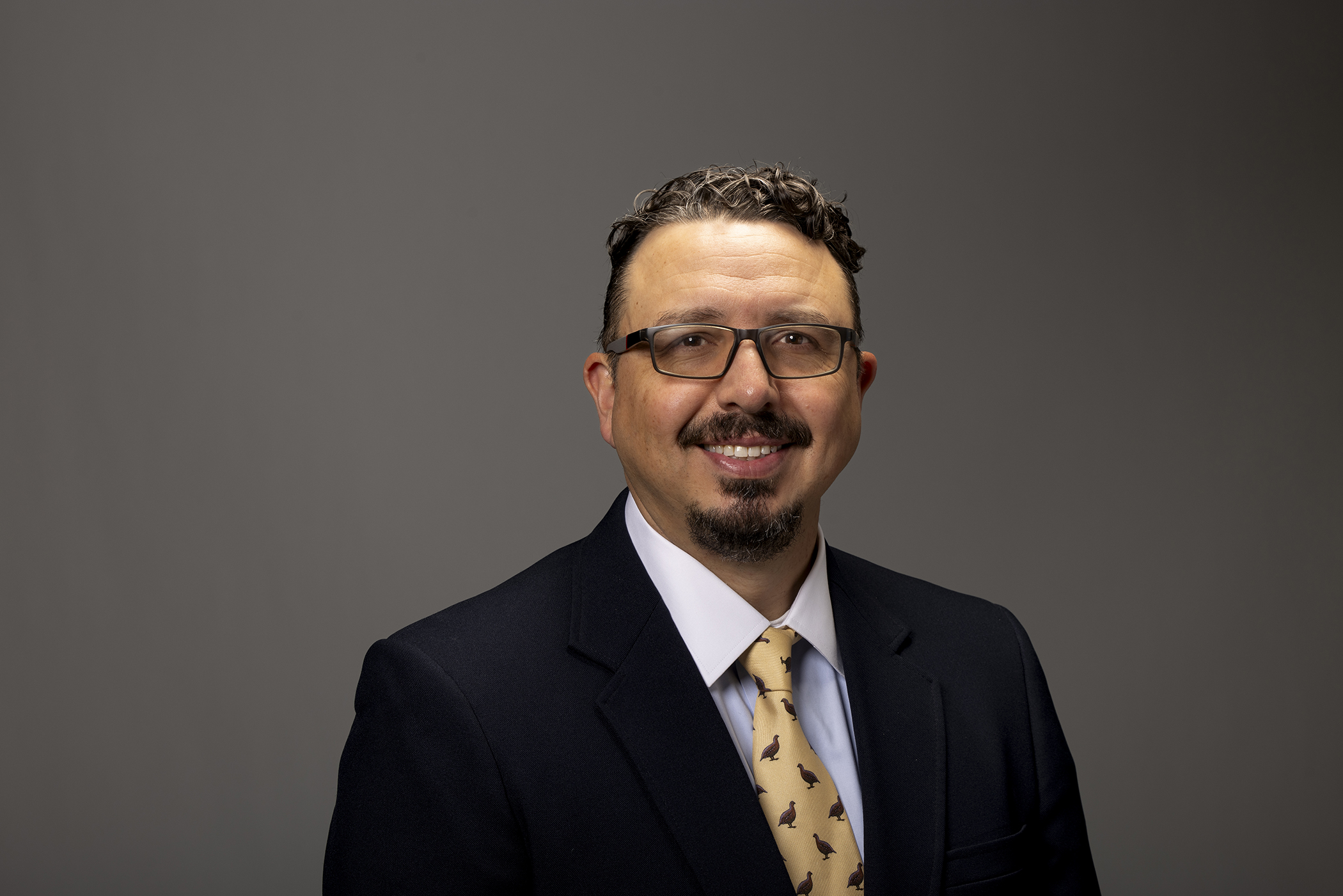
Lamar Dodd Creative Research Award: James Martin, professor in the Warnell School of Forestry and Natural Resources, is an internationally recognized wildlife ecologist whose research reshapes conservation science and natural resource policy at national and global scales. Martin integrates ecological theory, advanced quantitative modeling and large-scale field studies to address fundamental questions in wildlife population dynamics, harvest management and land-use decision making. His work on game birds, particularly the northern bobwhite, has transformed how scientists and agencies evaluate population responses to habitat management and harvest, while also informing conservation strategies for a wide range of species and ecosystems. Martin is a leader in policy-relevant conservation research, including landmark evaluations of Farm Bill conservation programs and national assessments of working-lands initiatives that guide federal investment decisions. His scholarship includes more than 125 peer-reviewed publications and has attracted more than
$20 million in funding. Through research conducted across landscapes and borders, Martin advances ecological understanding and evidence-based conservation practice.

William A. Owens Creative Research Award: Jamie Carson, UGA Athletic Association Professor in the School of Public and International Affairs, is recognized for his work examining congressional behavior, electoral politics and the institutional dynamics of American democracy. His scholarship focuses on how legislators balance party pressures, constituency demands and electoral incentives, with particular attention to voting behavior, campaign strategy and political polarization. Carson’s work has produced a substantial and widely cited body of research published in leading political science journals and university presses. His analyses of congressional voting, party competition and electoral accountability have shaped core debates in the study of American political institutions and are regularly engaged by scholars across the discipline. Supported by sustained external funding, his research combines theoretical insight with rigorous empirical analysis, including large-scale quantitative data and collaborative research initiatives. Together, these contributions reflect a record of productivity and impact that has advanced understanding of how elections and legislative institutions function in contemporary U.S. politics.
Early Career Scholar Awards
Established by the UGA Research Foundation, these awards recognize junior faculty whose research, creative and scholarly achievements indicate a trajectory toward an exceptional, sustained research career and an imminent rise to international stature in their field of study.

Michael F. Adams ECS Award: Alexander Fyfe, assistant professor in the Franklin College of Arts and Sciences’ Department of Comparative Literature and Intercultural Studies and the African Studies Institute, is recognized for his soon-to-publish book, “Writing the Noncolonial Self: Modern African Literatures and the Politics of Subjectivity” (University of Virginia Press, May 2026), a major contribution to African literary studies and postcolonial theory. The book examines how African writers articulate forms of political and ethical subjectivity within colonial frameworks, without simply reproducing nationalist or anticolonial paradigms. Through close readings of fiction, essays and political writing, Fyfe demonstrates how modern African literature theorizes noncolonial modes of selfhood grounded in relationality, responsibility and historical awareness. The book has been widely praised for its conceptual originality, archival depth and theoretical precision, and it positions Fyfe as an important new voice in global literary studies. Through this work, Fyfe has made a lasting contribution to debates about subjectivity, decolonization and world literature.

Fred C. Davison ECS Award: Cassandra Hall, assistant professor in the Franklin College of Arts and Sciences’ Department of Physics and Astronomy, is an emerging leader in computational astrophysics whose research bridges planet formation, astrobiology and artificial intelligence. Her work focuses on understanding how planets form within young circumstellar disks — particularly through gravitational instability, a long-debated process that has proven difficult to test observationally. Using high-resolution numerical simulations, Hall generated predictions for physical signatures produced through gravitational instability that were later confirmed by observations of the AB Aurigae system, providing some of the strongest evidence to date that gravitational instability can directly produce giant planets. She has published more than 60 peer-reviewed papers, including work in Nature, and her research has been featured in The New York Times. Hall has secured more than $1 million in funding as principal investigator and over $3 million in total research support. She is a National Geographic Explorer and the recipient of the Royal Astronomical Society’s Winton Early Career Award.
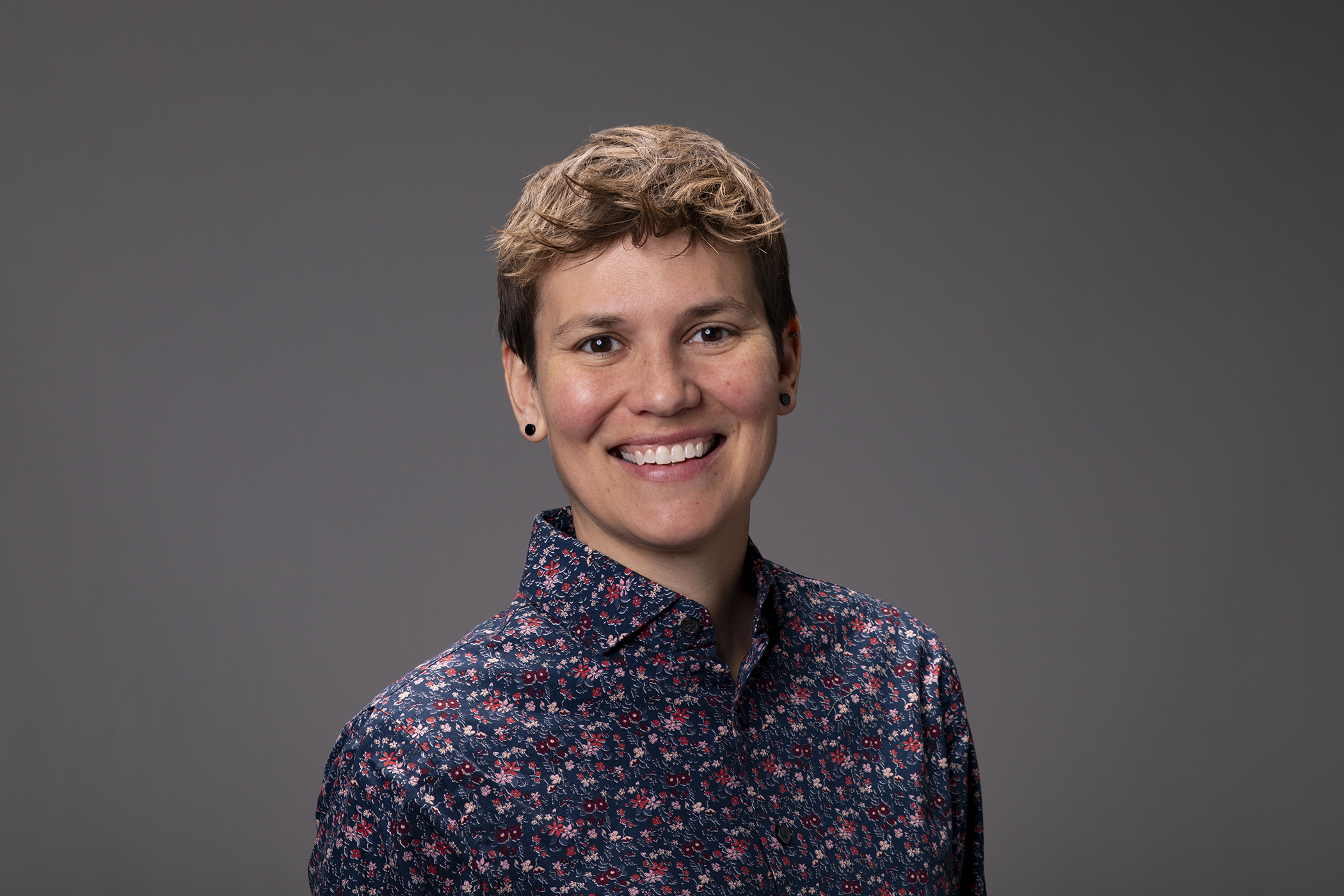
Fred C. Davison ECS Award: Amy Winter, assistant professor in the College of Public Health, is an epidemiologist whose research uses mathematical and simulation-based models to inform global vaccination policy. A central contribution of her research is analyses conducted through the Vaccine Impact Modelling Consortium, in which Winter evaluated rubella vaccine introduction scenarios across 19 countries. Her findings demonstrated that long-standing World Health Organization guidelines — requiring 80% measles vaccine coverage prior to rubella vaccine introduction — were unnecessarily restrictive. By showing that rubella vaccine introduction would not increase the burden of congenital rubella syndrome in these countries, her work provided strong evidence for expanding vaccine access. These results informed deliberations of the WHO Strategic Advisory Group of Experts on Immunization and contributed to revised global recommendations that will allow more than 200 million children access to the rubella vaccine. Achieving this level of policy impact at an early career stage reflects Winter’s exceptional research influence in infectious disease epidemiology.

Charles B. Knapp ECS Award: Carla Schwan, assistant professor in the College of Family and Consumer Sciences, is an emerging leader in food safety research whose work addresses imminent public health risks at the intersection of microbiology and consumer practice. Her research focuses on microbial food safety, antimicrobial resistance and the validation of home food preservation methods, including fermentation, freeze-drying and canning — areas where misinformation can carry significant health consequences. Since joining UGA in 2022, Schwan has authored 16 peer-reviewed journal articles, many as lead or senior author, in leading food safety journals. She has secured more than $1 million in competitive funding as principal or co-principal investigator from USDA-NIFA, the Extension Foundation and industry partners. Schwan’s work directly informs national food safety guidance and has achieved exceptional reach through her leadership of the National Center for Home Food Preservation, positioning her as a nationally visible scholar at an early career stage.
International Collaborative Research Award

The M³X (Materials, Manufacturing & Machine Learning Nexus) International Team is an integrated research collaboration led by UGA’s Kenan Song (College of Engineering) in partnership with Qatar University. Bringing together expertise in advanced manufacturing, materials science, machine learning, environmental engineering and biomedical applications, the team advances solutions in circular economy materials, clean water technologies and health care manufacturing that could not be achieved by a single institution. M³X is built on complementary strengths: UGA researchers provide leadership in additive manufacturing, composite materials and data-driven design, while Qatar University partners contribute expertise in membrane technologies, polymer processing and water sustainability. Together, the team has produced high-impact, jointly authored research and secured competitive funding from U.S. and international agencies, translating fundamental discoveries into scalable technologies. M³X also supports graduate students and postdoctoral scholars through shared mentorship, international exchange and professional recognition. By integrating environmental, mechanical and biomedical perspectives, M³X demonstrates how international collaboration accelerates innovation and amplifies research impact.
Entrepreneur of the Year Award

Kevin Mis Solval, associate professor in the College of Agricultural and Environmental Sciences, demonstrates entrepreneurial leadership that translates food engineering research into sustainable commercial innovation. A specialist in sustainable food process engineering and blue proteins, Mis Solval co-founded JellyCoUSA to transform underutilized marine resources into high-value nutraceuticals. JellyCoUSA is built around a proprietary, environmentally responsible process developed at UGA to produce readily absorbed collagen peptides from cannonball jellyfish — an abundant species along the Georgia coast historically viewed as a nuisance or limited to niche markets. The technology offers an alternative to mammalian collagen for health care and wellness applications while creating economic opportunities for coastal fishing communities. The company licensed its technology through a Georgia Startup License and secured significant financial support from the U.S. Department of Agriculture, the Georgia Research Alliance, UGA Marine Extension and Georgia Sea Grant, and Innovation Gateway. Through JellyCoUSA, Mis Solval has demonstrated how research-driven entrepreneurship can help create blue economies while advancing food innovation.
Inventor of the Year Award

Brian Schwartz, professor in the College of Agricultural and Environmental Sciences, is recognized for exceptional success in developing commercially impactful turfgrass cultivars that have transformed industry practice. As lead turfgrass breeder at UGA’s Tifton campus, Schwartz plays a central role in one of the world’s premier public warm-season turfgrass breeding programs. Schwartz is co-developer of TifTuf hybrid bermudagrass, a drought-resistant cultivar that has become the most successful and highest revenue-producing release in the program’s history. TifTuf has generated more than $13 million in gross licensing revenue, is licensed to five companies worldwide and is supported by more than 110 sublicensed growers who have sold approximately 3 billion square feet of sod across the globe. Schwartz has also led the development of newer cultivars, including Tif3D bermudagrass, Australis zoysiagrass and TifShade zoysiagrass, and contributed to widely adopted varieties such as TifElite centipedegrass and SeaStar and SeaScape seashore paspalums. His work demonstrates how publicly developed intellectual property can drive large-scale agricultural innovation.
Research Communications Award
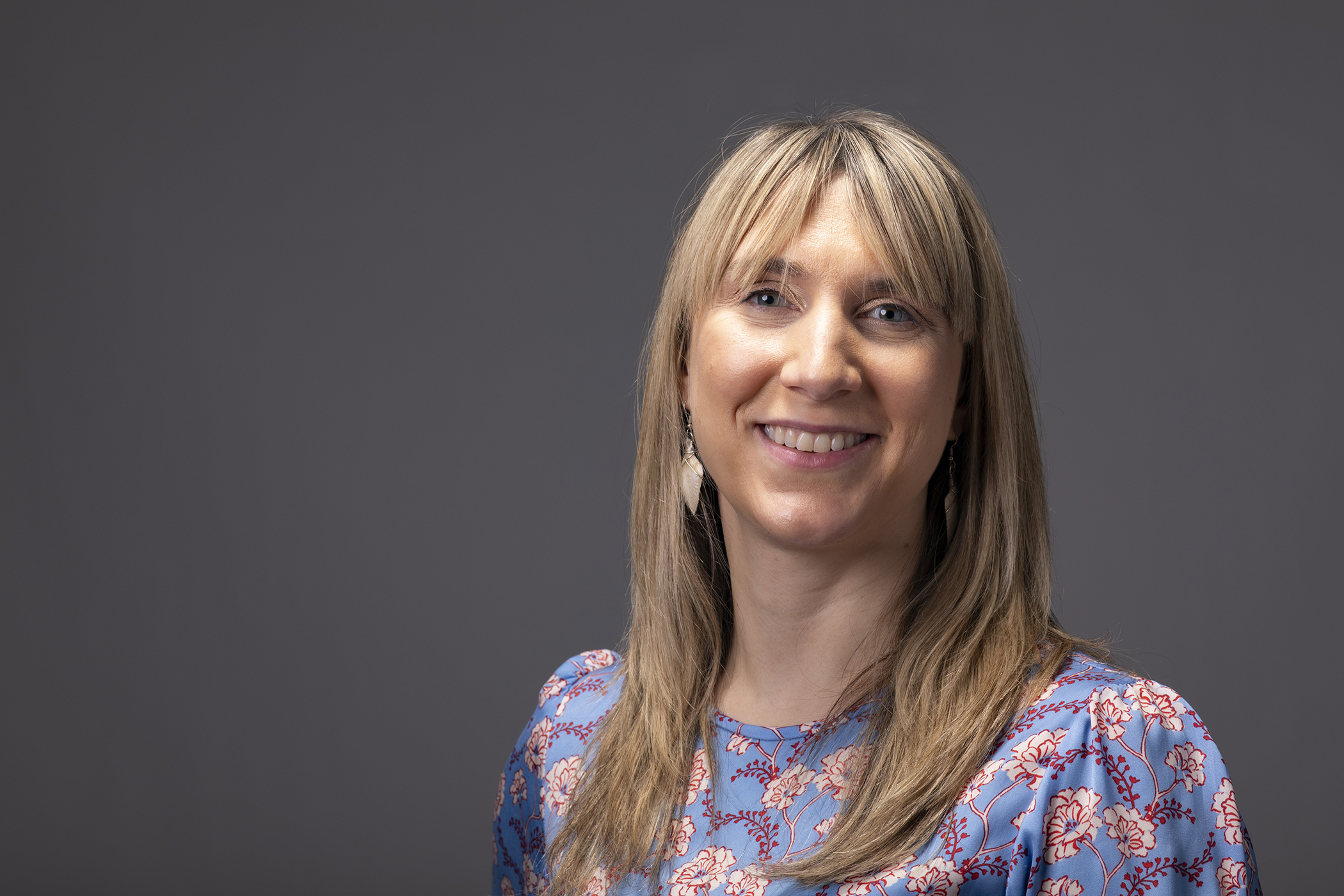
Holly Bik, associate professor in the Franklin College of Arts and Sciences’ Department of Marine Sciences, is a nationally recognized scientist-communicator whose work sets a high standard for research communication and public engagement. A marine biologist and bioinformatician, Bik studies the diversity and evolution of nematodes — microscopic worms that play essential roles in ocean ecosystems — and has developed innovative ways to make this complex research accessible to broad audiences. Her most distinctive communications effort accompanied a 2023 research expedition to East Antarctica, where her team collected nematodes from seafloor sediments to study adaptation in extreme environments. Confronted with limited internet connectivity, Bik pioneered the use of WhatsApp as a low-bandwidth outreach platform, sharing daily mini-blog posts that provided real-time insights into Antarctic science and life at sea. The project reached thousands of participants in more than 40 countries, engaged classrooms worldwide and drew coverage in Nature. Through creativity, rigor and reach, Bik transforms specialized research into shared discovery.
Non-Tenure Track Faculty Research Excellence Award

Rene Ranzinger, associate research scientist in the Complex Carbohydrate Research Center, is recognized for a sustained and influential research program advancing the analysis and interpretation of complex carbohydrate structures. His work focuses on developing computational tools and informatics frameworks that enable researchers to characterize glycans and glycoproteins — molecules essential to processes ranging from cell signaling to immune response. Ranzinger has played a central role in the development of GlyGen, an integrated knowledgebase for glycan and glycoprotein data, and the GRITS Toolbox, a suite of analytical tools for interpreting glycomics mass spectrometry data. These projects provide critical infrastructure for the glycoscience community, supporting data integration, standardization, data sharing and large-scale analysis across laboratories worldwide. By translating complex experimental results into accessible, interoperable formats, Ranzinger’s work accelerates discovery across chemistry, biology and biomedical research. Through extensive collaboration, peer-reviewed publication and long-term external support, his contributions have strengthened the global research ecosystem underlying carbohydrate science.
Team Impact Award
Established by the UGA Research Foundation, these awards recognize junior faculty whose research, creative and scholarly achievements indicate a trajectory toward an exceptional, sustained research career and an imminent rise to international stature in their field of study.
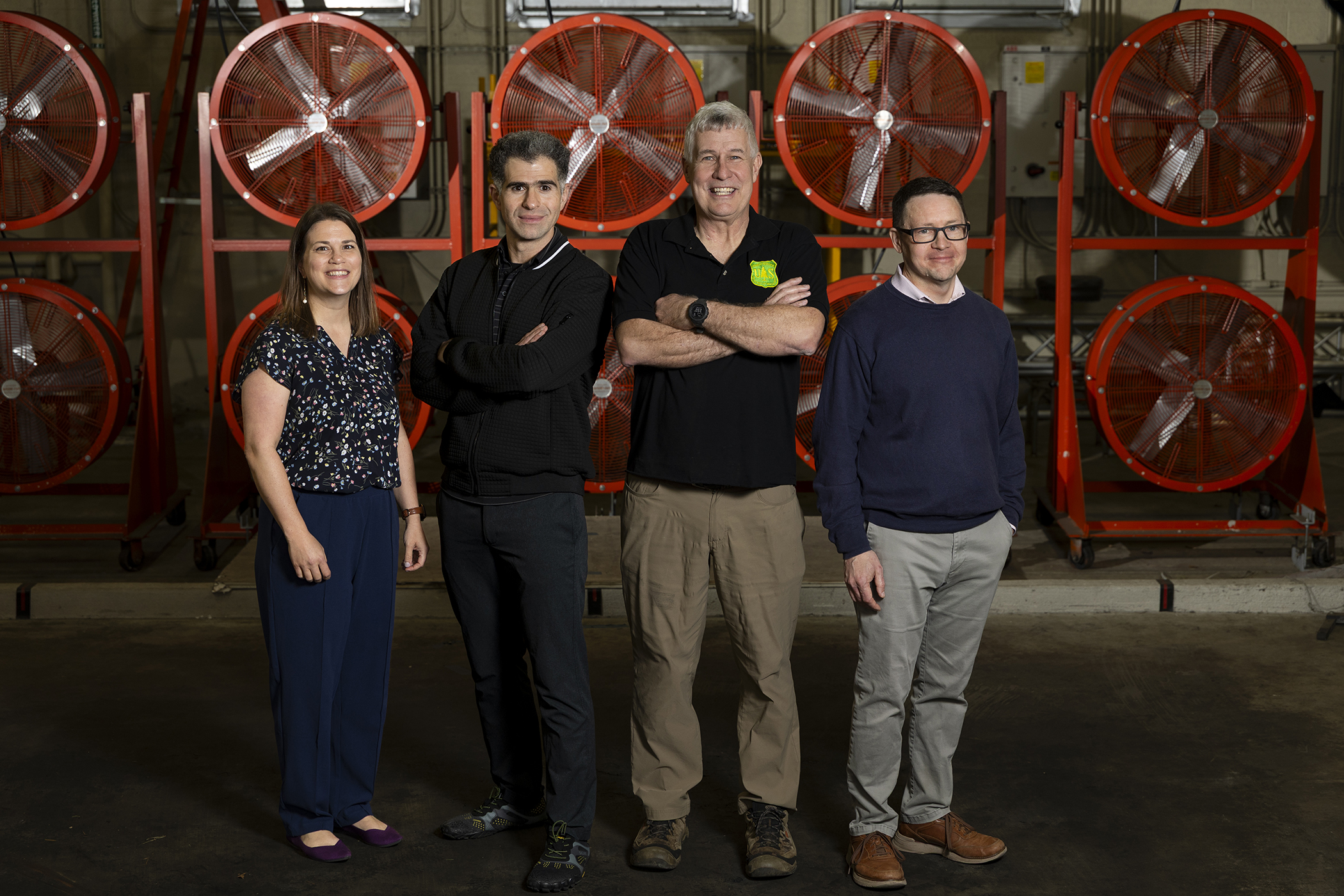
G-WISE (Georgia Wildland-fire Simulation Experiment) is an ambitious, interdisciplinary research program that has advanced understanding of wildland fire smoke and its implications for public health, environmental regulation and land management. Led by Rawad Saleh in the College of Engineering, the team integrates expertise from engineering, forestry and natural resources, chemistry and veterinary medicine to address a central challenge in fire science: how smoke from prescribed fires differs from wildfire smoke in quantity, composition and health impact. Through a tightly coordinated framework that combines laboratory-scale fire simulations, smoke chemistry analysis, toxicological assessment and predictive computer modeling, G-WISE has generated insights that could not be achieved within any single field. The team’s work has clarified how smoke composition, exposure and toxicity interact to shape health outcomes, providing land managers and regulators with evidence-based guidance for the use and timing of prescribed fires. Supported by major federal funding and national collaboration, G-WISE demonstrates how interdisciplinary team science can inform policy-relevant decisions and address complex environmental challenges.
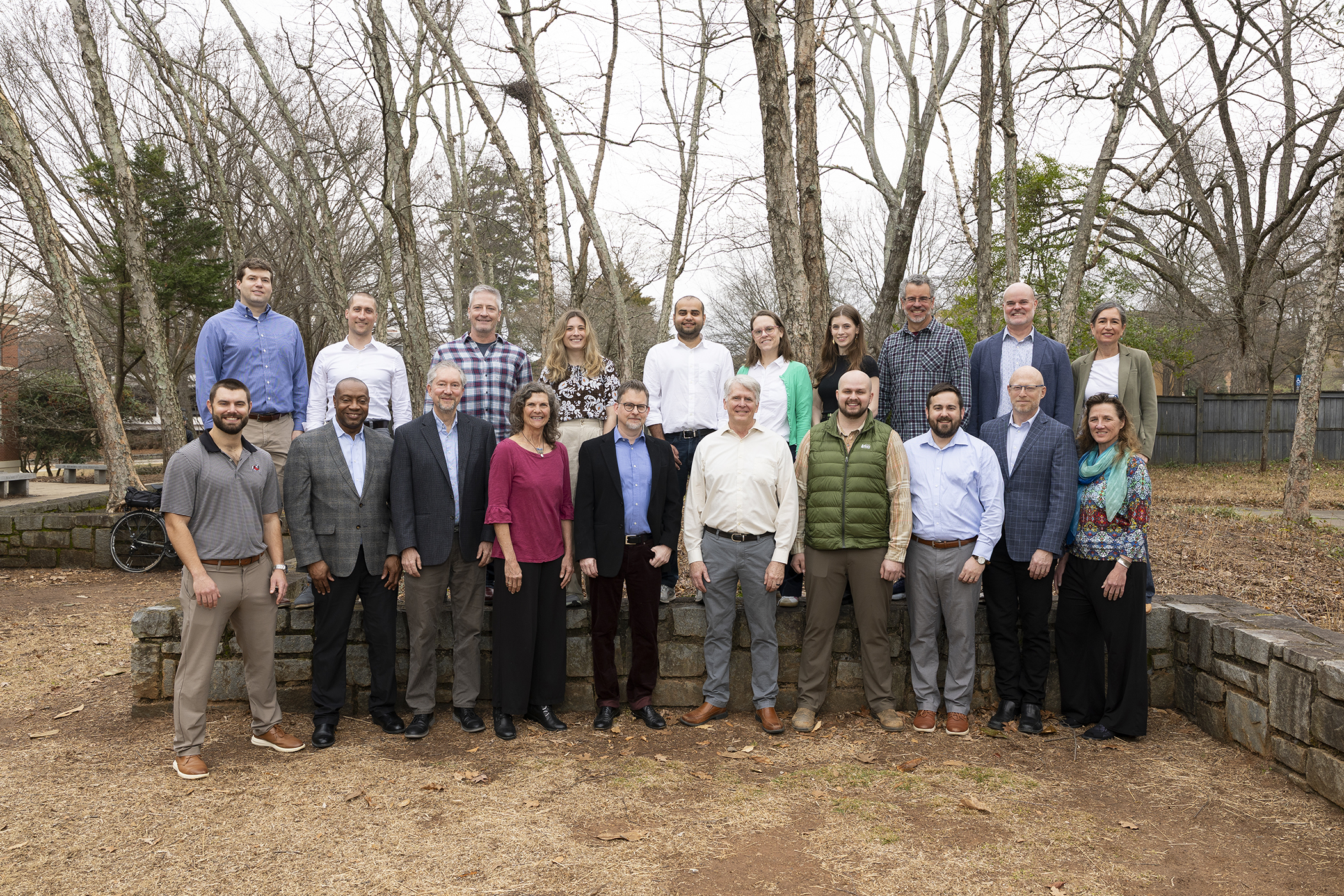
The Institute for Resilient Infrastructure Systems (IRIS) is redefining how infrastructure systems are designed to protect communities in a rapidly changing world. Directed by Brian Bledsoe in the College of Engineering, IRIS brings together engineering, ecology, forestry and natural resources, environmental design, business, public health, social sciences and related fields to develop integrative solutions in which natural and conventional infrastructure work together to reduce risk. IRIS research addresses urgent societal challenges including flooding, sea-level rise, extreme weather, drought and pollution, combining rigorous engineering and environmental science with social, economic and community-engaged approaches. The team’s work spans local flood mitigation efforts in Georgia, resilience planning for military installations across the U.S. and internationally funded projects in Latin America, Asia and the Middle East. Supported by major federal, state and philanthropic investment, IRIS has influenced engineering design standards, policy discussions and on-the-ground implementation of natural infrastructure. IRIS demonstrates how interdisciplinary team science can translate complex research into durable benefits for communities worldwide.