

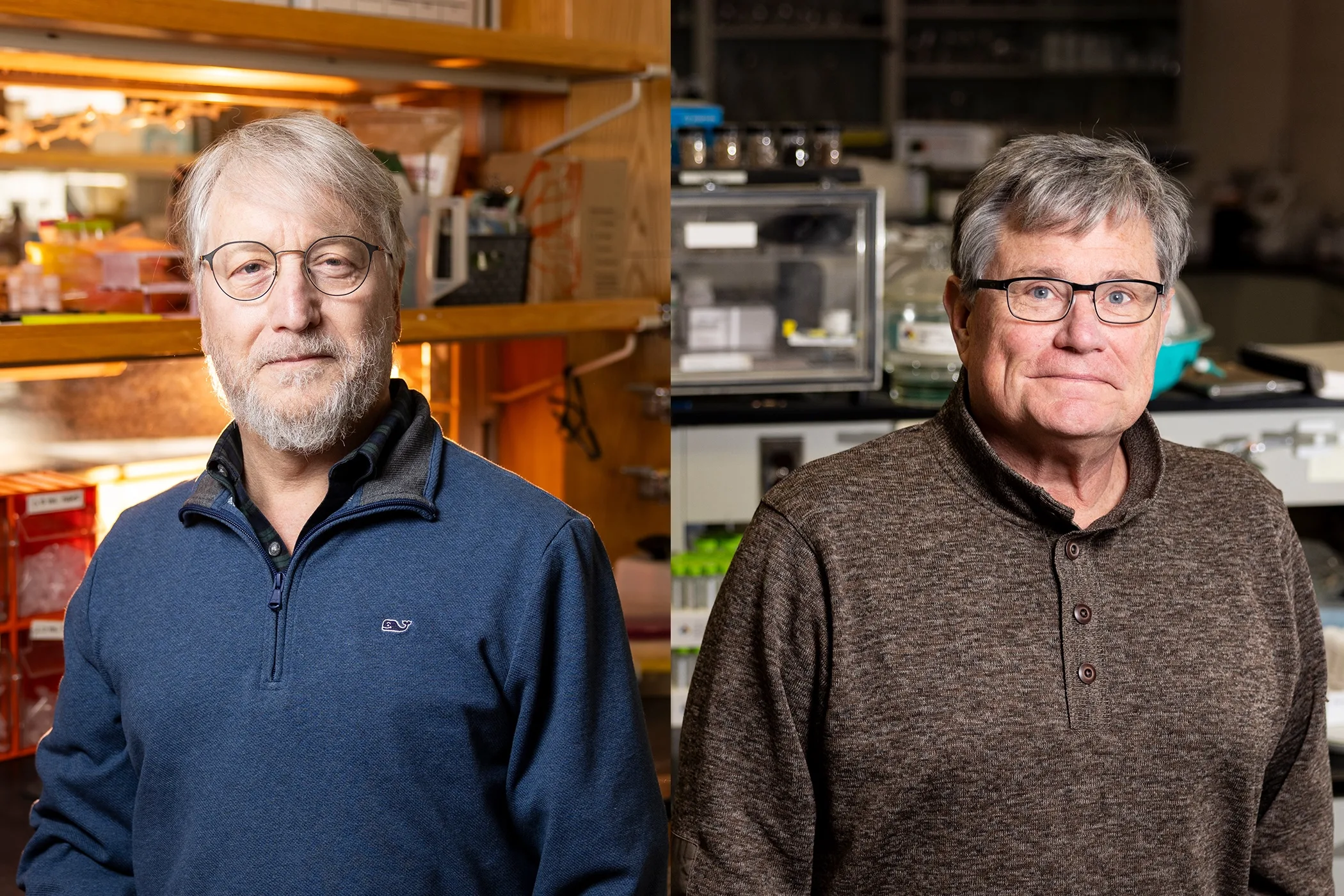
University Professors receive a permanent salary increase of $10,000 and a yearly academic support of $5,000. Nominations from the deans of UGA’s schools and colleges are reviewed by a committee, which makes a recommendation to the provost.
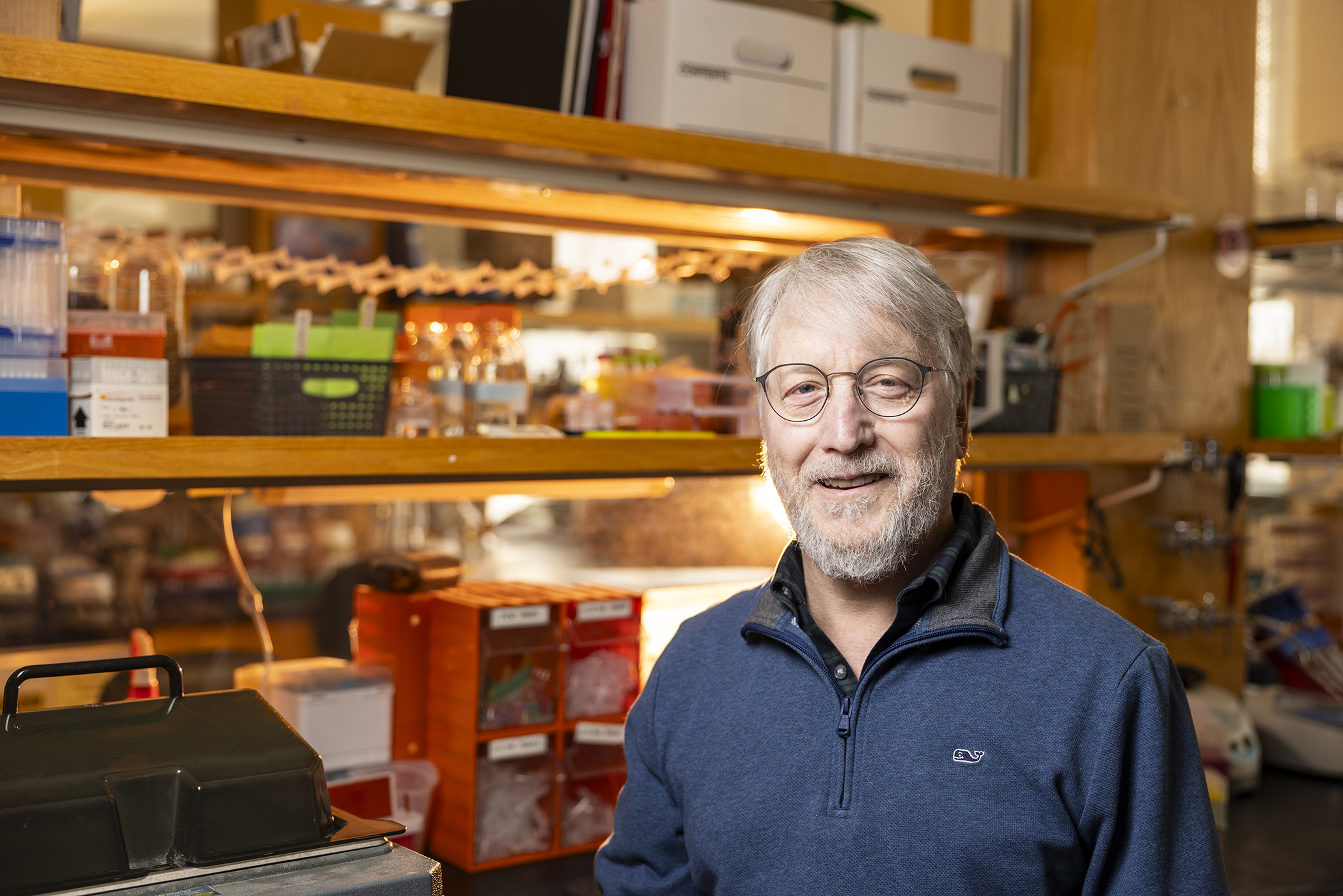
Wayne Parrott
Distinguished Research Professor
Department of Crop and Soil Sciences
College of Agricultural and Environmental Sciences
Wayne Parrott takes advantage of educational opportunities when and where he finds them.
It was a study abroad trip of his own to a tea plantation that inspired an interest in expanding global learning opportunities. When his host asked why he wasn’t taking pictures, Parrott said it was because no one would believe the images were real — the landscape was just too spectacular. His host responded, “Then you’ll have to bring them here.”
That moment eventually led to several years of working with the Office of Global Engagement to shape study abroad best practices. Parrott chaired the study abroad risk management board for seven years and served on the study abroad strategic planning board for four years. He’s been recognized with both the Study Abroad Director of the Year Award and the Richard Reiff Internationalization Award.
Parrott’s efforts to create new opportunities extend to the classroom, as well. When he first arrived at UGA, he spent two years helping design and secure approval for an applied biotechnology undergraduate major in the entomology department that continues to prepare students for various work in biotechnology fields. He also helped develop MS and Ph.D. programs in plant breeding, genetics and genomics.
Those graduate offerings are now housed in the Institute of Plant Breeding, Genetics & Genomics, which Parrott has led since 2022. In the last decadal survey of plant breeding and genetics programs in the country, UGA’s program rose from No. 33 to No. 3 in size. Additionally, Parrott serves as the interim director of the Center for Applied Genetic Technologies.
“Over the course of his distinguished career, Dr. Parrott has made transformative contributions to the University of Georgia through visionary leadership in international education, curriculum innovation and strategic program development, advancing the university’s mission in teaching, research and service,” a colleague wrote. “His contributions have shaped UGA’s academic landscape, strengthened its global presence and positioned the university as a leader in plant sciences and biotechnology.”
In addition to teaching, Parrott has held several editorial positions, given numerous invited presentations, submitted more than 125 publications and mentored and supervised many graduate students, interns and visiting scientists.
“Being a member of the UGA faculty has been a deeply gratifying experience, especially as I’ve had the opportunity to see many of my efforts come to fruition,” Parrott said.
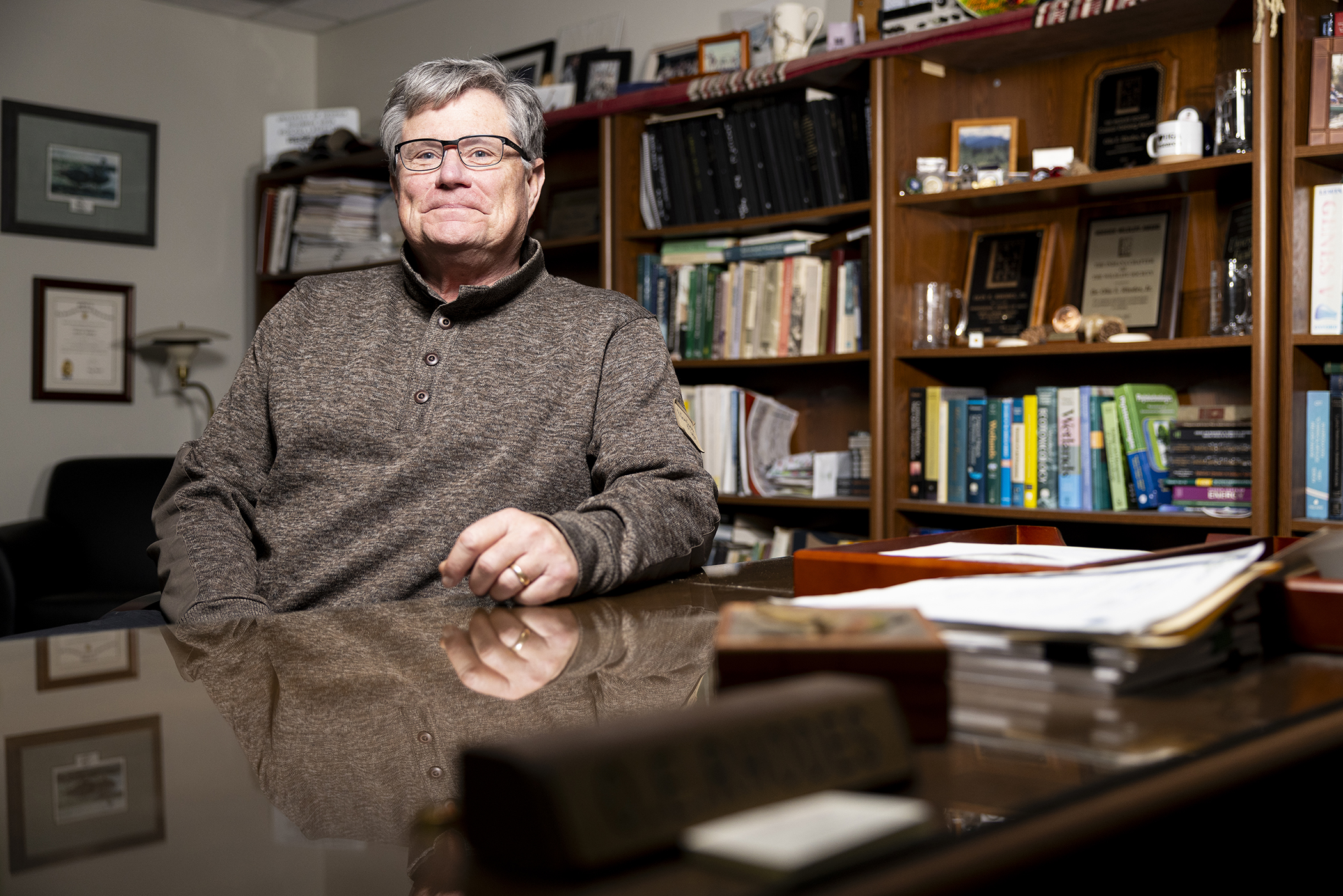
O.E. “Gene” Rhodes
UGA Athletic Association Professor in Applied Ecology
Odum School of Ecology
Gene Rhodes has strong ties to the University of Georgia and the Savannah River Ecology Laboratory.
He used SREL’s facilities during his master’s and doctoral studies and worked there as a postdoctoral fellow. In 2012, he returned as its director.
In his tenure as director, Rhodes has revitalized SREL into a productive and internationally recognized ecological research center. Specifically, he has increased the combined SREL staff by 339% — from 46 to 202 — while also growing the number of graduate students at SREL from 6 to 82 and the number of faculty from 7 to 19. Additionally, he has worked with his staff to increase external funding by 500%, leveraging $3 in external funding for every $1 invested by UGA and over $20 in external funding for every $1 of state funding invested in SREL by UGA.
All of this allows SREL to work toward its mission to provide an independent
evaluation of the impact of the Savannah River Site’s operations on the environment to the public and to the U.S. Department of Energy.
His leadership was noticed. Rhodes and Larry Hornak, associate vice president for research, were tasked with conceptualizing and creating the UGA Research Institute in 2022. The institute was designed to develop and facilitate opportunities for UGA faculty to work with mission-driven agencies such as the U.S. Department of Defense and U.S. Department of Energy.
“While I am proud of the impacts that my approach to scholarship have had on the success of faculty and students at UGA, I believe my most significant and transformative achievements at UGA have been in the area of academic leadership,” Rhodes said.
As a scholar, Rhodes continues his own research in wildlife ecology and genetics. His early use of modern genetic methods to evaluate the consequences of wildlife reintroductions and supplementation has had a lasting impact on the management of wild species and widespread adoption of genetic data by fish and wildlife management agencies. He has published 260 scholarly works, including two edited books, and has given numerous invited presentations.
“Dr. Rhodes has exceptional credentials as a leader, administrator, faculty member and agent of change at the university. He has played an impressive and significant role over the past decade in advancing UGA’s mission in a transformative manner that is deserving of this designation,” a colleague wrote. “In his teaching, research, administrative duties, and service within and beyond the UGA community, he has seeded careers, advanced the state of his discipline, transformed UGA research units and catalyzed positive change in virtually every project he has touched.”