

Johanna Royo is passionate about music and expanding self-concepts through music instruction.
“There is power in discovery,” she said. “When you achieve a skill or level you’ve never accomplished before, that experience has the power to expand your self-concept. You are no longer the limited self who ‘can’t sing’ or ‘can’t lead.’ We must first let go of or work through our self-limiting barriers and take a leap into a space of freedom, curiosity and creativity. There are many facets to teaching music, but an integral part is creating a space to allow a journey of expressive exploration and introspection.”
Royo, who has a Ph.D. in music education, teaches voice to non-majors and music education instrumentalists.
“I have a background in classical music, but I’ve adapted my instruction to other genres such as rock, pop and jazz,” she said. “I incorporate vocal science and pedagogy to promote a greater understanding of how and why certain techniques enhance performance or affect vocal health. Additionally, I utilize self-assessment assignments, peer feedback and mindfulness approaches.”
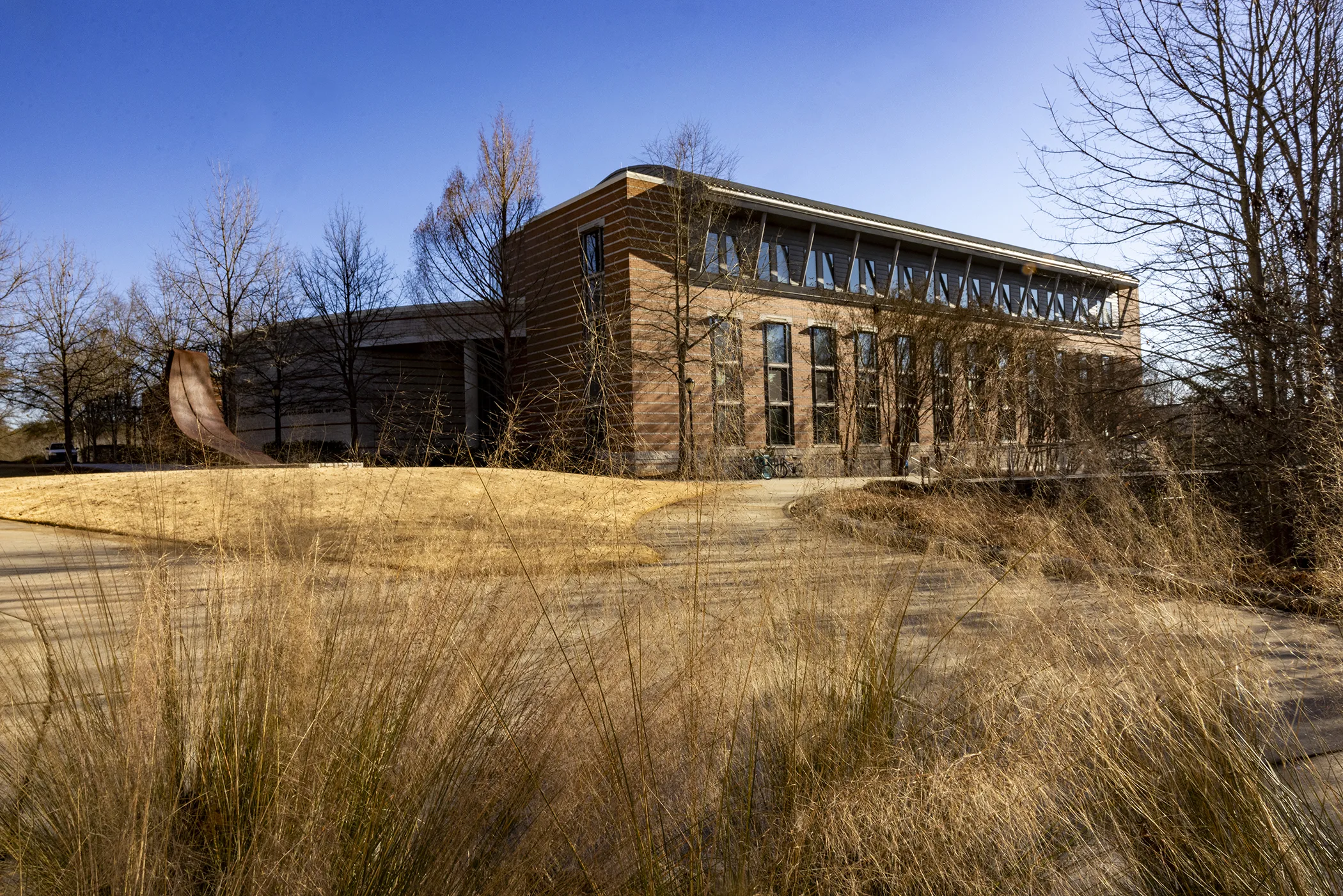
As the music education program coordinator in the Franklin College of Arts and Sciences’ Hugh Hodgson School of Music, Royo oversees the undergraduate, master’s level and doctoral music education programs.
These programs make up a significant part of the school’s student body. The undergraduate music education program comprises about 20% of the school’s undergraduate student population, averaging 100 students.
“These students are dedicated to becoming not only excellent musicians but also skilled educators,” Royo said. “We see them grow from their initial understanding of music teaching from their high school band, orchestra or choral instructors to a deepening awareness of planning, assessment, professionalism, pedagogy and attending to diverse student populations.”
Students who graduate from these programs become certified to teach pre-kindergarten through 12th grade and hit the ground running with strong job placement rates. During their degree program, they learn how to adapt instruction, integrate culturally responsive pedagogy and how to continually engage in professional development.
“They acquire field experience starting in their freshman year,” Royo said. “We’re constantly working in the music education area to refine our curricula and strategize ways to provide a holistic experience to prepare for the job ahead.”
Music education might look different in every classroom, and students must learn to adapt to different modes of instruction and classroom environments.
Part of Royo’s role as program coordinator is creating and providing program resources, tracking student progress and compiling learning outcomes data. UGA’s undergraduate music education program is unique in that it requires 128 hours, which goes above the standard 120 hours. Students take lessons with an applied faculty member, perform recitals and play in ensembles in addition to taking classes in teaching methodologies and lesson planning alongside music and vocal techniques. Students also complete observations and student teaching in local public schools.
One particular area that is experiencing significant growth is the online master’s program in music education. Royo said the program is designed for those working full time in the teaching profession, so most of the coursework is offered in the summer with fewer classes in the fall and spring. Royo advises all students in this program, guiding them through the steps toward their degree.
As the undergraduate and graduate music education program continues to thrive, Royo is dedicated to her role as a program coordinator and voice instructor.
“I’m passionate about teaching vocal instruction, and I’m also passionate about our programs at UGA,” she said.