

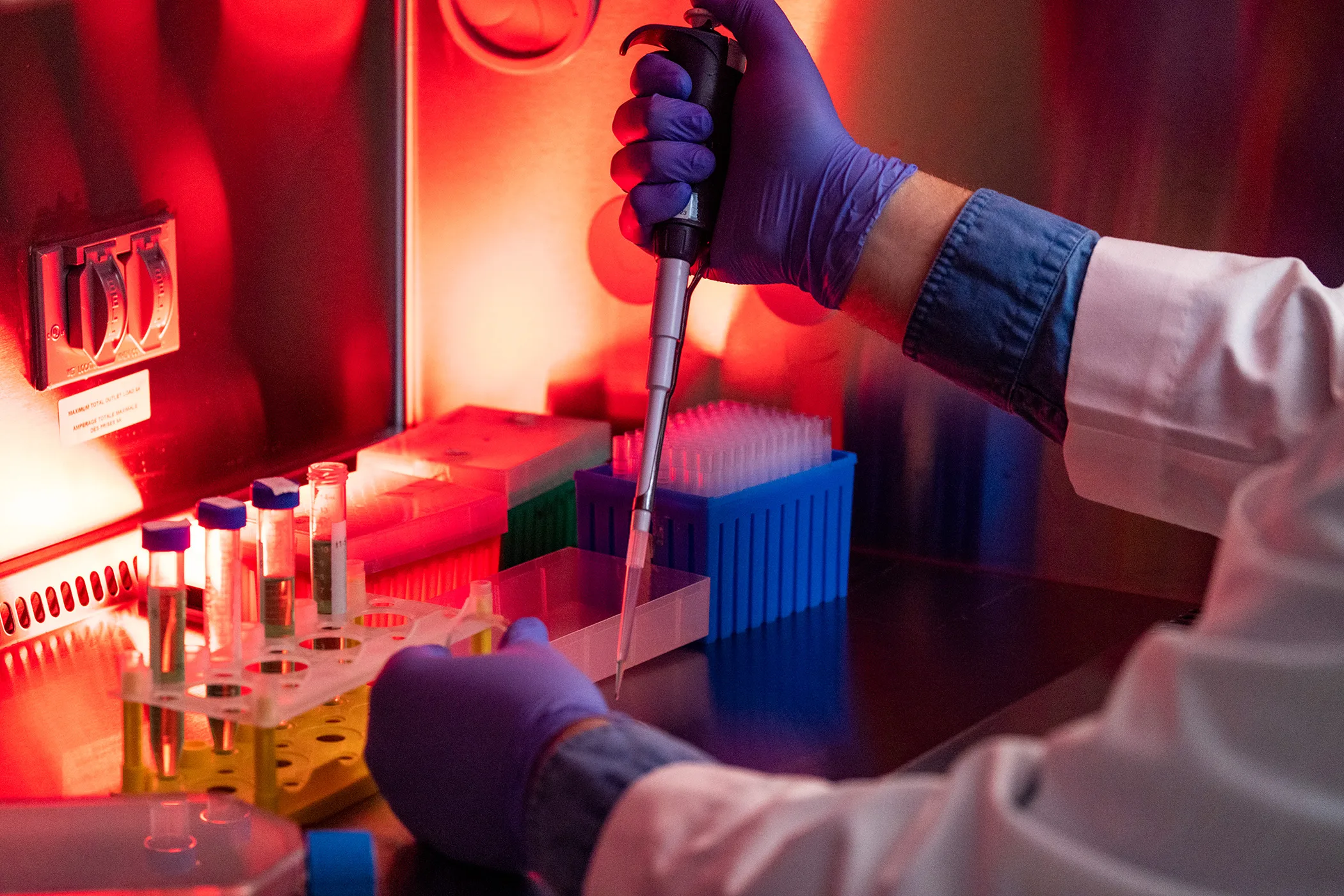
The University of Georgia’s regenerative bioscience major is attracting some of the nation’s top students including Foundation Fellows, student recipients of UGA’s top academic scholarship. As the first undergraduate program of its kind, regenerative bioscience offers a new path in science, innovation and discovery.
Foundation Fellow Diya Garrepally, a second-year Honors student and Stamps Scholar from Marietta studying regenerative bioscience, still recalls her first day in her introduction to regenerative bioscience class.
“I have never felt more excited for a class,” she said. “In that very first lecture, I was finally learning the definitions of these buzzwords I’d always heard — stem cells, tissue engineering, neurodegenerative diseases — and therapies for conditions that had no solutions before.”
Approved in 2021 and offered through the College of Agricultural and Environmental Sciences’ department of animal and dairy science, the new undergraduate degree program provides students with real-world skills in regenerative medicine, biomanufacturing and biomedical imaging and computation.
The program has experienced notable growth since its first class in 2022, with enrollment jumping 248% from the original 31 enrollees to 108 students for the 2024-2025 school year. This fall, 148 undergraduates are enrolled in the program, known on campus as RBIO.
Training future biotech leaders
Of the students majoring in regenerative bioscience, 5% are Foundation Fellows, highlighting the program’s ability to attract and cultivate some of the university’s most talented and motivated scholars.
“Regenerative bioscience opens doors for students who want to go beyond the conventional path,” said Tricia Jonas Hackleman, director of the Foundation Fellowship in the Morehead Honors College. “Seeing them matched with researchers like Steven Stice and watching them thrive in the lab is incredibly rewarding.”
Regenerative bioscience is a hands-on field that merges stem cell biology, neuroscience and engineering to tackle brain injury, stroke and degenerative disease. The program emphasizes translating lab discoveries into clinical treatments and attracts students pursuing medicine, veterinary medicine and advanced research. It also helps fill a critical workforce gap by training students in skills sought by biotech and pharmaceutical companies.
When UGA founded the program as an extension of the Regenerative Bioscience Center, it did so to connect education with discovery. Faculty now lead innovative projects in stem cell therapies and neurorepair, giving students the opportunity to learn by doing.
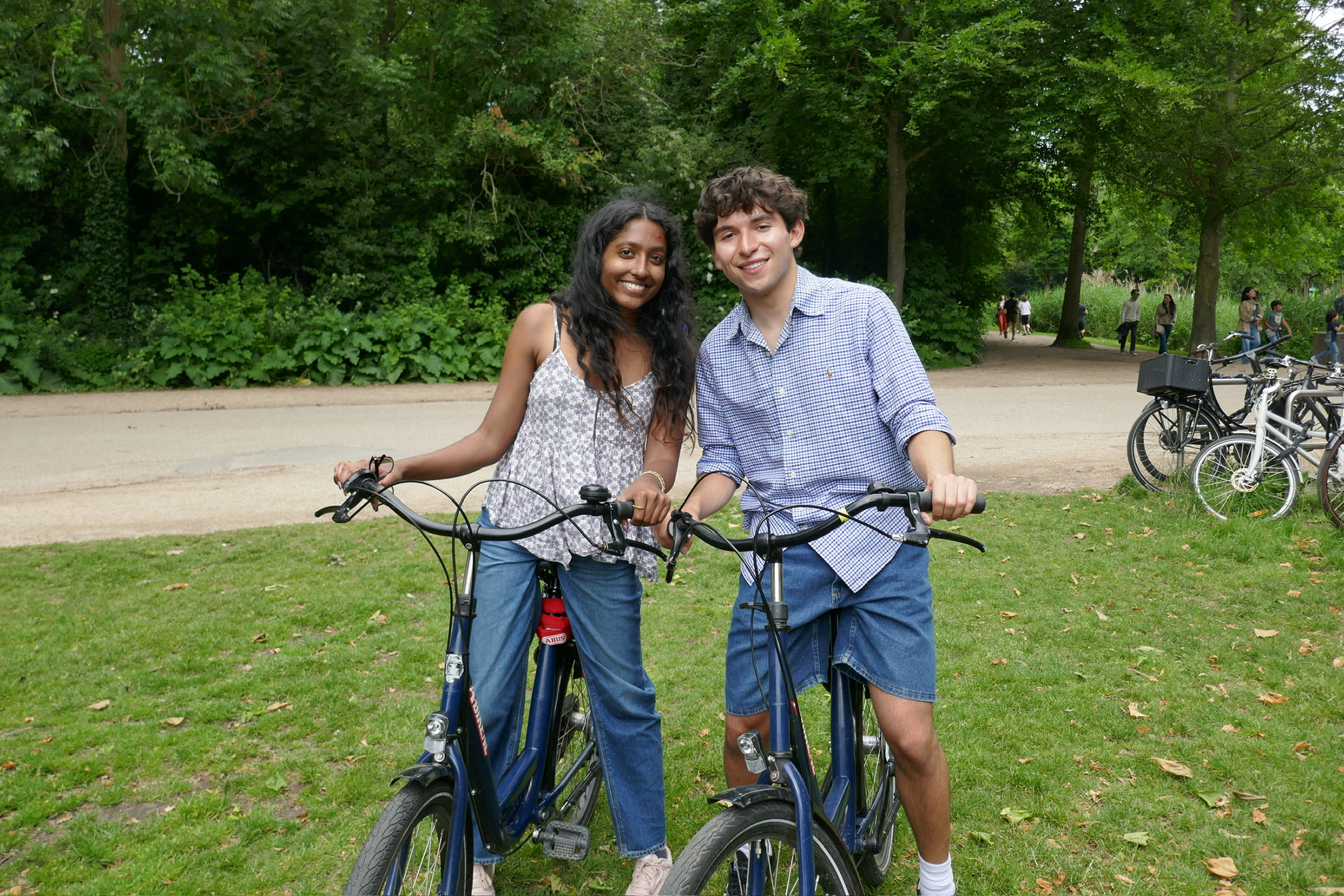
Garrepally is pursuing plant medicine research with Yao Yao, assistant professor of animal and dairy science. She is studying plant-derived nanovesicles, small structures that can be used for cell-to-cell communication and drug delivery, as a potential treatment for Lou Gehrig’s disease. She credits her graduate mentor, Ph.D. candidate Yaochao Zheng, for challenging her to grow as a researcher.
“As a freshman, I never thought I’d be running three-hour protocols by myself,” Garrepally said. “Now I’m heading into the lab for a five-hour block, and it feels normal. Looking back, I’ve grown so much faster than I ever expected.”
Small classes, big opportunities
The curriculum committee — led by professor Franklin West and lecturer Holly Kinder, both in the department of animal and dairy science and the Regenerative Bioscience Center — is credited with the initial design of the nation’s first undergraduate degree in regenerative bioscience.
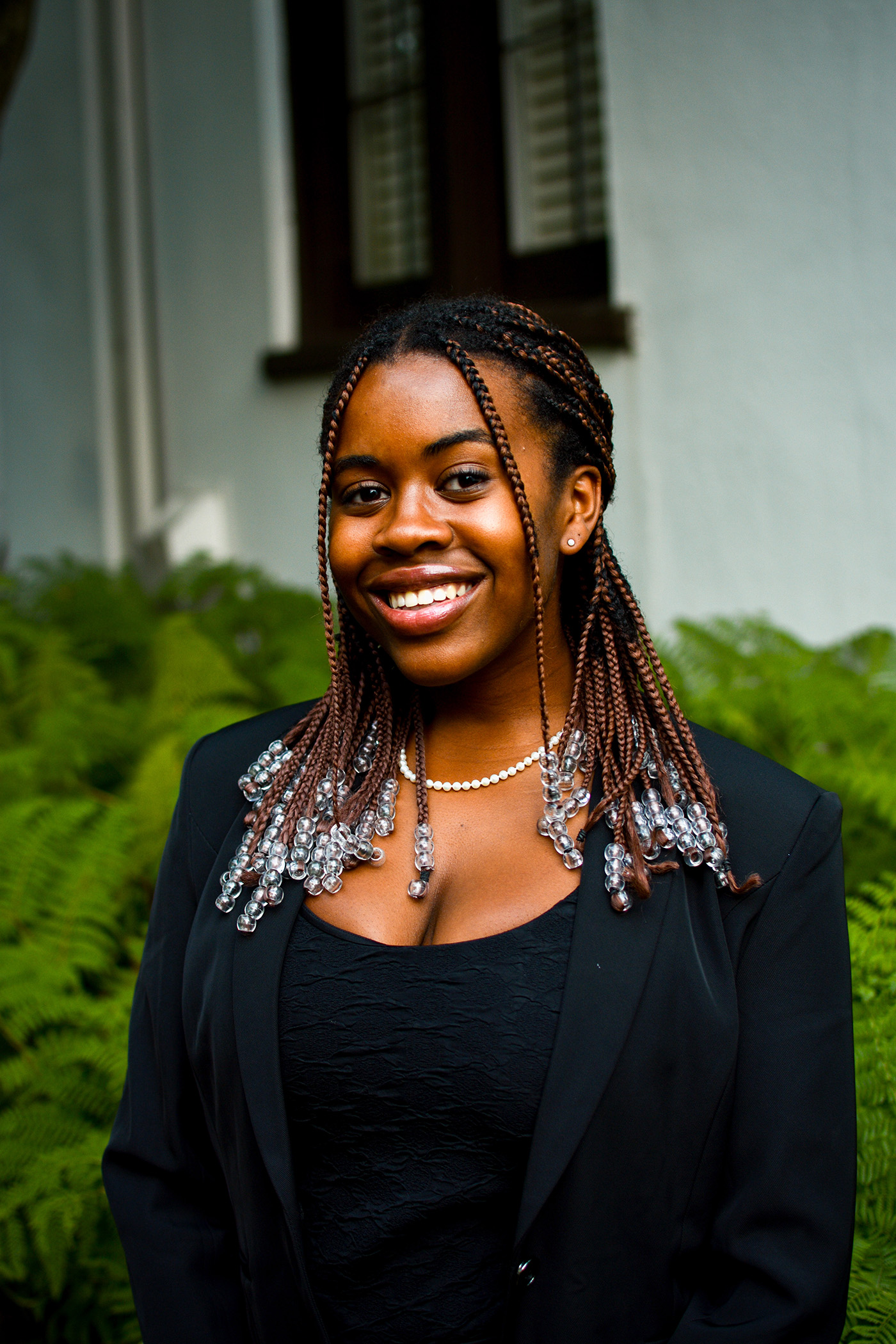
Small classes can make a difference in comprehension and attention, shares Aerica Worrell, a third-year Foundation Fellow, Stamps Scholar and Honors student from Alpharetta studying public health and regenerative bioscience.
“In big lecture halls, there are 300 people, but in regenerative bioscience, I know everyone’s name,” Worrell said. “I can ask questions, stay engaged, and sometimes I can’t believe class is over already.”
Worrell will begin working in the RBC Gomillion Lab studying breast cancer this spring.
“The regenerative bioscience program doesn’t just teach science; it immerses students in it,” said Steven Stice, RBC director, professor and Georgia Research Alliance eminent scholar. “As demand grows in biotechnology and the health sciences, the program is designed to fill a critical gap and gives graduates the skills needed to address the next wave of health challenges.”
Most of the class content is built around current research, described Pablo Ashi, a second-year Foundation Fellow and Honors student from Waxhaw, North Carolina. It’s something he says is “far more valuable than just learning concepts from a textbook.”
Ashi works under the mentorship of Kosuke Funato, assistant professor and member of the Regenerative Bioscience Center.
That same sense of immediacy and relevance resonates with other students as well.
Harshil Joshi is a third-year Foundation Fellow, Stamps Scholar and Honors student from Leesburg studying regenerative bioscience. He is working with Pouria Fattahi, assistant professor of engineering and the newest member of the RBC.
“A lot of majors focus on the current state of science, how things work and why,” Joshi said. “What really stood out to me about regenerative bioscience is that, yes, we learn that foundation, but we also take classes that focus on the newest discoveries, emerging therapies and innovative methods.”
Connecting coursework to workforce skills
Regenerative bioscience students are learning not only what science can do, but also what it should do. In their second semester, students hear directly from industry leaders about what it takes to move science beyond the bench.
“I’ve always been interested in science and innovation, and business has been part of that journey, too,” Joshi said. “Dr. Stice showed me what’s possible. He went from animal science to leading in regenerative bioscience and running a company moving toward clinical trials.”
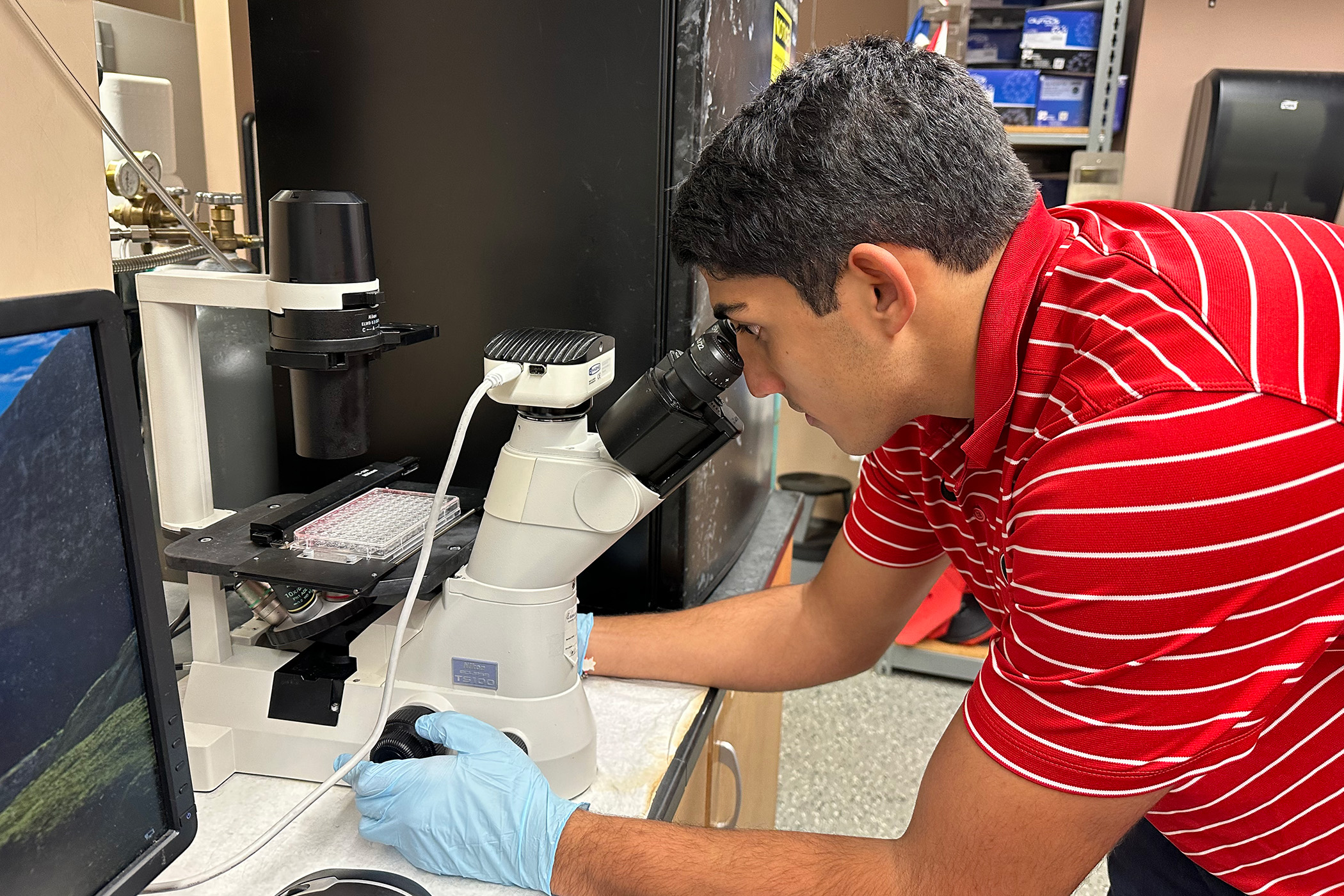
The opportunity to connect classroom learning directly to real-world applications and community service has been a defining feature of the Foundation Fellows’ experience in regenerative bioscience.
For Worrell, the medicine she is learning comes with a responsibility that extends beyond science. It’s about seeing and serving people. “A lot of these issues didn’t just appear,” she said. “They’re longstanding, layered and deeply tied to how different groups view medicine and doctors.”
Each year, the Regenerative Bioscience Center hosts an open house for local high school students, teachers and counselors to interact with current regenerative bioscience students and faculty.
“UGA isn’t just a school,” Worrell told the high schoolers at last year’s event. “It’s a place to stay curious, make connections and grow every day.”