Athens, Ga. – A recent University of Georgia survey of state food hubs found that Georgia is busy—through small groups of farmers—providing the large amounts of local produce needed to grow local markets.
Small-scale farmers can sell directly to consumers, but a growing number find they have too much produce for a farmers market or a community supported agriculture system but not enough to meet the needs of restaurants, schools or grocery stores. That’s the purpose of a food hub—to pull these small and medium size farms together so they can pool their products to fill large orders.
The survey, which was completed this summer, is the first step in a Georgia Sustainable Agriculture Consortium plan, led by UGA Cooperative Extension, to support the development of new food hubs. It found that farmers and entrepreneurs across the state—whether they called themselves food hubs or not—are already coming up with partnerships to help meet the consumer’s demand for local produce.
“Agriculture is Georgia’s No. 1 industry,” said Julia Gaskin, a sustainable agriculture coordinator for the UGA College of Agricultural and Environmental Sciences who directed the recent survey. “There is a demand for local food and limited infrastructure for small and mid-size farms to access wholesale markets. Food hubs have the potential to make this link, increase the viability of these farms and create jobs.”
For the purpose of the consortium’s food hub survey, Gaskin and other researchers defined food hubs as organizations that brought together five or more farmers and had a wholesale component.
They found eight of these organizations in Georgia: Seven are private businesses and one is a farmers’ cooperative.
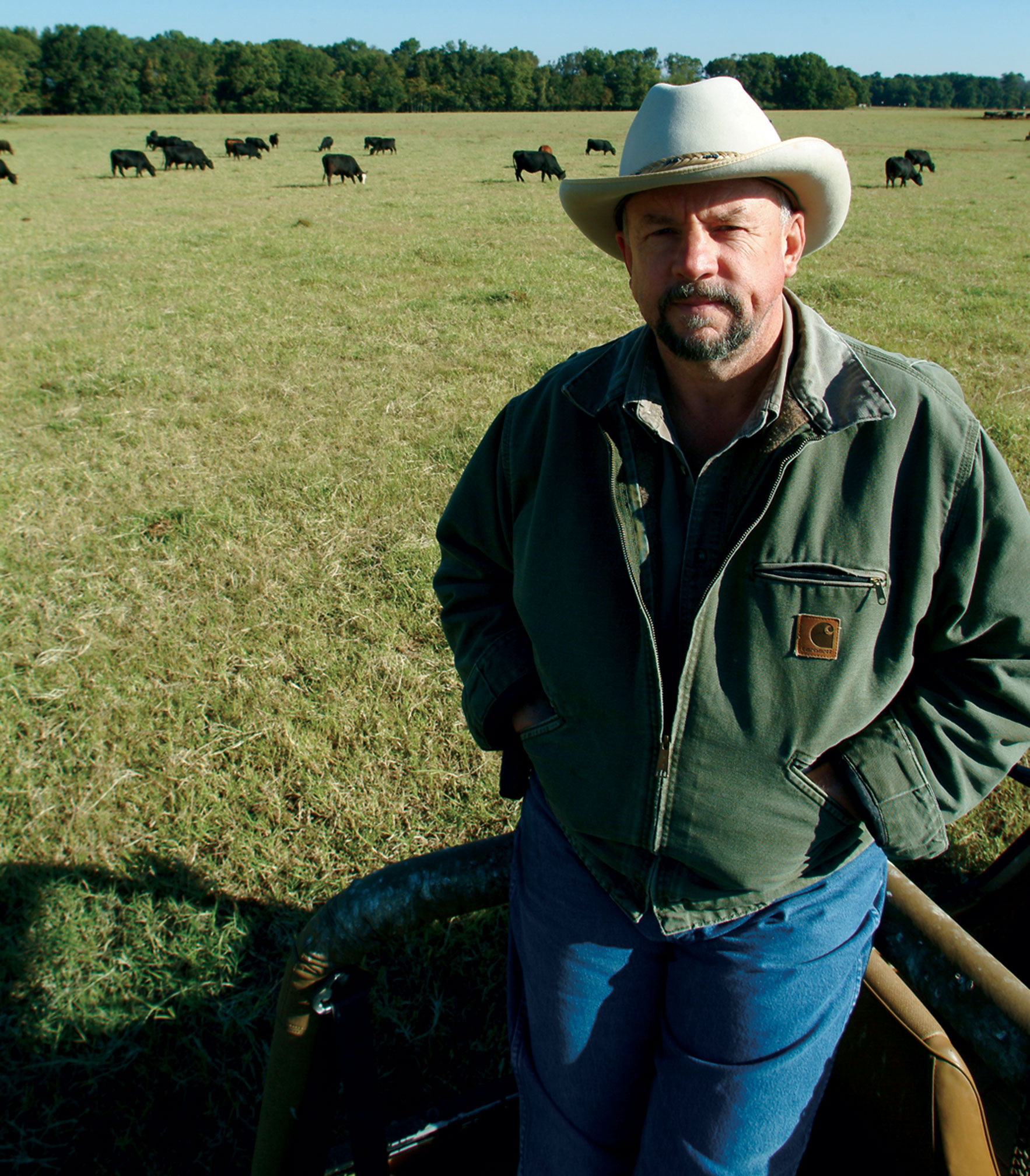
The hubs ranged from a small group of farmers in Glennville, who started growing greens and field peas to supply the needs of local schools, to White Oak Pastures in Bluffton, a beef cattle processing operation that works with a group of local cattle farmers to supply grass-fed beef to Publix and Whole Foods stores in Georgia.
Researchers also found about 24 groups are at some stage of developing some type of food hub organization for their area.
The consortium’s next step is to analyze a survey of farmers’ needs to determine what would help them to develop strong food hub systems similar to the ones that already exist. A report on that data will be available in November.
For more information on the food hub survey, see www.caes.uga.edu/topics/sustainag/gsac/FoodHubStudy.html. For more information on the Georgia Consortium for Sustainable Agriculture, see www.caes.uga.edu/topics/sustainag/gsac/index.html.