

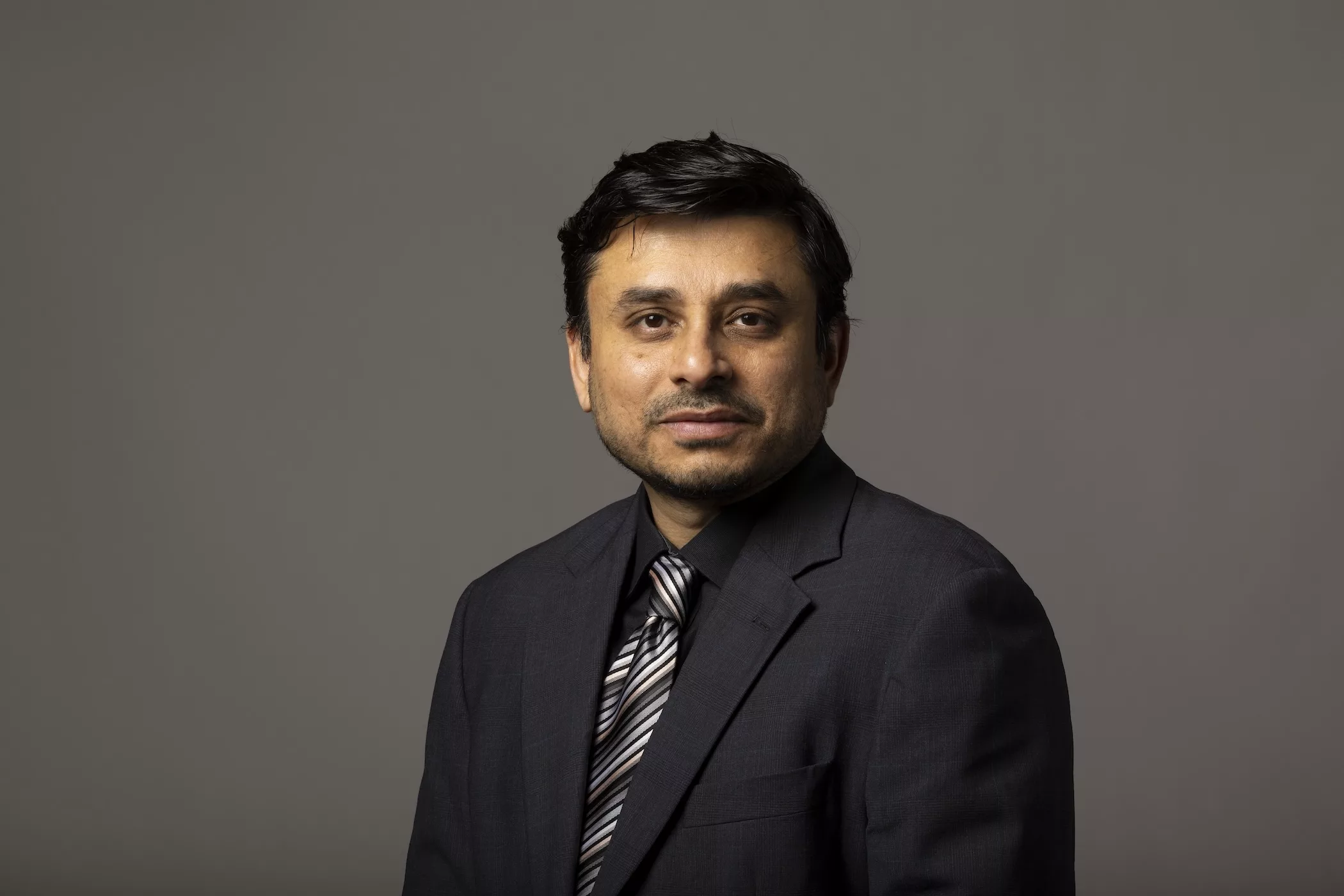
Theresa Rohr-Kirchgraber, professor of medicine in the Augusta University/University of Georgia Medical Partnership, and Shelley Nuss, dean of UGA’s School of Medicine, spoke with Medscape about the changing demographics in medical schools around the country.
For the sixth straight year, more women than men are entering medical school. In the 1980s, according to Rohr-Kirchgraber, women made up about 30% of medical school students. When she herself mentioned medical school, her counselor told her that becoming a physician would keep her from being a mother.
“There was this expectation that you couldn’t do it all or if you would have to choose,” Rohr-Kirchgraber said. “I think that probably dissuaded a lot of women from going to medical school.”
Now, society and many stereotypes have changed. One contributing factor is the increased number of women obtaining undergraduate degrees, leading to a larger pool of women graduates, Rohr-Kirchgraber said.
Cultural norms once emphasized women staying at home and taking care of children while men worked, Nuss added. Today, there is more acceptance of women in the workforce and parents sharing child care duties.
The presence of women physician role models and senior women leaders has also contributed to this change in demographics, Rohr-Kirchgraber said. Organizations such as the American Medical Women’s Association have helped pave the way and support young women in the field.
“Women today can see, ‘Oh, you can be a doctor and have a family. You can be a woman and be a neurosurgeon.’ It’s not so surprising as it used to be,” she said.
While there are more women entering the medical field, there still remain equity gaps to close.
“When you look at the gender inequity and pay, in every single field of medicine except for anesthesia, women are paid less,” Rohr-Kirchgraber said.
Though progress is still to be made, Nuss is optimistic that more women taking on academic leadership roles is on the horizon.
“We’re just now starting to see more women in medicine and working their way up,” she said. “It’s going to take a little longer to get where we need to be, which is more of a balance of leadership at the top in medical schools. I think you will see more associate deans, more department heads and chairs, and more deans over time.”