

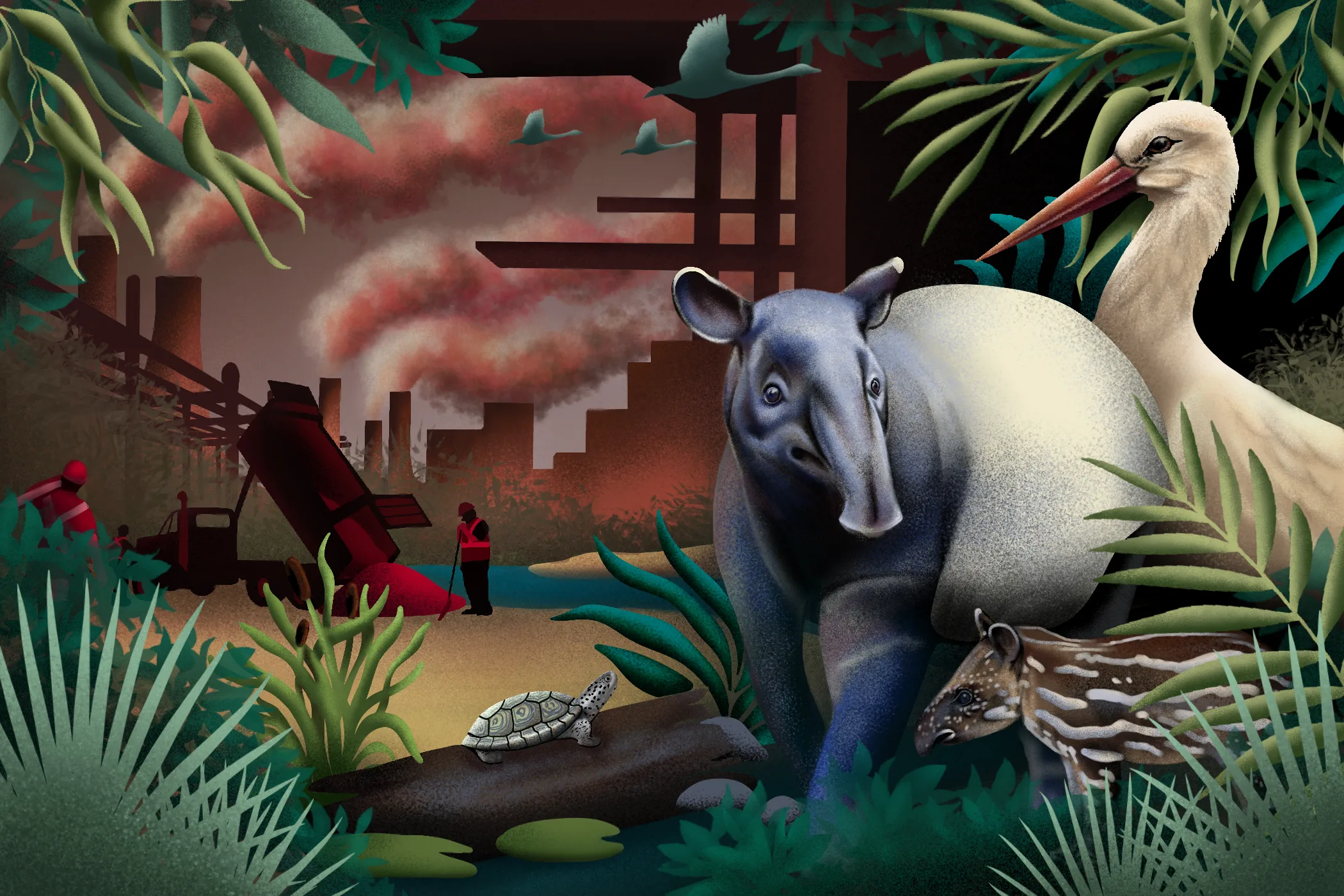
When you hear the term “endangered species,” you might picture a polar bear clinging to a melting block of ice or a tiger roaring from an Instagram post. But the crisis of species extinction is much broader — and much closer to home — than many people realize.
What is an Endangered Species?
An animal species is considered endangered when it faces a high extinction risk in the wild. This means that the species is going extinct at a much faster pace than expected. It is a warning sign for both scientists and other creatures in nature.
According to the International Union for Conservation of Nature and Natural Resources (IUCN), more than 47,000 species worldwide are threatened with extinction. That’s more than one-fourth of all assessed species that the IUCN tracks through the Red List.
These animals are vanishing before we fully understand their role in the ecosystem or even realize they are gone. A stark example is the Indian Vulture Crisis. In the 1990s, there were more than 100 million vultures in India. By the early 2000s, their population had declined by 97%.
But why should we care about fewer vultures? It turns out that the deaths were caused by a drug left in cattle carcasses, the vultures’ main source of sustenance. Without vultures to manage the dead livestock, India’s feral dog population skyrocketed, leading to a rise in rabies. One study estimated that nearly 50,000 people died as a result.
Why do Species Become Endangered?
Endangerment rarely stems from a single cause. It is often the result of overlapping pressures including:
- habitat destruction,
- competing species,
- pollution,
- and disease.
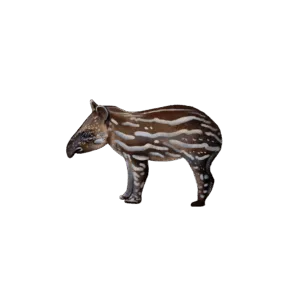
Dr. Sonia Hernandez, a wildlife veterinarian and Josiah Meigs Distinguished Professor at the University of Georgia, says that many of the threats are linked to human activities. These might happen directly, like deforestation or intensive agriculture, or indirectly, such as an invasive (non-native) species hitching a ride on a cargo carrier and competing with native species.
For most of these species, genetic diversity is a deciding factor in whether they survive disasters. Genetic variability dictates how people respond to things like disease or weather extremes, and the same is true for animals.
“If you have a group of animals with diverse genetics,” Hernandez said, “the chance that every individual will get sick and die is much lower than if they are all related and are impacted by the disease in the same way.”
The Risk of Disease in Extinction
Disease plays a major role in driving species toward extinction. This is especially true when dealing with populations already stressed by habitat loss or pollution.
“Except in the case of a new, emergent pathogen, disease is usually the last thing that’s going to cause species extinction,” says Hernandez. “It’s the last domino after they’ve been hit by contaminants or forced into a low-quality habitat or lost their food source to another species.”
Some diseases are endemic, meaning they’ve existed with an animal population for a long period of time. Many even have a useful role to play in preventing overpopulation, keeping dominant species from overrunning an area, and promoting stronger genes. But others are new, introduced pathogens, often brought by humans.
For example, the chytrid fungus spread through amphibians on global trade routes. It infected more than 500 species and is presumed responsible for the extinction of more than 90 of them. In the early 20th century, avian malaria was introduced to Hawaii when human travel brought mosquitoes and the parasite that causes malaria to the islands. The disease drove a major decline in bird populations, especially Hawaiian honeycreepers.
A disease might have little impact on a healthy animal. But coupled with environmental stressors like droughts and pollution, poor nutrition and poor genetic diversity, it can trip an already weakened species into extinction.
The Ancient Tapir Faces Modern Dangers
These overlapping threats are especially dangerous for animals that are being forced into human interaction, like the Baird’s Tapir. The tapir is the largest native mammal in Central and South America and has been around for 20 million years.
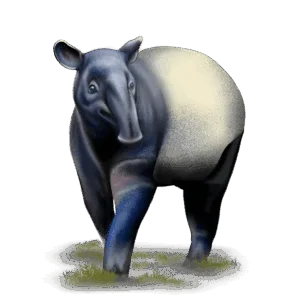
Despite surviving ice ages and prehistoric predators, this ancient animal is facing a new threat. Hernandez has spent more than 30 years studying the tapir. She is worried that as the human population grows, tapirs increasingly encounter roads, livestock and farmland.
“Coming into contact with cattle, horses and people also means coming into contact with the diseases they carry,” said Hernandez. “Tapirs have mostly been in protected areas, so they don’t have any immunity from them.”
Now, tapirs are suffering from infections that are entirely preventable in livestock. One of the biggest drivers of this is habitat loss. As tapirs are pushed out of their homes by growing farms and export industries (like bananas, pineapples, and palm oil) they encounter more of these diseases and even get hit by cars.
Hernandez believes that conservation must involve local people. Efforts to reframe tapirs as a source of ecotourism and seed dispersers are gaining traction. Some farmers allow wildlife tours on their land. Others put non-lethal deterrents in place to keep both the tapirs and their farmland safe.
“Scientists do the research that helps save these animals,” says Hernandez. “But the involvement and passion from people in these communities is just as important to making sure these populations don’t disappear forever.”
Terrapins at a Crossroad
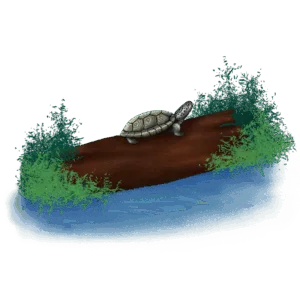
In coastal Georgia, another species faces threats on multiple fronts. The diamondback terrapin, once an abundant part of Georgia’s wildlife, is now in decline. Road mortality, nest predation from raccoons and even accidental capture in crab pots are all very big threats for this tiny marsh turtle.
John Maerz is a wildlife ecologist, Carey Distinguished Professor of Forestry and Natural Resources, and Josiah Meigs Distinguished Teaching Professor at the University of Georgia. He has been studying terrapin populations across the country and working with local communities to slow their decline.
Maerz’s approach isn’t just about research. It’s about practical conservation. His team collaborates with local governments and residents to design turtle-friendly roadways and raise public awareness.
“We can’t just build a giant wall or move the roads,” he said. “It’s going to affect how people interact with transportation. It can be expensive and create safety problems. We have to think about solutions that make sense economically, aesthetically and practically.”
Terrapins often enter crab pots during low tide and the returning tide traps them. This results in bycatch, the accidental capture of an animal. Unable to reach the surface for air, they can drown within hours.
At first glance, the loss of one animal population may seem like it doesn’t affect us, but the impact ripples outward in ways we may not expect.
“Animal and plant populations depend on their connectedness to other populations,” says Maerz. “Every time we lose a population of a species that diminishes the resilience of other populations, creating a wider extinction debt.”
Why Should We Care About Endangered Animals?
Every animal, including the terrapin, is a necessary part of the ecosystem, Maerz said. Frogs help control insect populations, including disease-carrying mosquitoes. Elephants are so large that they reshape landscapes to create habitats for smaller species. Bats disperse seeds from fruit to support forest regeneration and plant diversity.
“A lot of people don’t like bats or insects, but about 85% of the food you eat needs pollination,” said Maerz. “If you have to pay for an apple that was hand pollinated by a human with a paintbrush, that will be a very expensive apple.”
The first step toward better conservation efforts is simply being aware of how connected we are to the world around us. The second? Ask the right questions.
“When it comes to managing animal populations, we need to be curious,” said Maerz. “Ask yourself, ‘What is that thing? What does it do? Why am I seeing less of them?’ Some of the most important animal knowledge we have today is because someone was curious.”
Every county in Georgia has an Extension agent ready to answer those questions. Many states have similar outreach programs because we considered wildlife as a public asset. As required by law, both the state Department of Natural Resources and the federal government manage those resources including restoring habitats, restoring fisheries, and protecting endangered species.
“You and I own all the wildlife in this country, and so does every other American and taxpayer,” said Maerz. “When I work on a frog, that’s your frog. It’s our responsibility to steward these animals and keep the ecosystem functioning in a way that supports wild species and human needs.”
By paying attention to what’s missing, what’s new and what’s interesting, we can each play a role in ensuring that these species don’t just exist in textbooks and documentaries but remain in the world around us.