

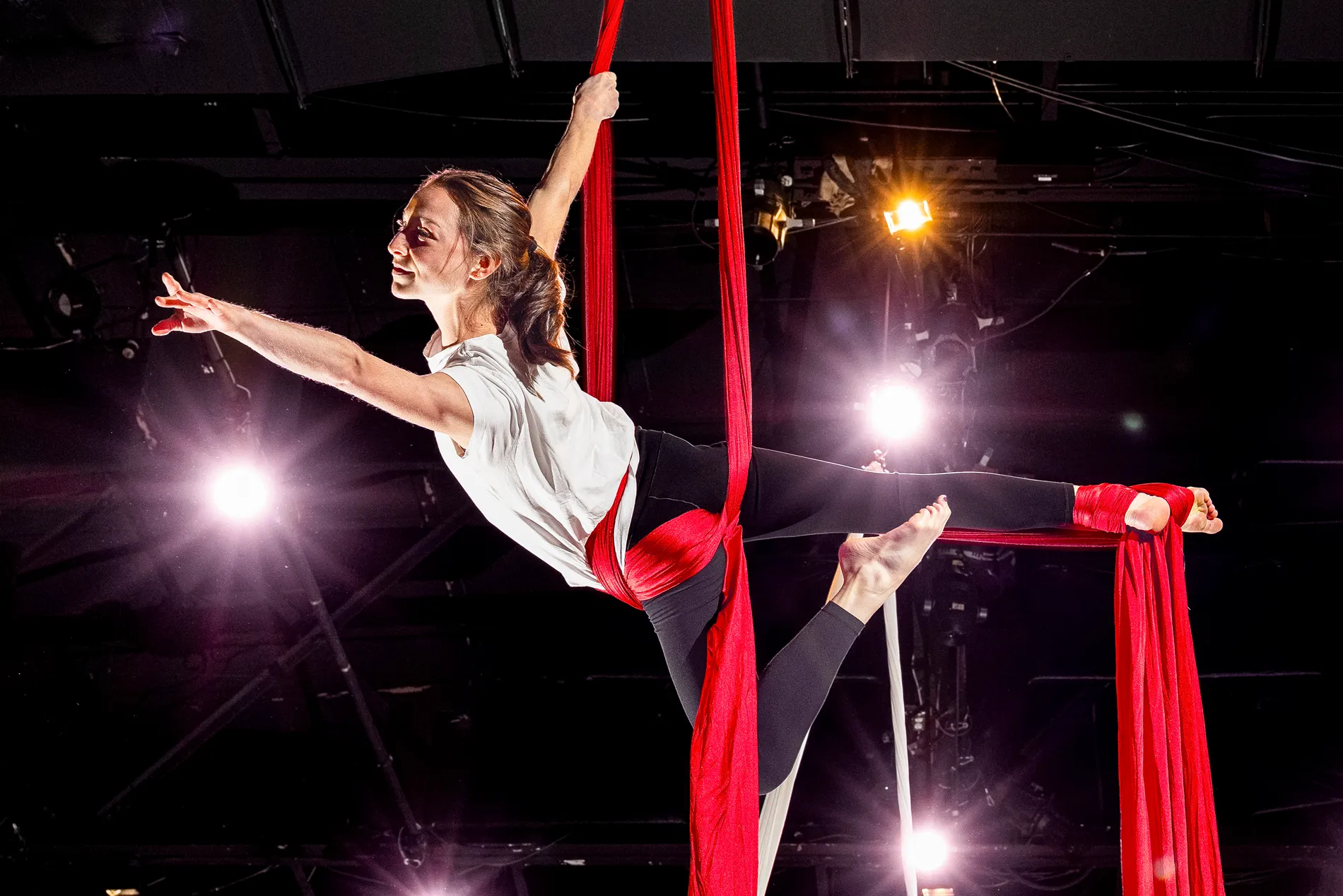
Onstage, there is nowhere to hide.
Dancers, and dance professors, accept this. They thrive on it. They love to perform. A wave of a dancer’s hand can say more than someone else’s 30-minute speech.
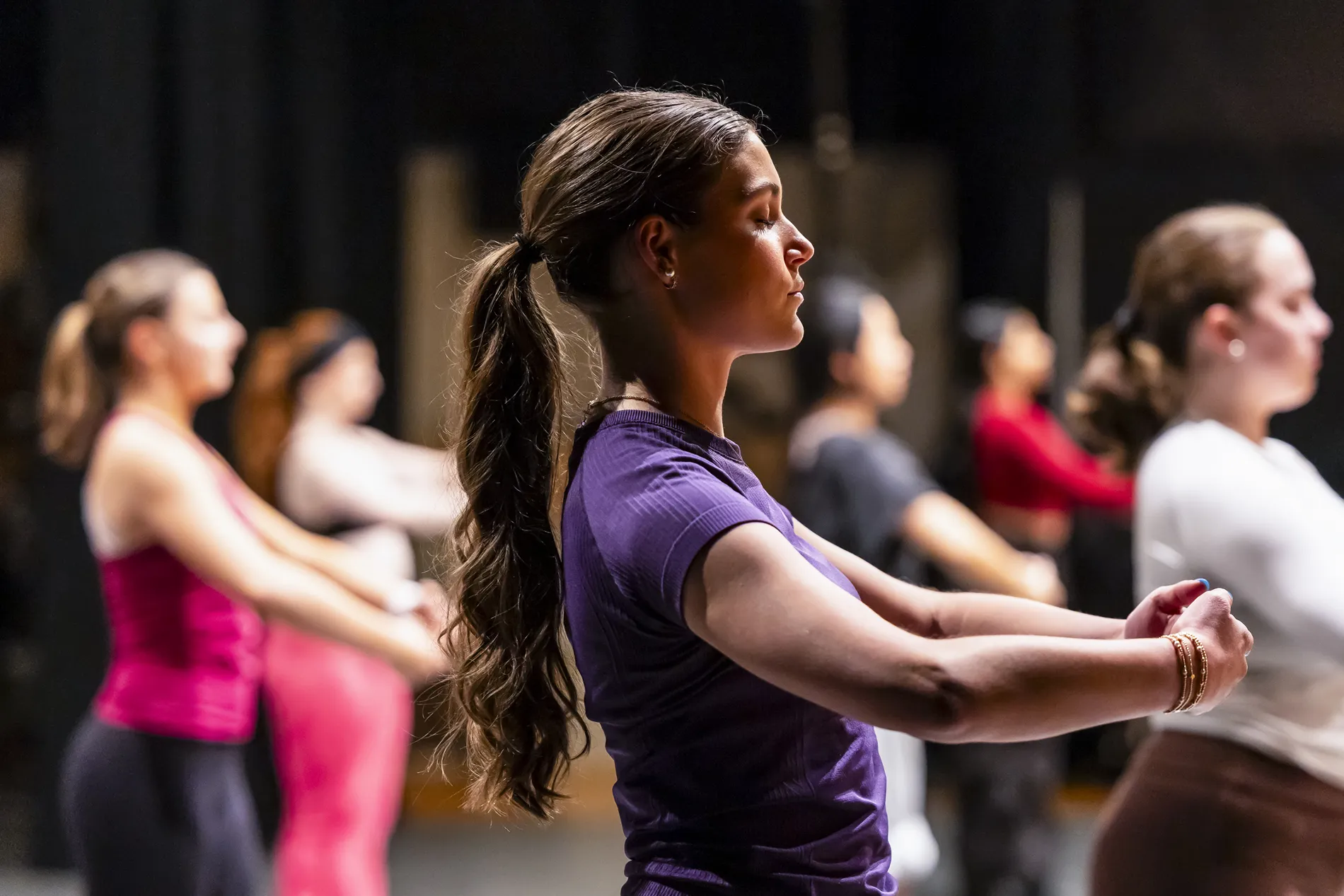
But performance is just one aspect of the Department of Dance experience. UGA faculty describe dance in broader, more ambitious terms. It is a body of knowledge. And a discipline. And a field of study. Students may not have that perspective at the start, but over time they embrace it wholly.
They also embrace the breadth of a University of Georgia education. Most of the students studying dance are double majors. Their interests spread to engineering, law, business, and so much more. Their calendars are full, but they embrace that, too.
While many academic departments might be possessive of their students, the dance department takes the opposite view. The pairing of dance with other academic disciplines is actively encouraged.
Faculty call it “Dancing Beyond Boundaries.”
Opening Moves
“Dance is not as inaccessible as people might think,” says associate professor Rebecca Gose, chair of the Department of Dance in the Franklin College of Arts and Sciences since 2024.
At its core, dance is storytelling, expressing oneself through movement. Its origins are universal. Think of a baby windmilling his arms to get his mom’s attention. Or reaching up to grab his mobile.
“Moving the body is one of the original urges of humans,” Gose says. “We all move to communicate. We move functionally and expressively.”
And for dancers, that desire to express themselves through movement is a feeling that drives them every moment. But in today’s busy world, finding time to dance at a high level is not easy for students.
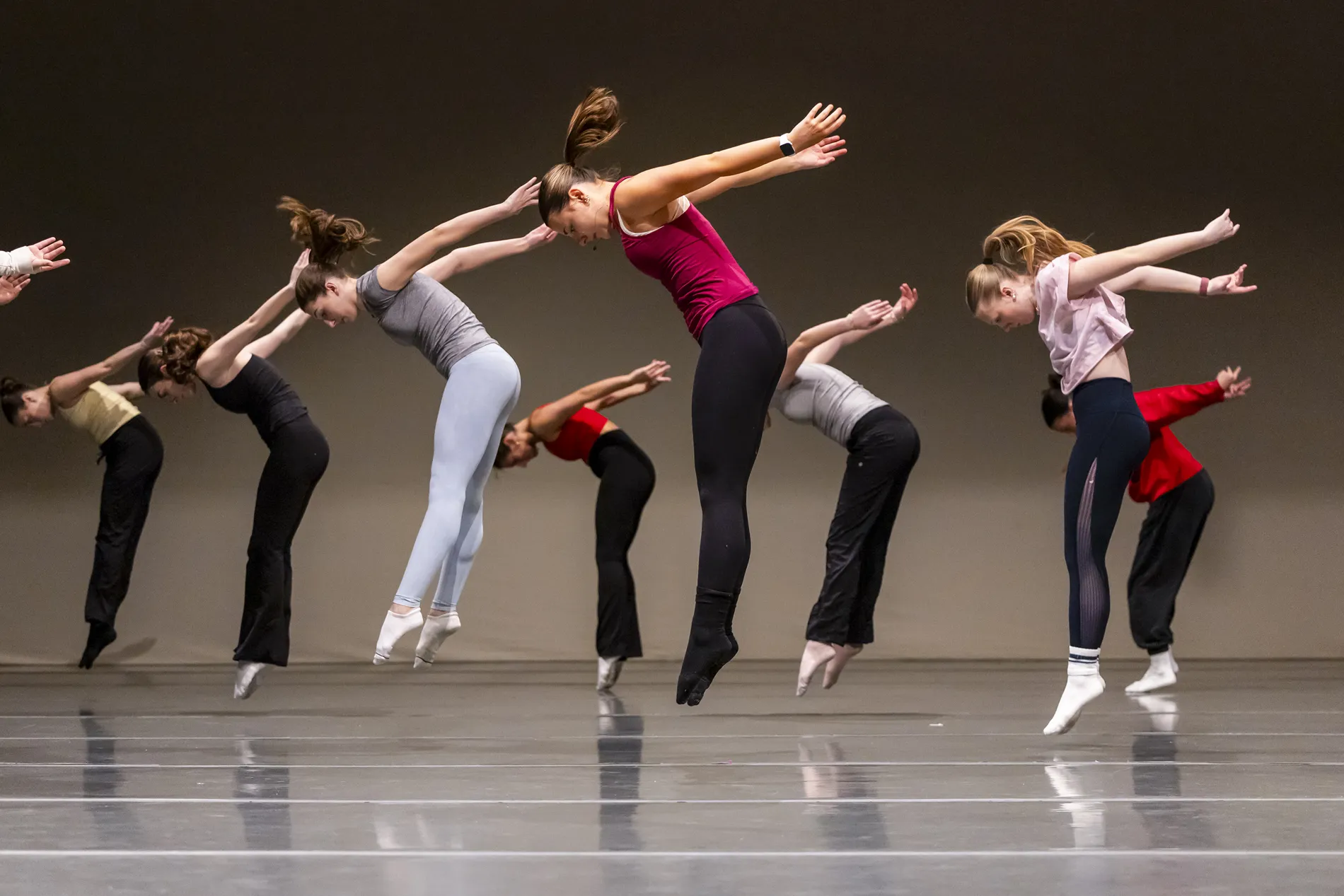
“Moving the body is one of the original urges of humans. We all move to communicate. We move functionally and expressively.”
– REBECCA GOSE, ASSOCIATE PROFESSOR AND DEPARTMENT CHAIR
“Students’ bodies and minds are engaged in so many different disciplines,” Gose says. “Most of them have danced nearly all their lives, but they have had to keep that separate from their academics.”
That’s because, compared to other arts disciplines, fewer K-12 schools offer dance as part of their academic curriculum. School during the day, dance at night and on the weekends.
When Gose stepped in as chair, she had been on the UGA faculty for more than 20 years. She knew where the department had been; she also knew where she wanted it to go.
She started conversations with her fellow dance faculty. They wanted to meet their busy, academically and artistically skilled students where they were. Many wanted to double major or pursue dance as a minor or maybe just seek a certificate. Faculty capitalized on this trend and streamlined the curriculum so students could more easily broaden their studies and not be constrained by traditional thinking.
Gose and the department’s five other full-time faculty members also wanted to develop some language they could use as a rallying cry. Something that would transcend the artificial walls that keep our interests separate.
And from that, Dancing Beyond Boundaries was born.
The Student Experience
When thinking about college, Katerina Lazos did not have a dream school. What she did have was ambition. And lots of energy.
She wanted to find a place where she could do all the things she wanted to do. She wanted to have multiple majors. She wanted to be a lawyer. And she wanted to dance, which she’d done since she was 2.
As a high school senior, the Chicago native couldn’t travel to Athens to audition in person, so she performed on Zoom. The distance didn’t matter.
“When I discovered I could do the dance major, the public relations major, and the business minor while still being pre-law, I knew I had to come here. It wasn’t something that was remotely possible anywhere else,” says Lazos, now a third-year following that exact academic path.
Lazos’ UGA experience is not out of the ordinary. Fewer than 100 universities in the U.S. offer bachelor’s degrees in dance. Fewer still allow the double major with dance as one of the options. Many students like Lazos come to UGA specifically so they can attend an elite institution without sacrificing their passion.
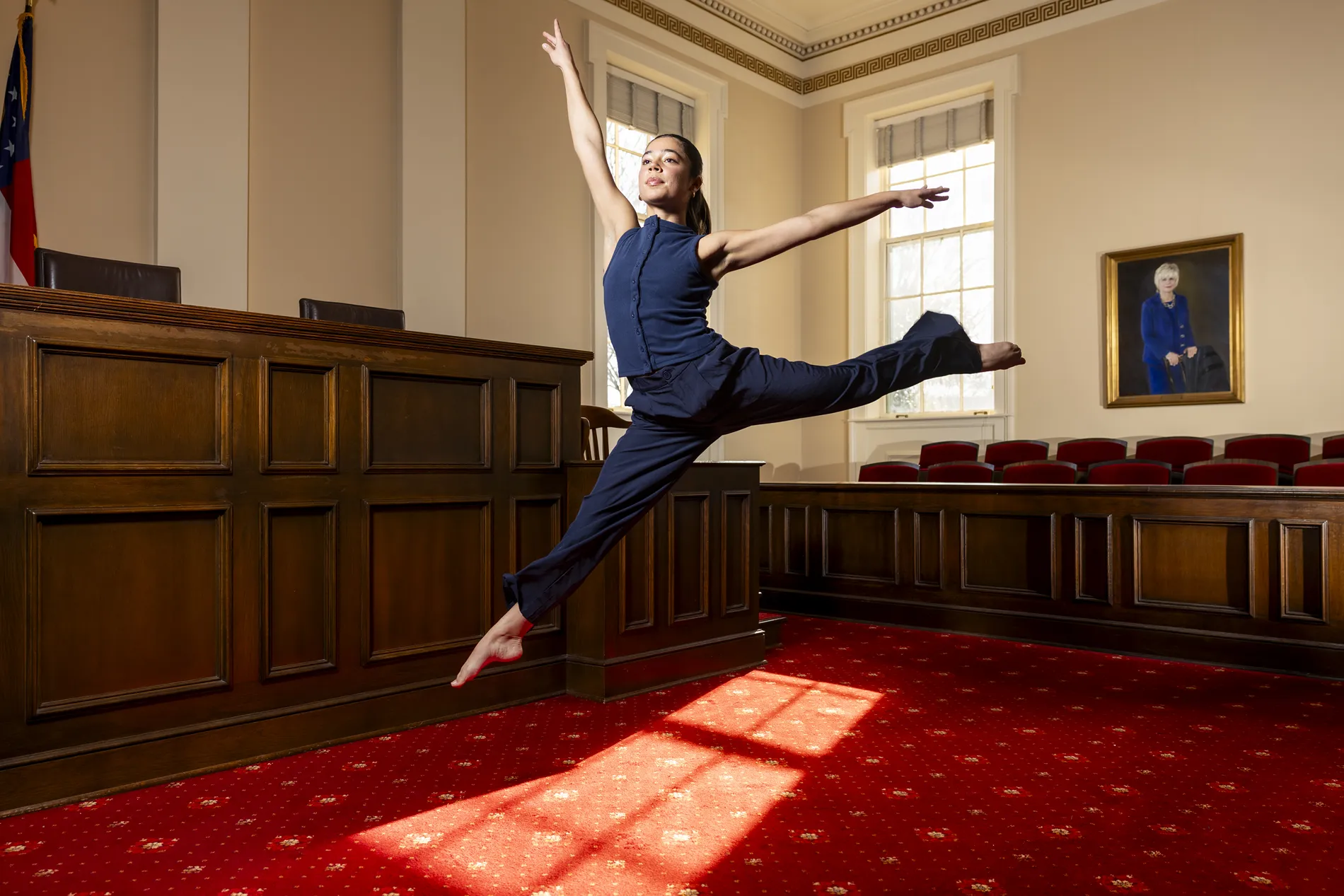
“I want to be an entertainment lawyer. I want to be a voice for artists, and the best way to be a professional in the creative world is to be creative yourself.”
– KATERINA LAZOS, THIRD YEAR, DANCE AND PUBLIC RELATIONS, PRE-LAW TRACK
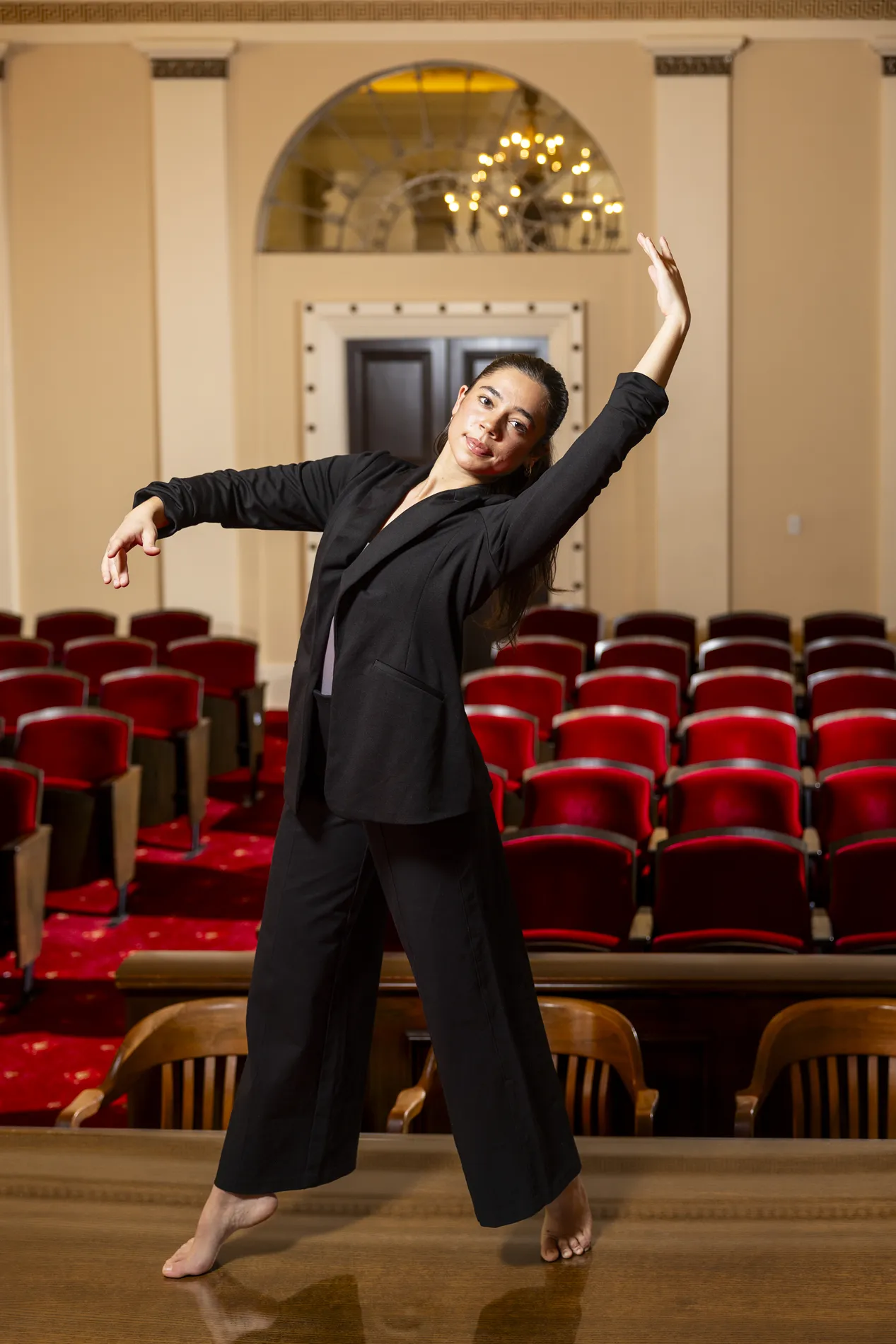
To feed that passion, students have a lot of choices.
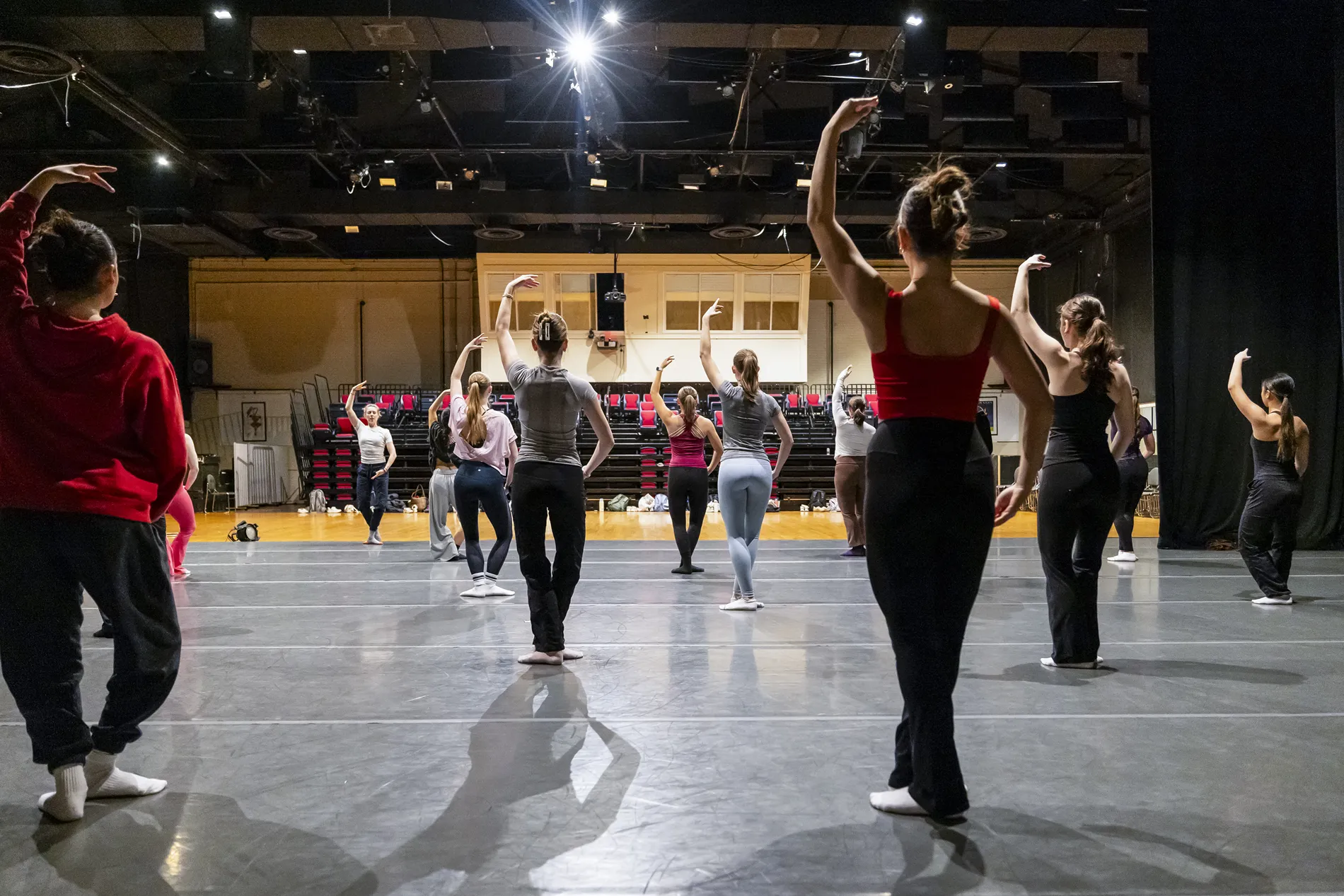
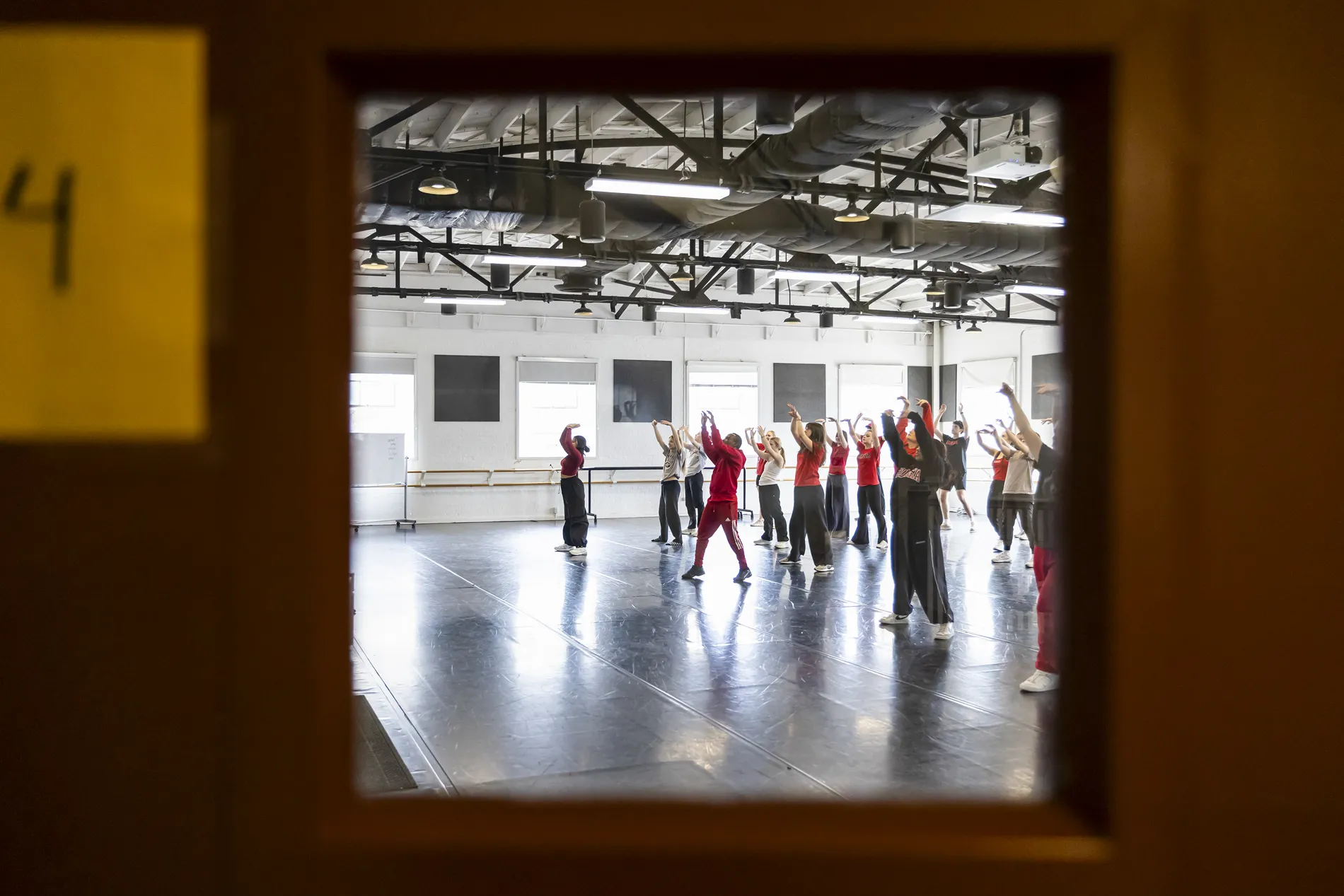
The UGA Dance Company is an audition-based group of dance majors and minors that performs works choreographed by faculty or guest artists. The Student Dance Concert Series features work choreographed, stage-managed, and even promoted by dance students themselves. Dance majors must choreograph an original routine as part of their degree program.
Other major- and minor-only opportunities include the Dance Repertory Project, which partners student-dancers with professional companies or dance specific styles, and SANKOFA, an annual faculty-directed celebration of dance and community that takes place each February. Non-majors (as well as a lot of majors, too) can also dance with the Ballroom Performance Group, which is audition based but also a social activity.


“I love choreography. That, in a way, is like engineering. You have to think of all these different aspects of a dance and put them together in a way that is artistic.”
– MEGAN FITZGERALD, THIRD YEAR, DANCE AND ENVIRONMENTAL ENGINEERING
The experience doesn’t stop when the dancers leave the stage. The classroom experience includes in-depth exploration of dance history and its cultural contexts.
For the students who want to open their own studio or just stay active on their own time, they learn how to teach dance to others. UGA is the only University System of Georgia school to offer preschool-12th grade certification in dance.
“There are so many different sides of dance that I wouldn’t have been able to dig deeper into if I hadn’t majored in it here,” says Calista Honick, a fourth-year dance and marketing double major. Her next step is pursuing an MBA at the University of Central Florida with the goal of opening her own dance studio.

“The end goal for me is to open my own dance studio. I grew up doing competitive dance and wanted to major in it as well as something else, like marketing, that would help me open my own business.”
– CALISTA HONICK, FOURTH YEAR, DANCE AND MARKETING
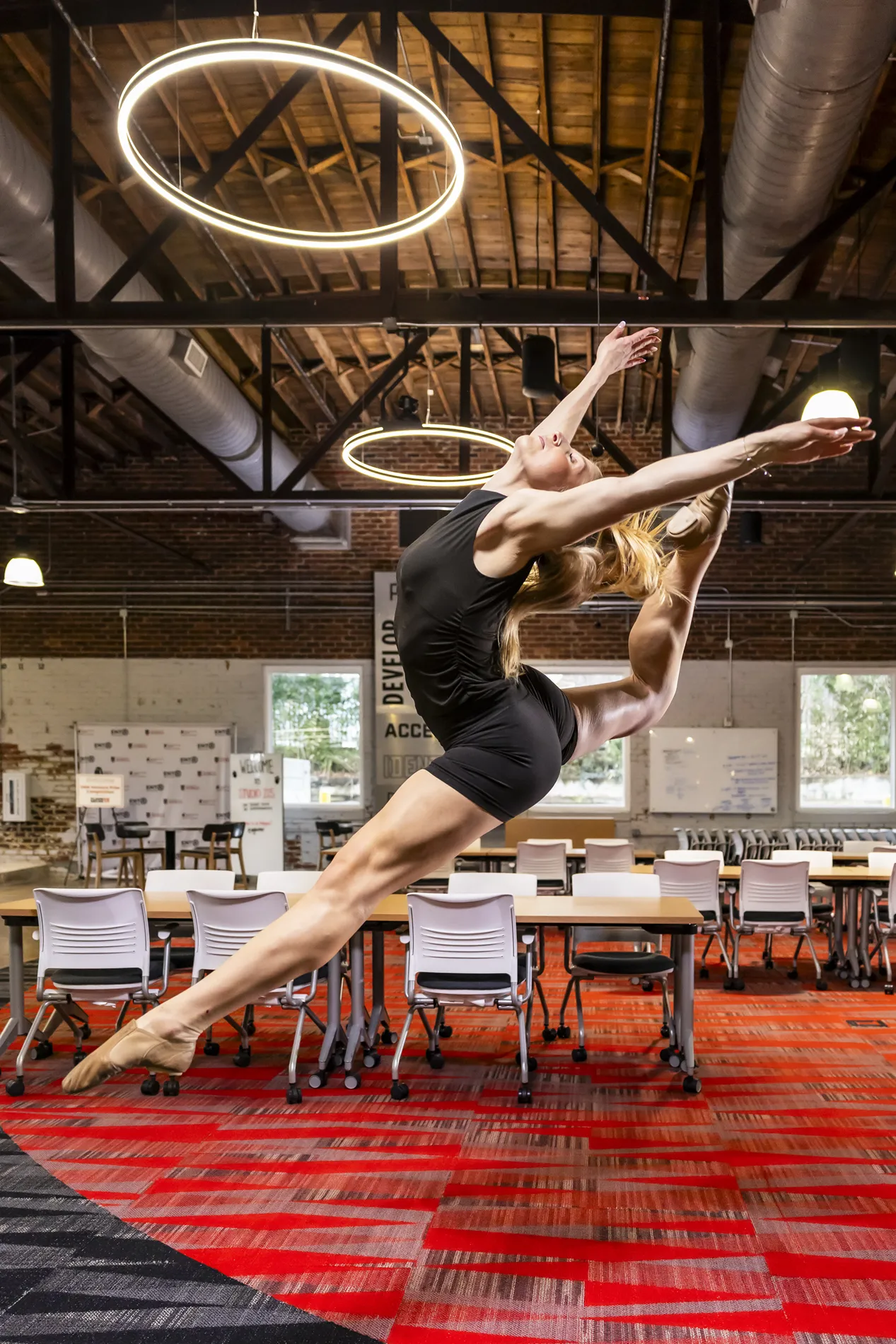
Faculty Leaders
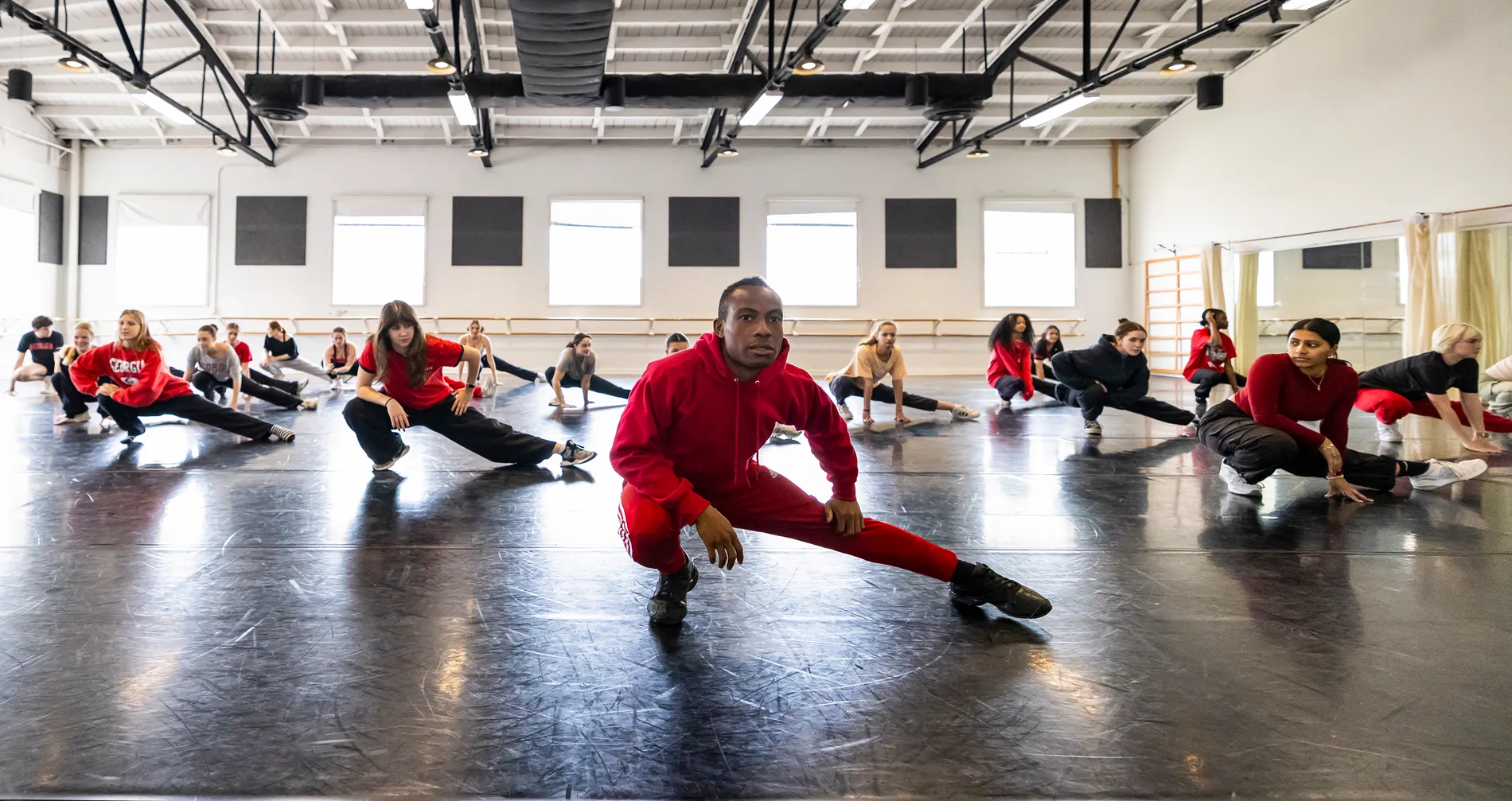
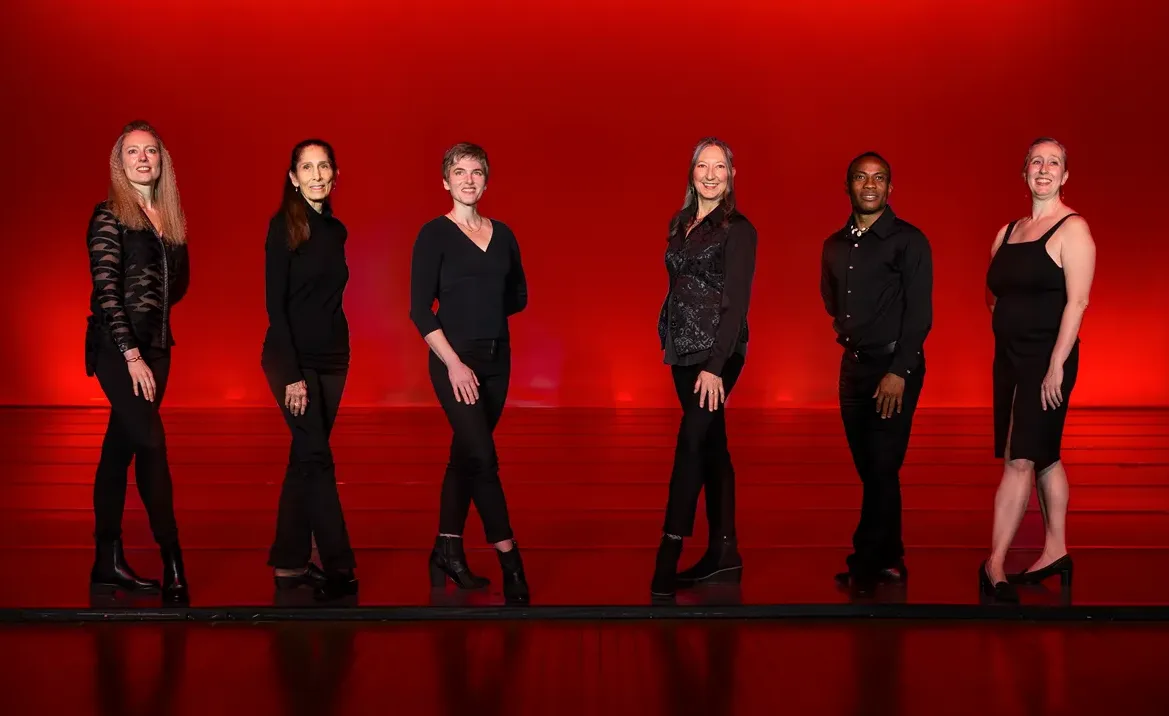
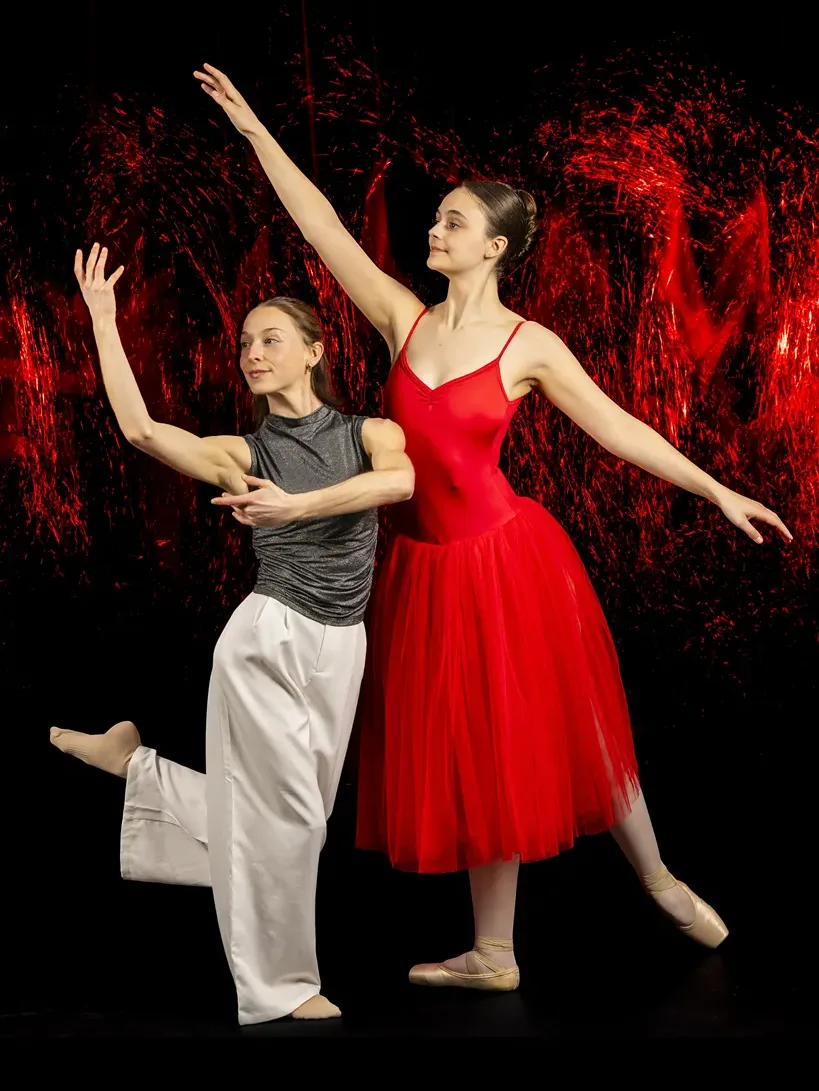
UGA is distinct in that dance faculty are experts in a wide variety of genres: contemporary modern, ballet, West African, hip-hop, jazz, and aerial arts, just to name a few.

“Dance is probably a lesser known, lesser understood art form,” says Rebecca Gose, who embodies the department’s identity as moving beyond boundaries. As an undergraduate, she majored in education at West Virginia University and minored in dance. She joined a touring dance company immediately out of school and after a decade returned to school for her MFA in dance. She’s taught at the college level ever since.

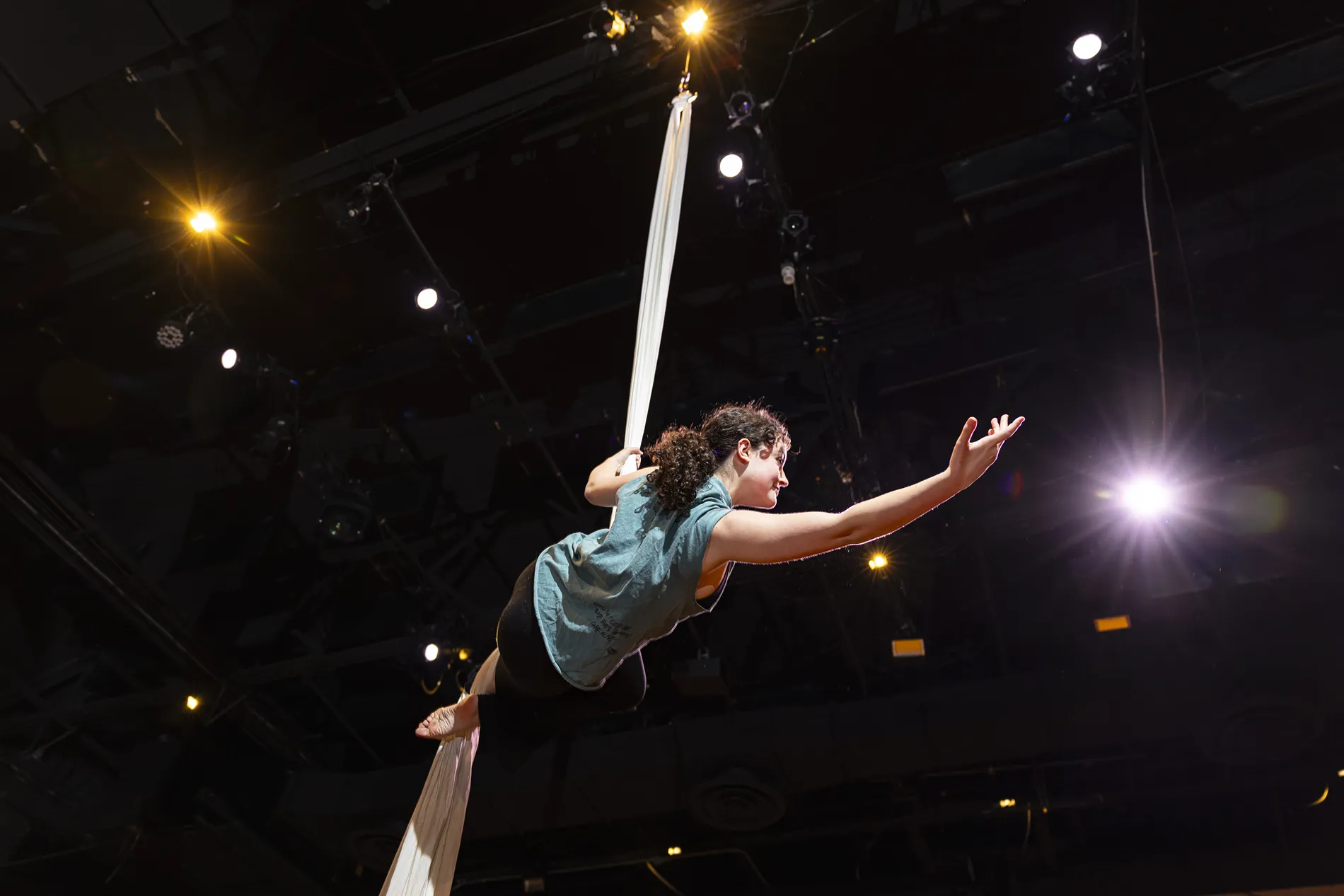
Assistant professor and political science grad Elizabeth Stich AB ’03 minored in dance at UGA, where she was introduced to aerial arts. When she came back to teach in 2022, she was tasked with developing coursework and a curriculum to support the discipline. She co-wrote a book, Aerial Arts and Dance Improvisation: A Practical Guide to Creativity for Aerialists, that was released in December.

Senior lecturer Barbara Powers spent more than a decade on stage, most notably as a Radio City Rockette. When she turned to teaching, one of her main interests became dancer wellness and mental health. She and Gose co-founded UGA’s Art of Wellness Living Learning Community, which accepts 24 students a year and is open to any arts major or minor on campus.
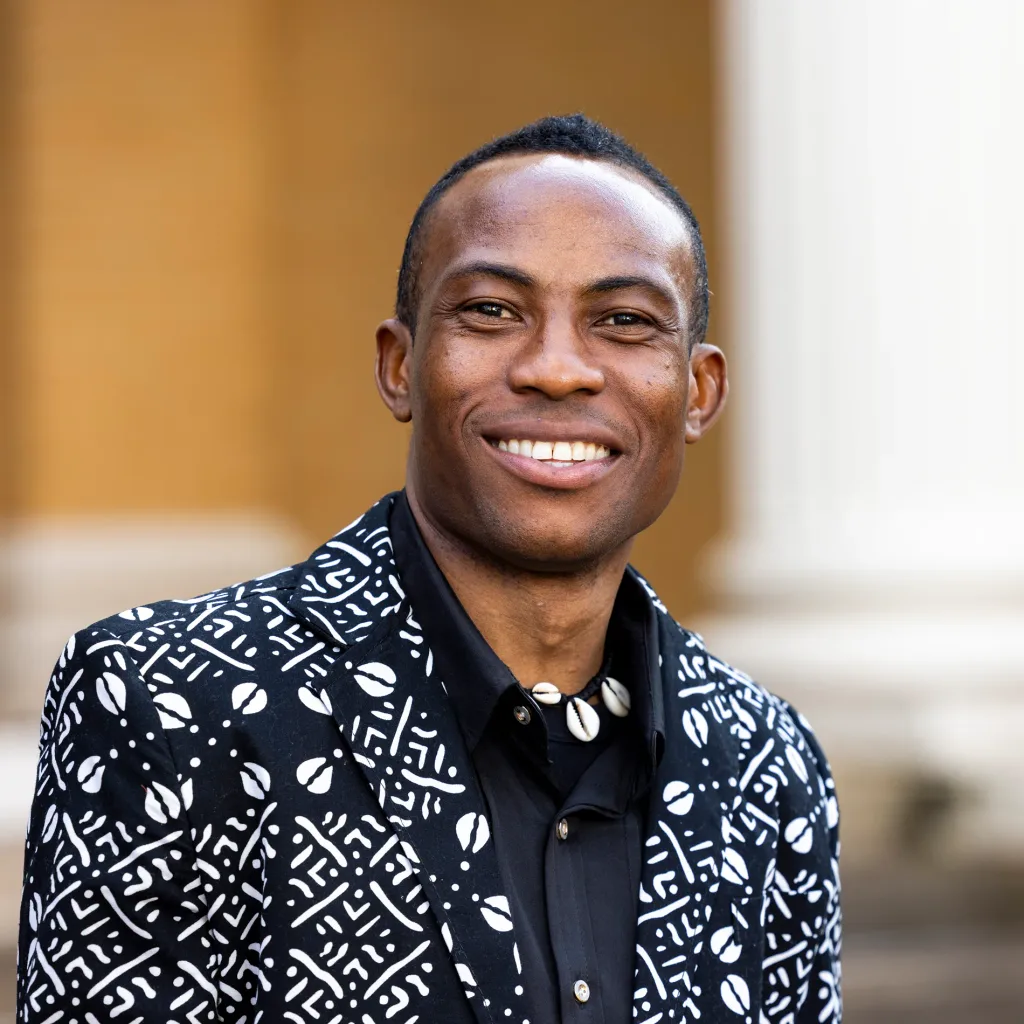
Lecturer Jason Aryeh mixes teaching, research, and performance in West African dance and hip-hop, among others, and leads the department’s study away program to his native Ghana. Like Powers, Aryeh also makes time for mental health conversations with dance students. “We talk about time balance and how to approach new things. It’s part of the class discussion,” he says.
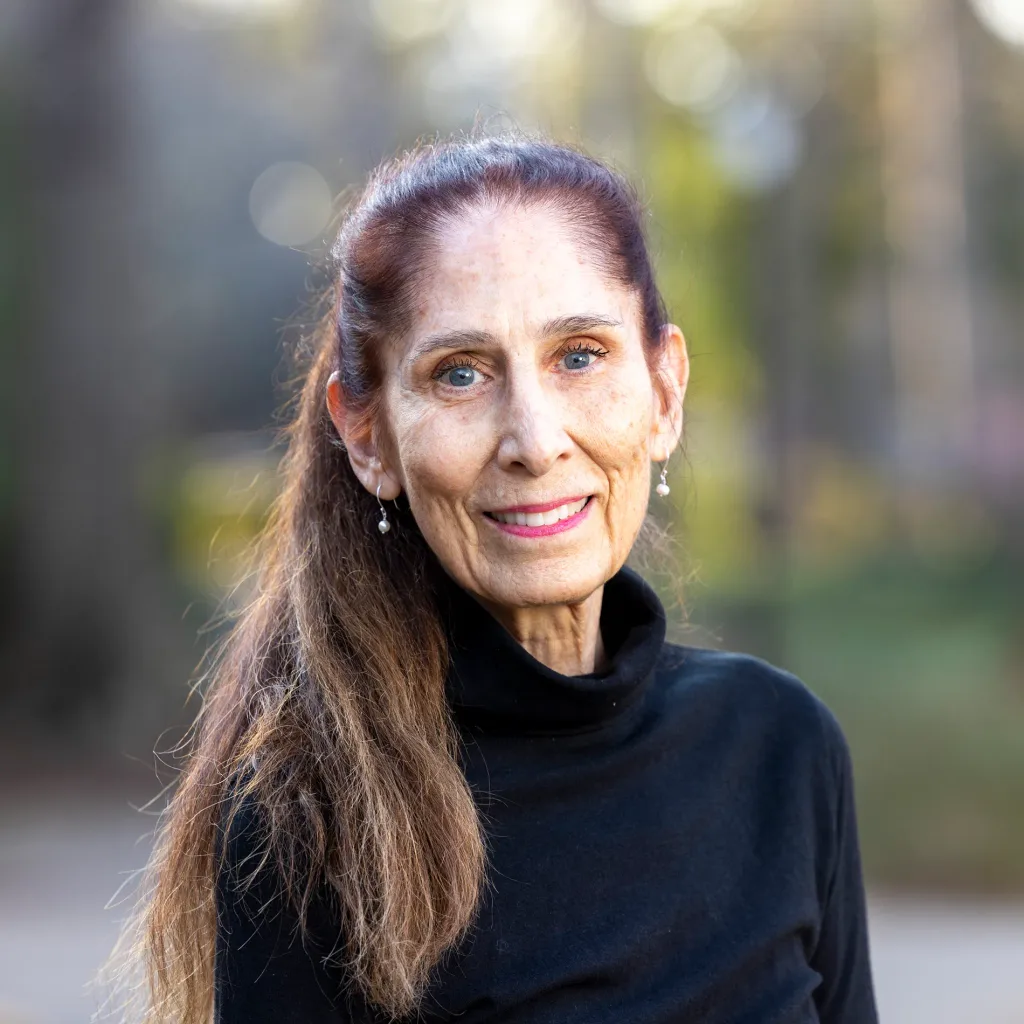
UGA Foundation Professor of the Arts Lisa Fusillo performed and taught across the U.S. and Europe, including in the UGA at Oxford program. On UGA’s main campus, she helped create a Double Dawg program that allows students to earn a bachelor’s degree in dance and a master’s in nonprofit management through the School of Social Work.
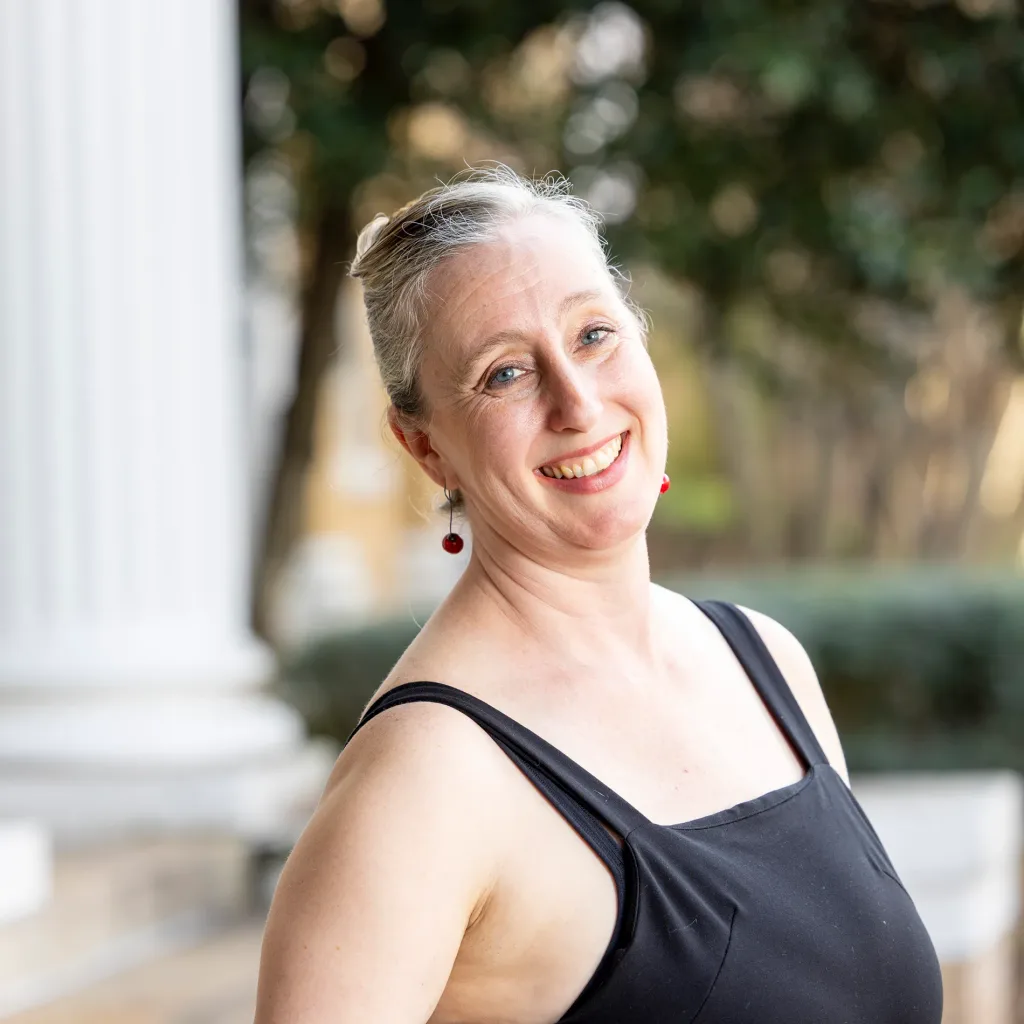
Jennifer Weber, an assistant professor of ballet, is finding her groove as the department’s newest faculty member and embracing the many roles that go along with it. “None of us sit behind a desk eight hours a day,” she says. “We are still movers, so we teach classes, then coordinate rehearsals, and then we’ll eventually sit back down and answer emails.”
Take a Bow
“I think every faculty member and professor in this department has been a meaningful part of my experience at UGA,” says Katherine Stockton, a fourth-year dance major who will attend graduate school for occupational therapy at Georgia State in the fall. “The support system they provide you and all of the wisdom and amazing advice that I’ve gotten has been crucial for me.”


That comment brings a smile to Powers’ face.
“The students get to interact with each of us,” she says, “whether we are teaching a class, asking them questions, or just chatting during a break.
“We encourage students to participate in the things that align with their interests. Their worldview expands when they come here because there are so many different styles and ideas and theories in terms of both the scholarship and the artistry. We have individual conversations with the students to help them pursue these paths.”
And another boundary is crossed.
“Dance and psychology are leading me toward physical therapy, which is what I ultimately want to do. Dance gives you this ability to cue and instruct people in a way that non-dancers might not do.”
– Laura Towner, Third Year, Dance and Psychology
“Dance informs my ability to relate to my own body as well as to understand others. I can interpret other people’s movements and, hopefully one day, use dance in a nontraditional approach to help people rehab their own bodies.”
– Katherine Stockton, Fourth Year, Dance, Pre-Occupational Therapy Track