

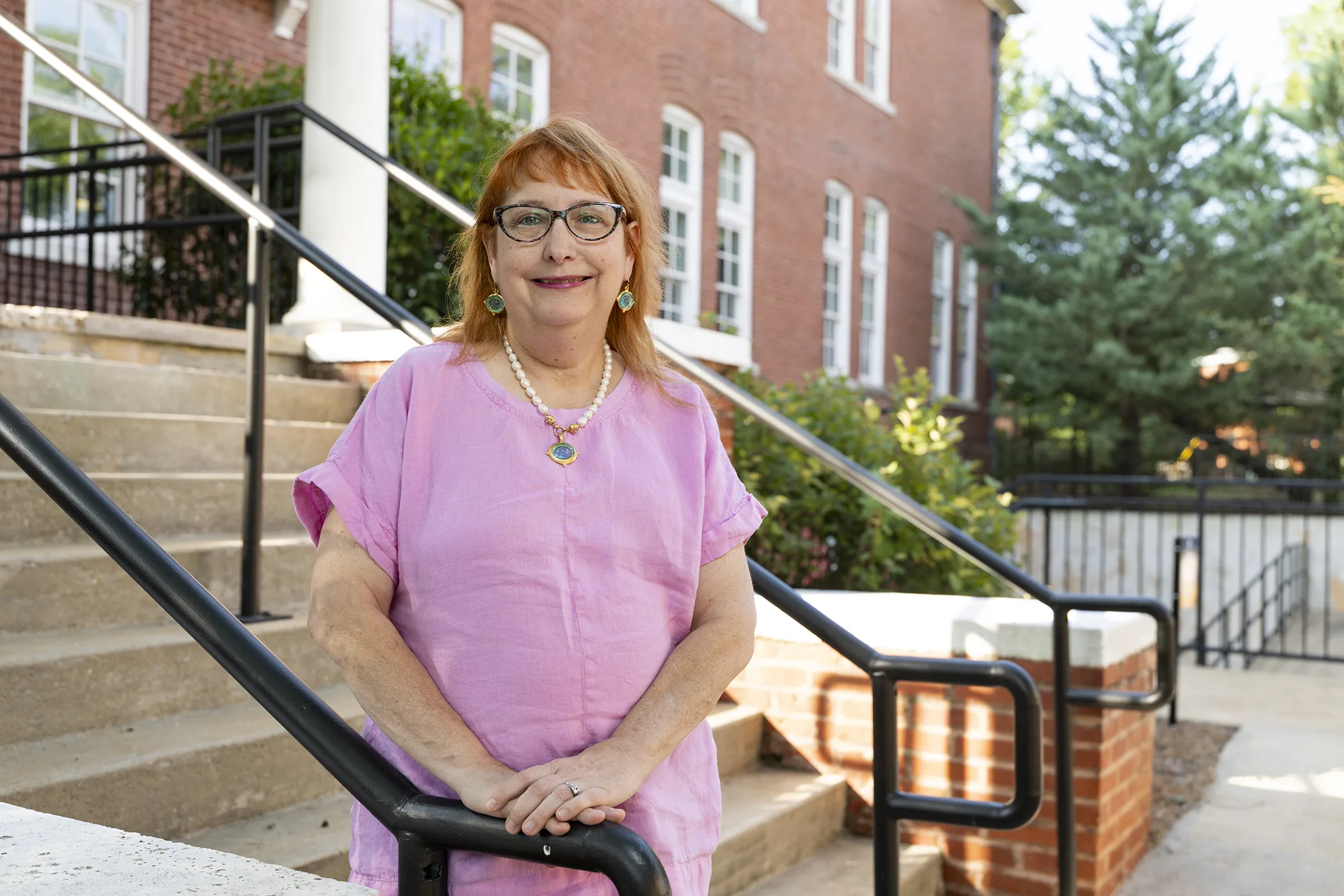
For Dee McKinney, how students learn is just as important as what they learn.
As the University of Georgia College of Public Health’s lead instructional designer for online learning and educational technology, McKinney assists faculty with course development, active learning implementation and troubleshooting eLearning Commons, UGA’s online learning management system.
“I think now people are much more aware of what online learning is and what it can do in a good way,” she said.
McKinney has firsthand knowledge and a deep understanding of a variety of learning environments. After earning a bachelor’s degree from the University of North Carolina-Asheville, she came to UGA for her master’s degree and doctorate. She then taught at a few institutions, including in a tenure-track position she held for about 18 years.
At that point, McKinney came across an instructional design position with UGA’s Office of Online Learning. She accepted the position in the summer of 2019.
“A little dose of instructional design is good for everybody. I think we all need instructional design to improve the student experience,” she said. “Instructional design helps reduce students’ cognitive load and makes the professor’s work better. When it’s all working correctly, it makes the process easier.”
As part of her role with the Office of Online Learning, McKinney worked with the online Master of Public Health program for about three years. Eventually, the college wanted a full-time instructional designer, and she decided to make that switch to her current role in the summer of 2026.
“I love teaching, and I loved my students,” she said. “There are good ways we can teach, and I’d like to share the things I’ve learned over my career with other people.”
In particular, McKinney’s interest lies in how faculty can make online learning more effective and engaging.
“Being able to share my findings and my experience as an instructional designer has been wonderful,” she said. “I jokingly say that it’s all of the fun prep for classes but none of the grading.”
McKinney became intrigued after noticing how her history students responded differently to in-person and online classes. She had a few students who seemed unengaged during in-person classes but blossomed during online coursework, and she saw the value of creating a strong learning environment in both spaces.
“We should all have this opportunity,” she said.
McKinney believes that teaching in the online space deserves just as much effort as teaching in a traditional classroom.
“Online learning is not easier at all,” she said. “It requires a lot of organization, time management and project management, and I love doing those things.”
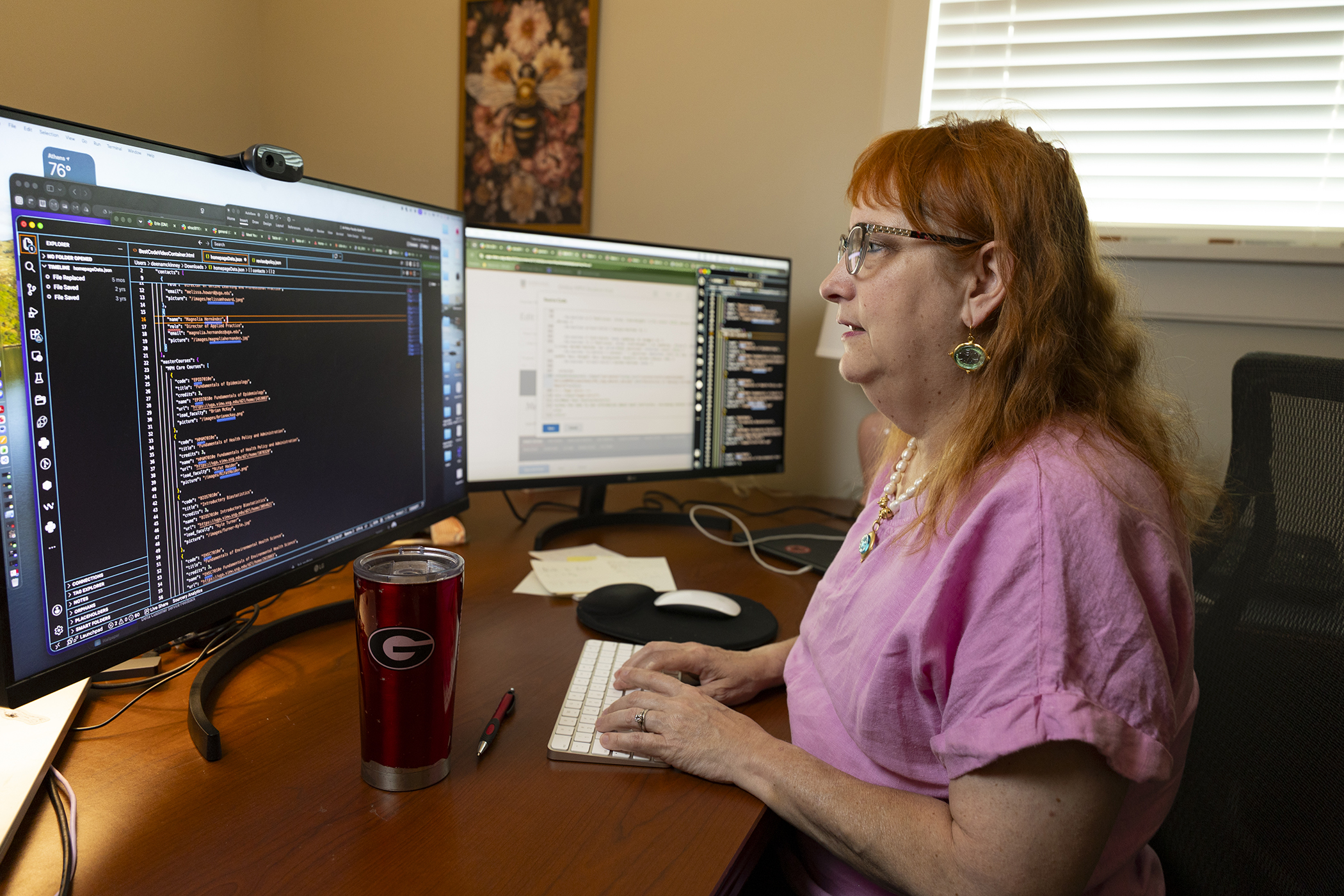
According to McKinney, good instructional design begins with the end in mind. For example, if a faculty member is designing a class for the fall, the work should begin in the early spring.
When McKinney receives a request from a faculty member, the project starts with a design and ideation meeting that lasts an hour or less. The faculty member shares their goals for the class and things they want to include, such as media, projects or assessments. From there, she goes on what she calls a “course design sprit,” going back and forth with that faculty member for a week or so until they have a solid framework. To McKinney, it’s a lot like building a house.
“We would frame your house, and between that point and the point the course launches, we would start putting in the fixtures — the paint, the flooring, all of the really pretty things that make the frame a home,” she said. “The same is true of your course.”
McKinney’s overall goal is to help faculty improve their courses and deliver the vision they want to see, and she loves the problem-solving skills and teamwork it takes to make that happen.
Outside of work, McKinney enjoys writing, traveling, knitting and improving her cello-playing skills. She also co-owns a small tabletop role-playing game company.
In her day-to-day work, she’s finding ways to improve the learning experience for faculty and students.
“Instructional designers love to help people. We love to help you make things better,” she said.