

Author: Vicky L. Sutton-Jackson
-

SREL hires Ford to lead outreach and education
Ford will oversee outreach and public relations staff at SREL and expand the lab’s educational…
-
Four new faculty join SREL
Avishek Dutta, Brennan O. Ferguson, Daniel Kaplan and Daniel A.H. Peach will expand the SREL’s…
-
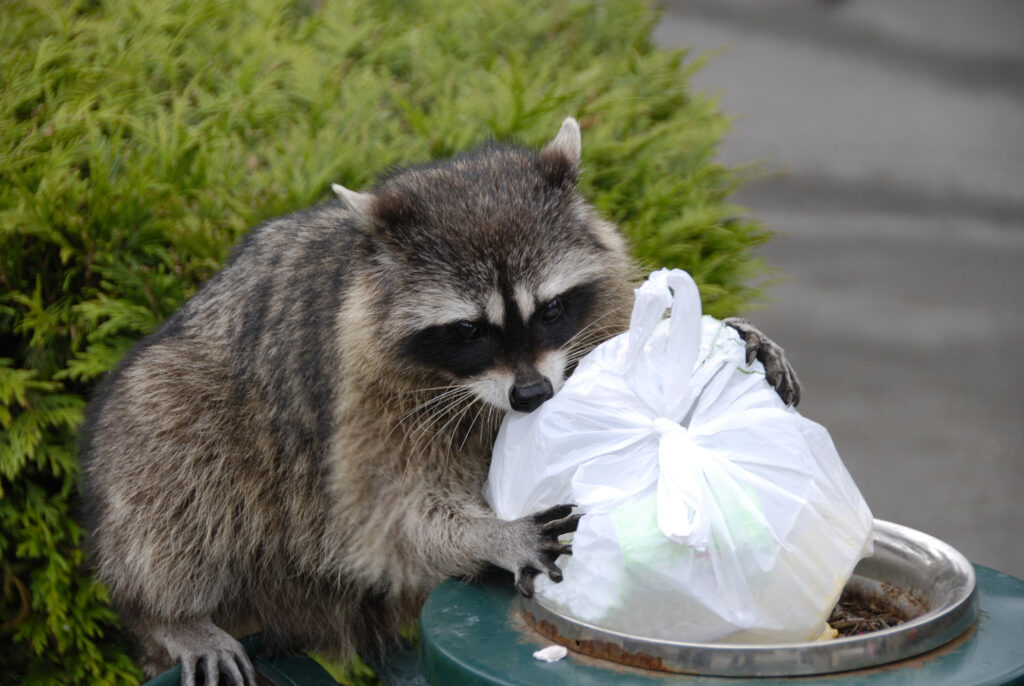
Scavengers, such as raccoons, can be picky eaters
Birds and mammals preferred to dine on the carcasses of herbivores.
-

SREL team captures desert tortoise conservation award
The Robert C. Stebbins Award recognizes an individual or team with an outstanding record of…
-
DOE renews $34M cooperative agreement with SREL
SREL serves as a scientific partner and independent evaluator of DOE activities.
-
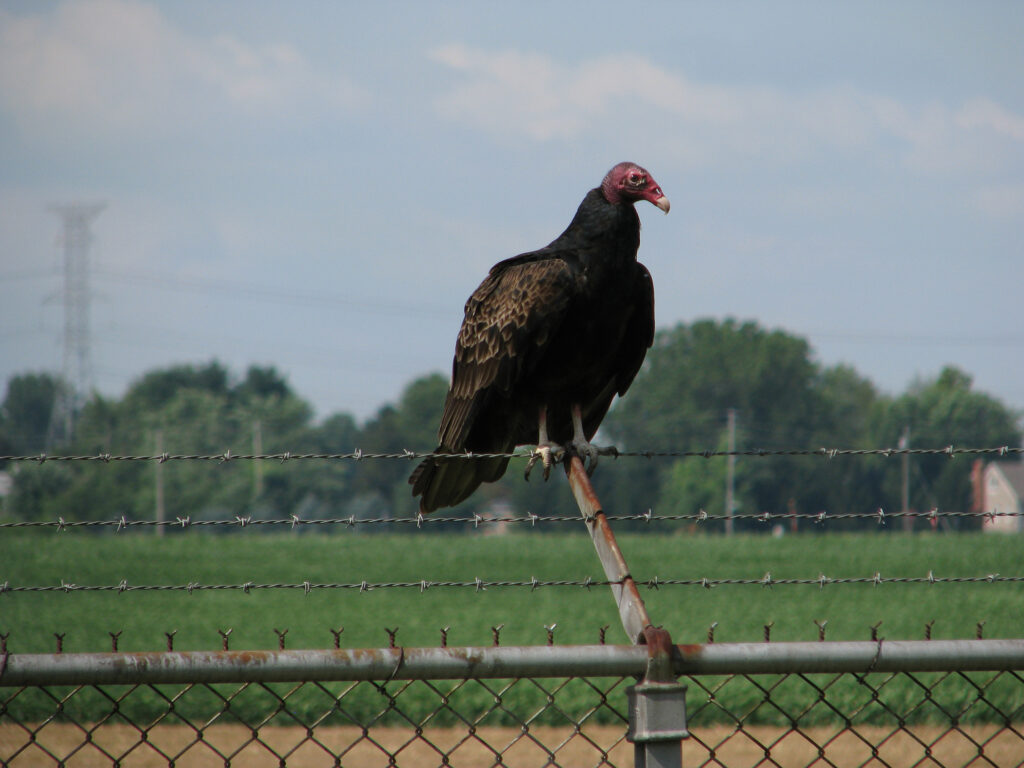
Vultures prefer roosting near civilization
Human-altered landscapes help the birds fly and provide more access to food.
-
Scenes from the Savannah River Site
Three staffers at the Savannah River Ecology Lab took home awards in the Snap SRS…
-
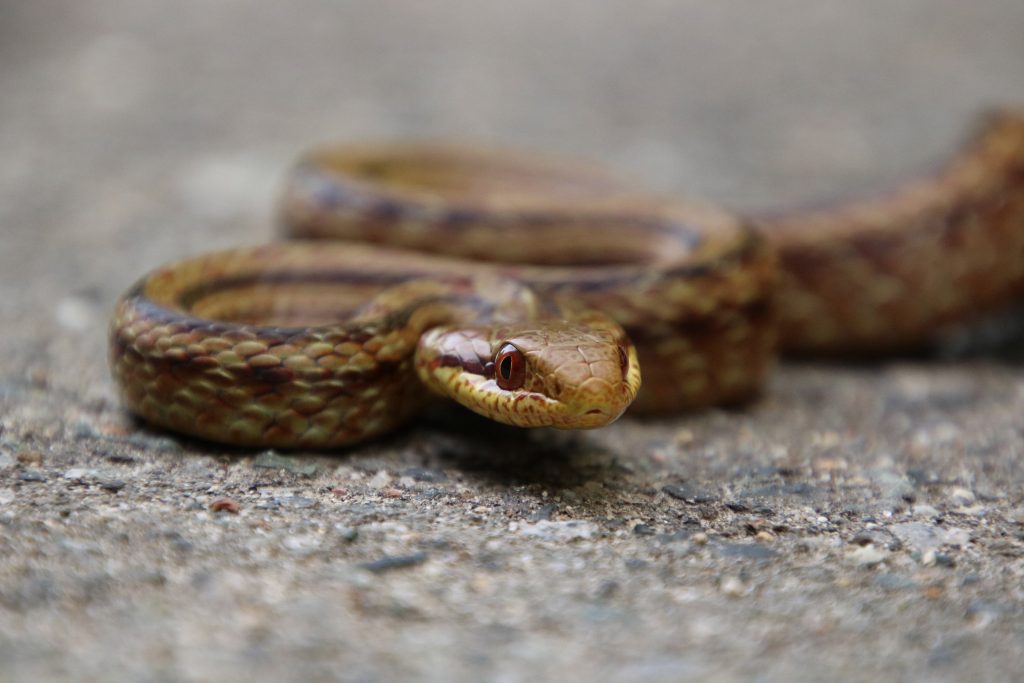
Using snakes to monitor Fukushima radiation
Researchers use GPS trackers on rat snakes to track movements at Fukushima.
-
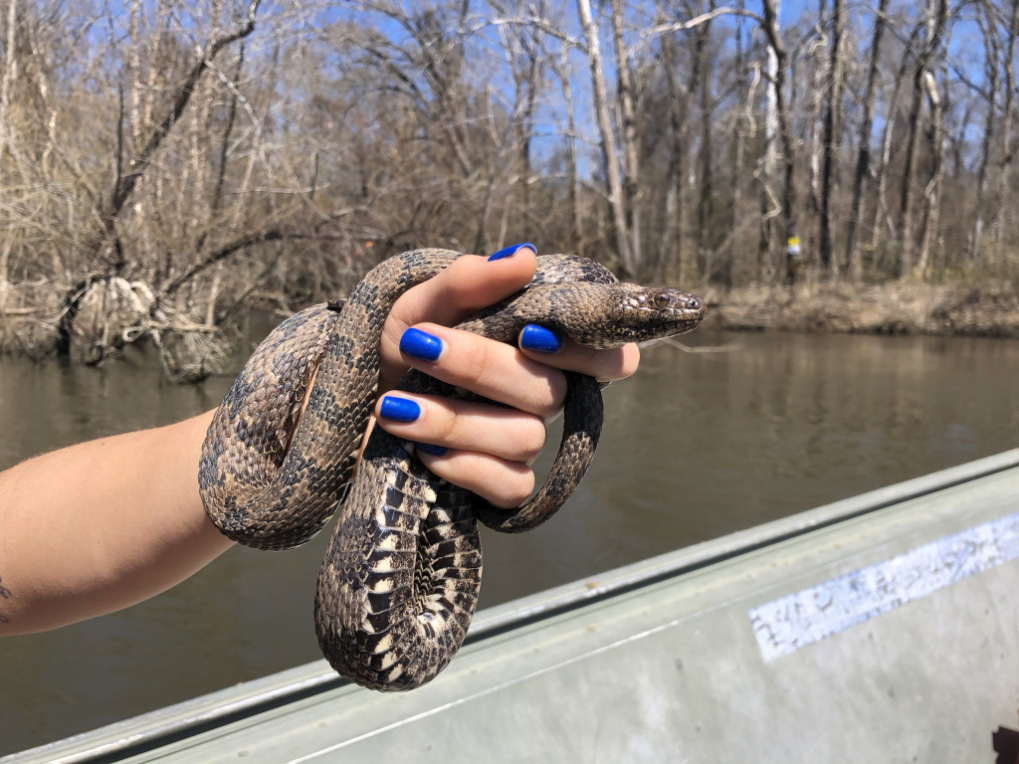
Mercury decreased in brown watersnakes, study reveals
The snakes tested recently show a significant drop in this toxic element.
-
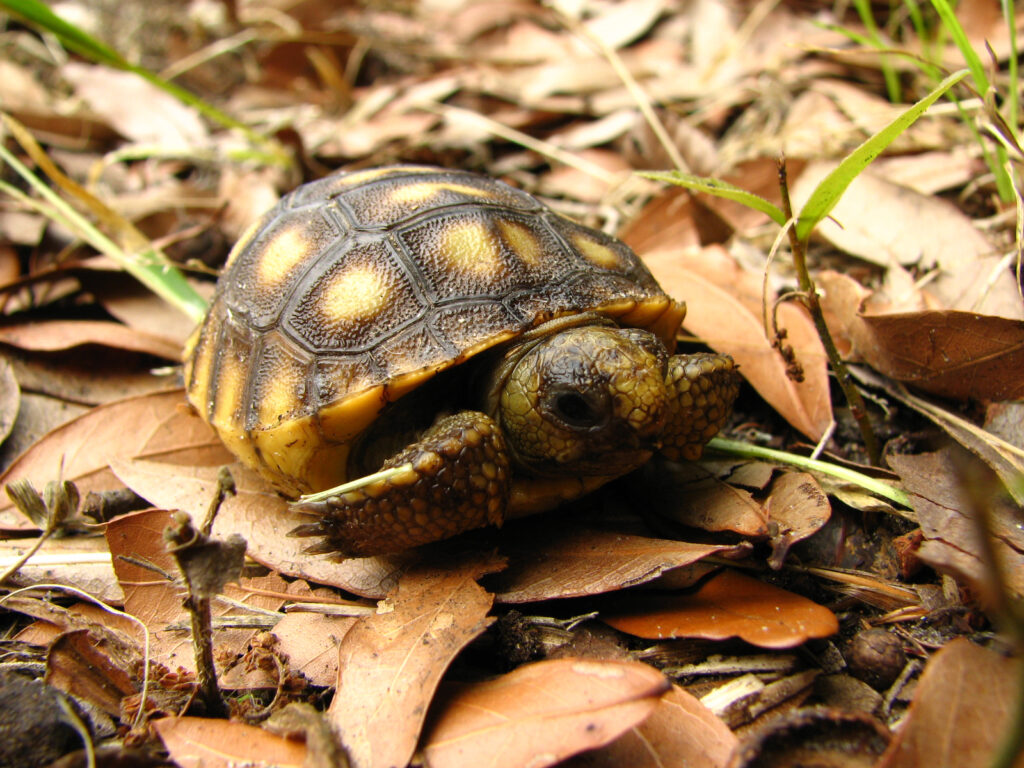
Tortoise relocation proves to be effective for conservation
Barrier island provides safe haven for first long-term study of relocation.
-
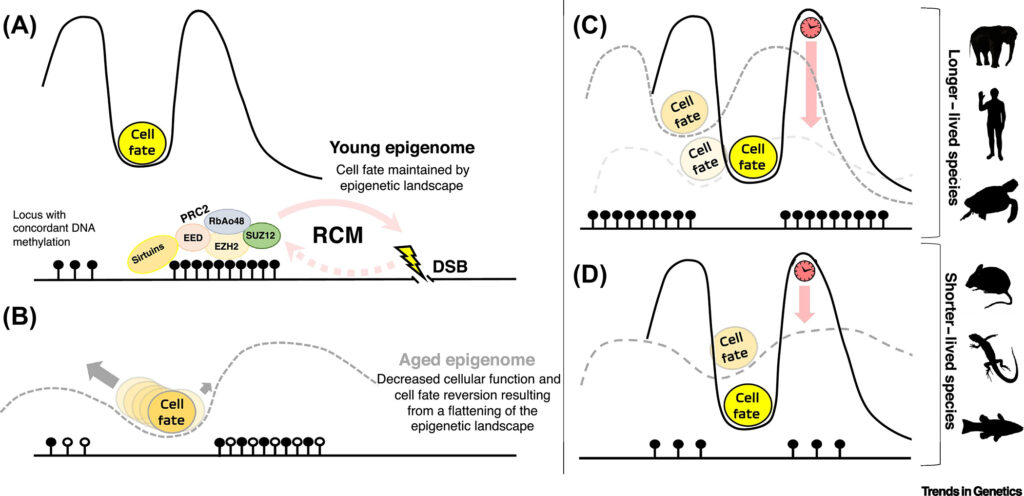
Researchers offer insights into aging
UGA scientists have presented a strong case that the mechanism lies at the intersection of…
-
Analysis finds environmental link to antibiotic resistance
Genetic testing finds heavy metal contamination is also a culprit.
-
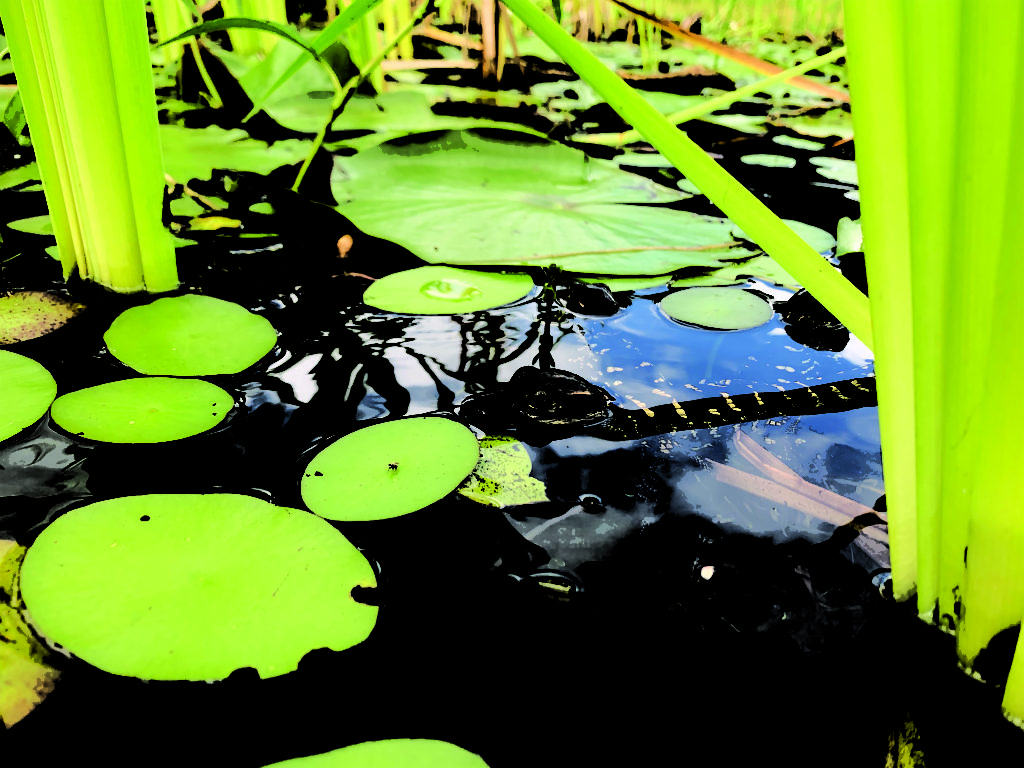
Forecast predicts dismal future for American alligator
A study by University of Georgia researchers indicates that warming temperatures could impact the future…
-
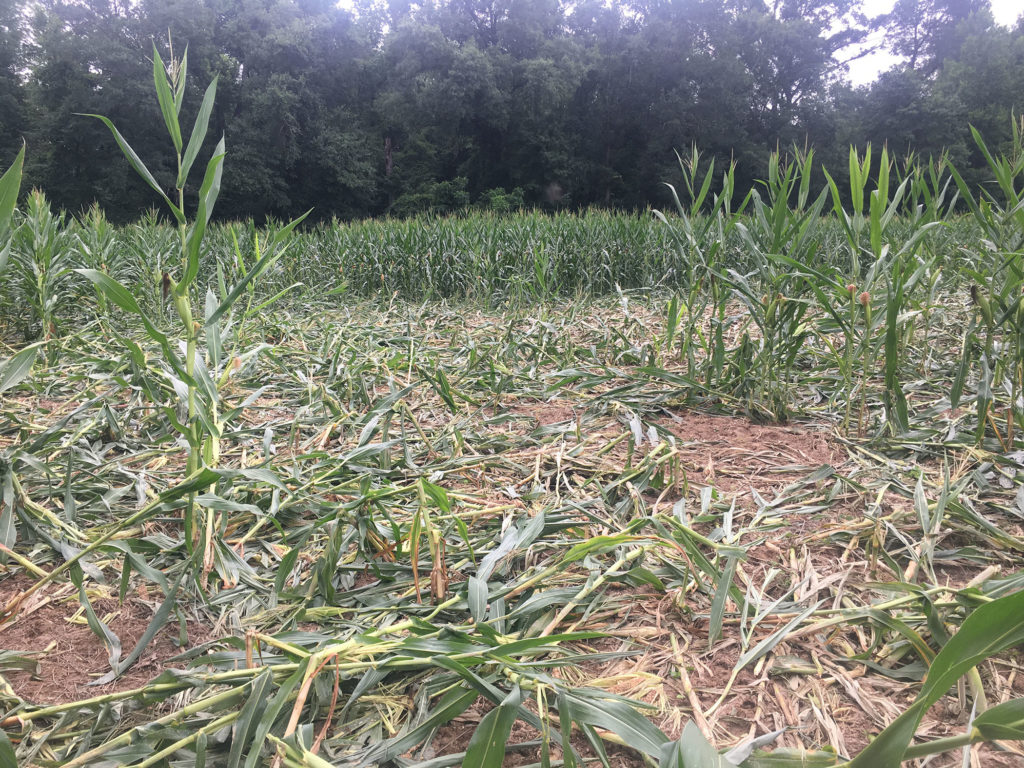
Early intervention is cure for pigs and crop damage
Wild pigs cause millions of dollars of damage to agriculture industry.
-
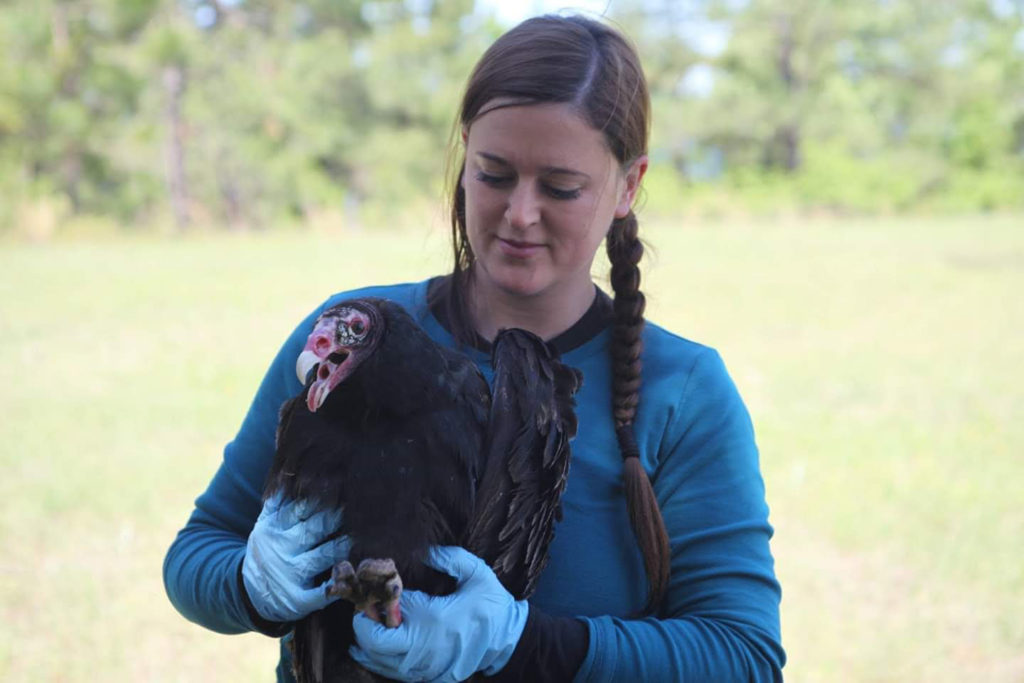
Two vulture species; the same but different
Research shows striking differences in how vultures use the landscape.
-
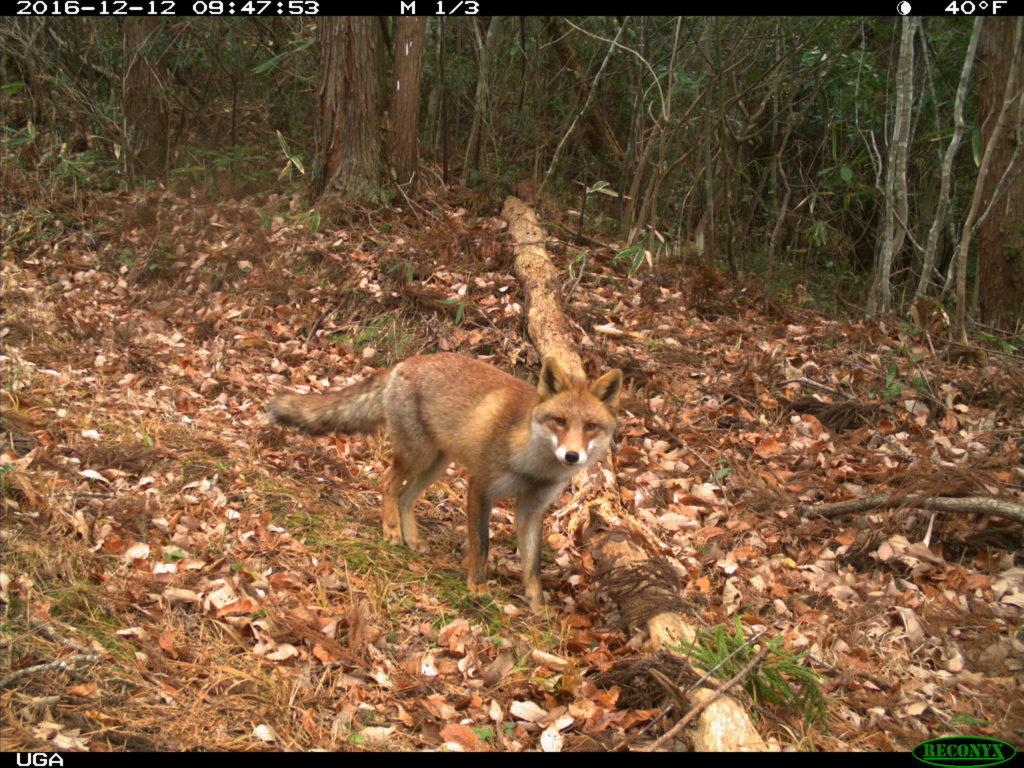
Study shows animal life thriving around Fukushima
Researchers document more than 20 species in nuclear accident zone.
-
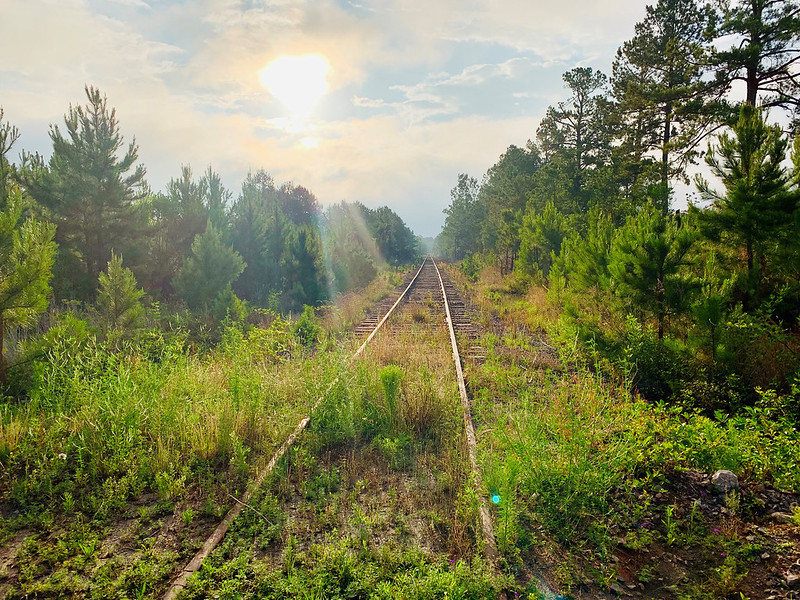
UGA scientists show their artistic side
Photographs show nature at the Savannah River Ecology Laboratory.
-
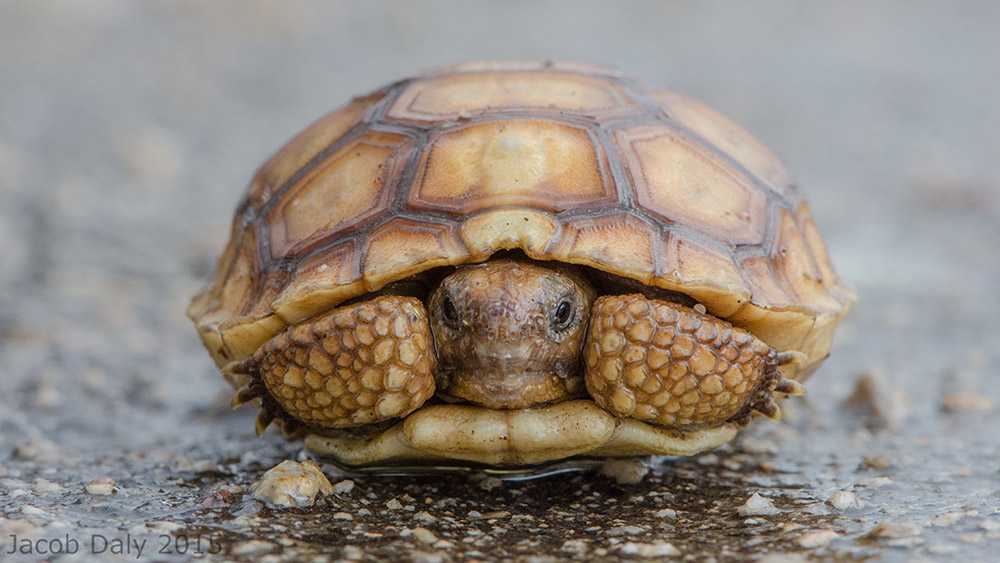
Tweaking the approach to save the desert tortoise
Researchers raising them in captivity until they are less vulnerable to predators.
-
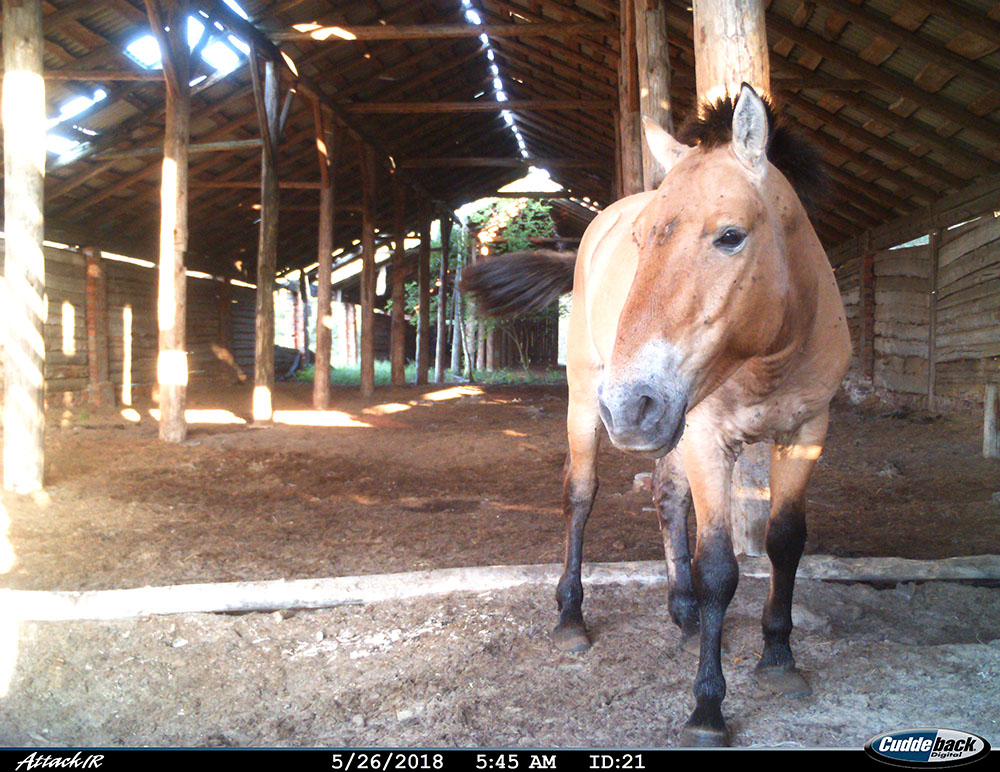
Abandoned Chernobyl villages could save a rare species
Horses using empty structures that were deserted after the 1986 nuclear accident.
-
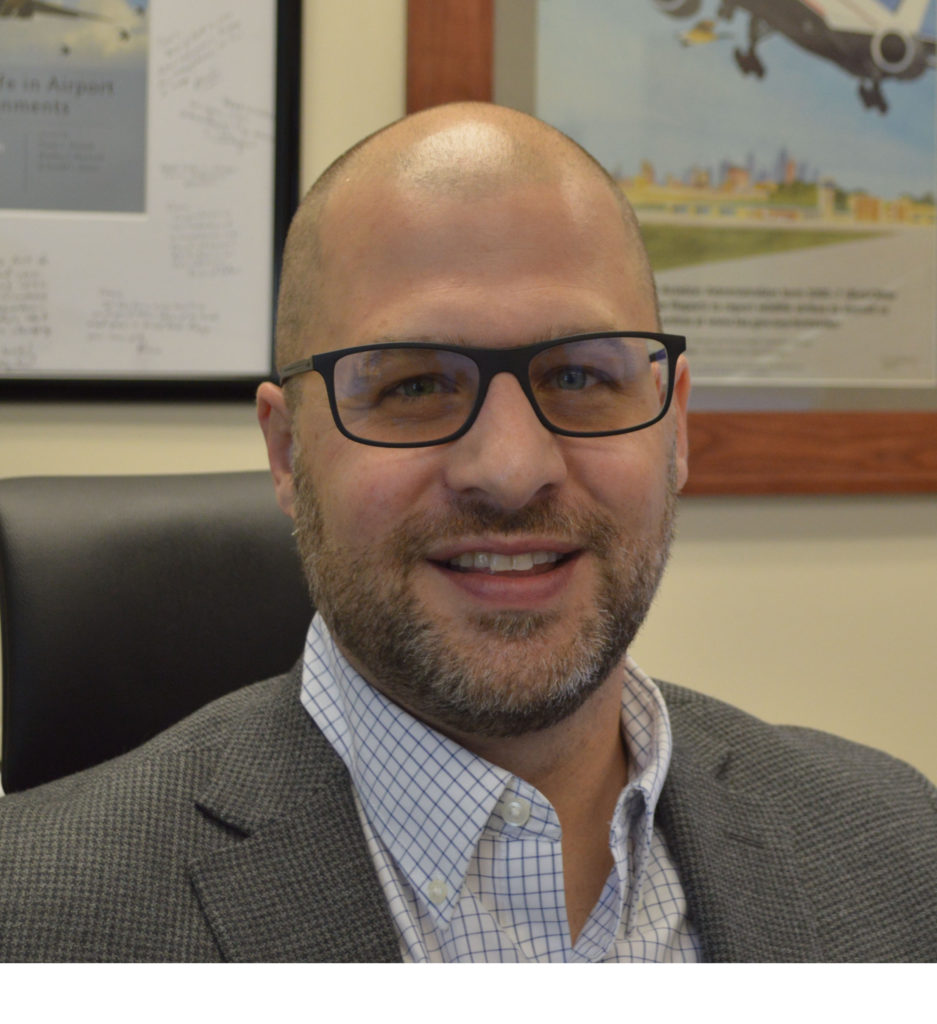
DeVault joins SREL’s leadership team
Travis L. DeVault has joined the leadership team of UGA’s Savannah River Ecology Laboratory.
-
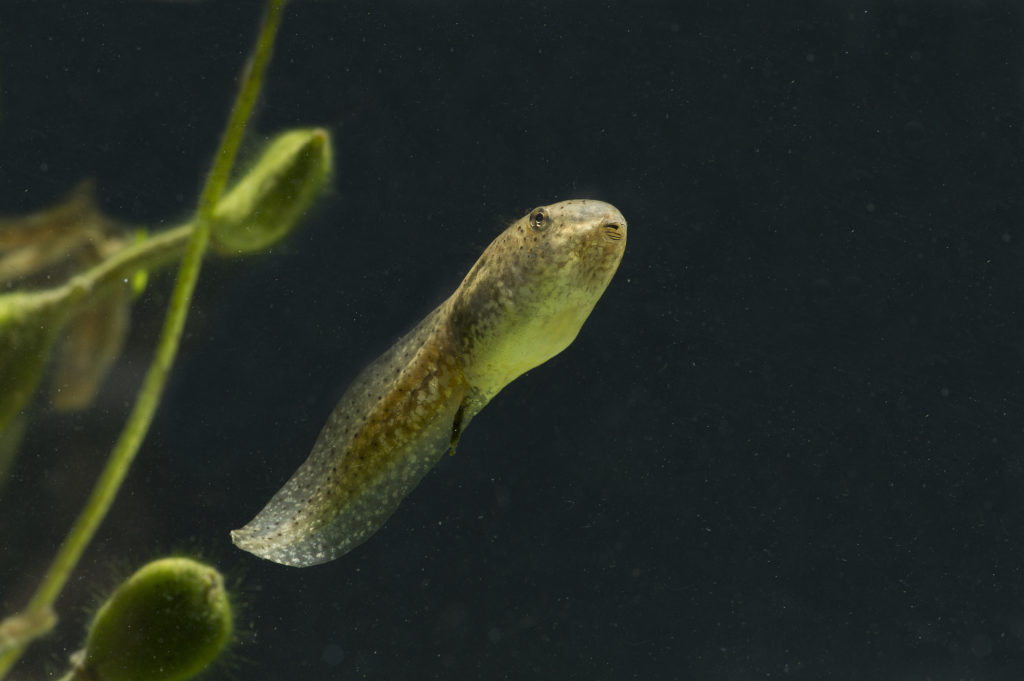
Radioactive tadpoles reveal contamination clues
Amphibian larvae help monitor environmental contamination.
-
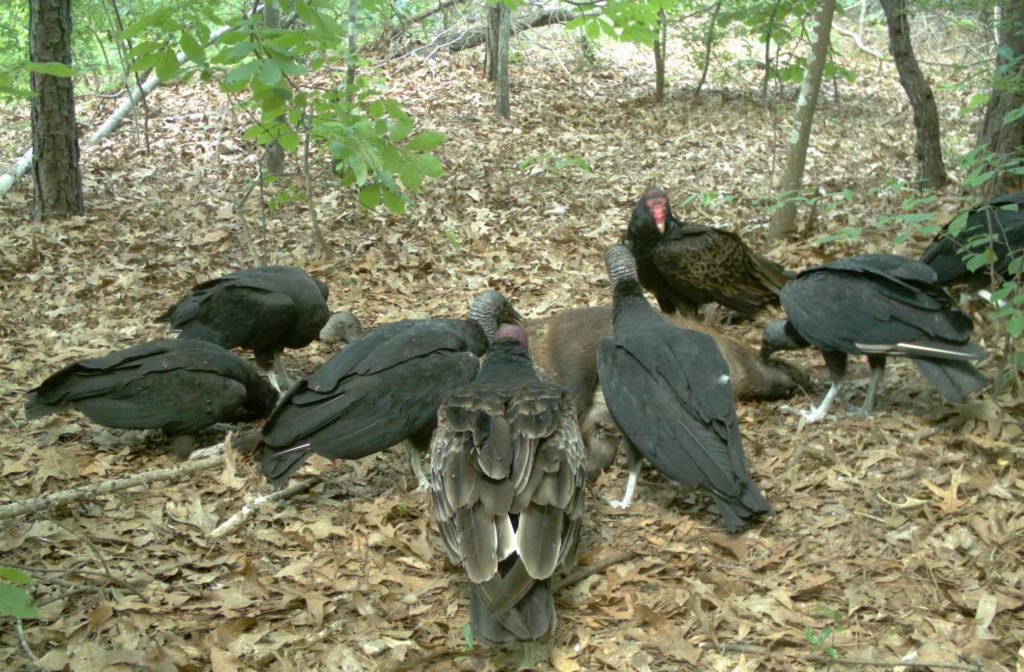
An ecological tale of two scavengers
Two species of vultures are able to coexist because of their respective traits.
-
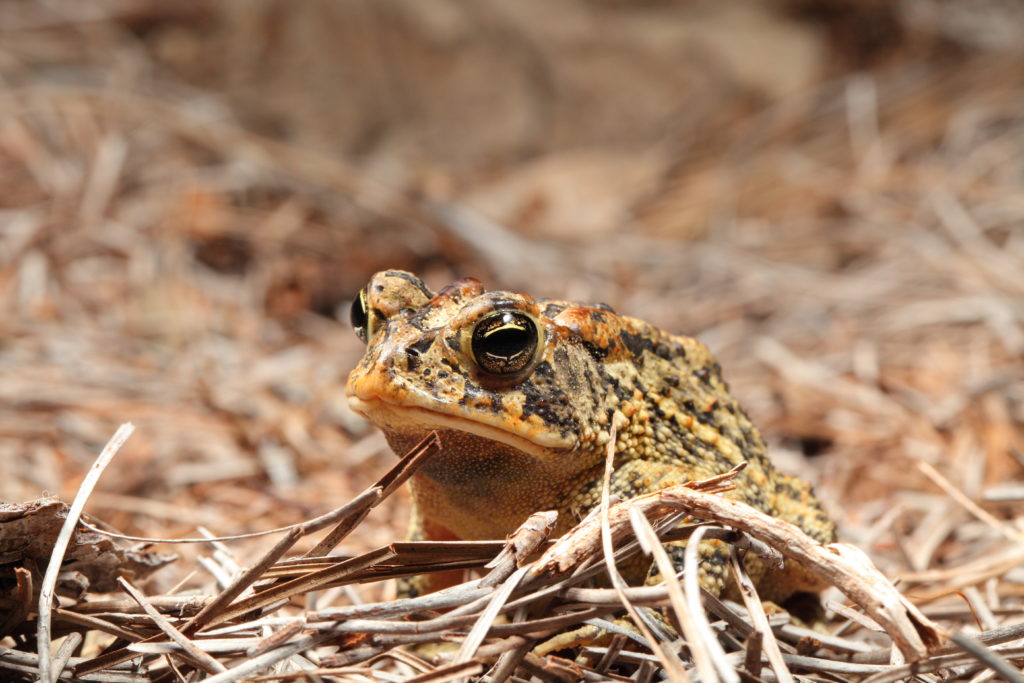
Toxic toads can tolerate environmental contaminants
About 40 percent of the world’s amphibian populations are threatened with extinction.
)