

Tag: Savannah River Ecology Laboratory
-

SREL, Warnell School faculty member named ESA Early Career Fellow
Jim Beasley, an associate professor at UGA’s Savannah River Ecology Laboratory and Warnell School of…
-
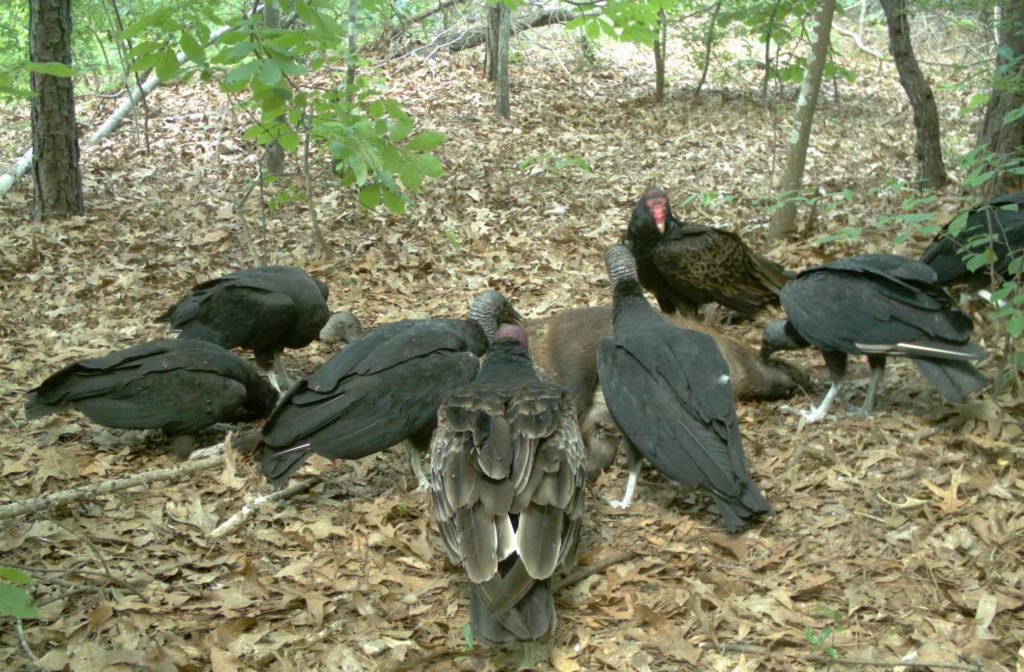
An ecological tale of two scavengers
Two species of vultures are able to coexist because of their respective traits.
-
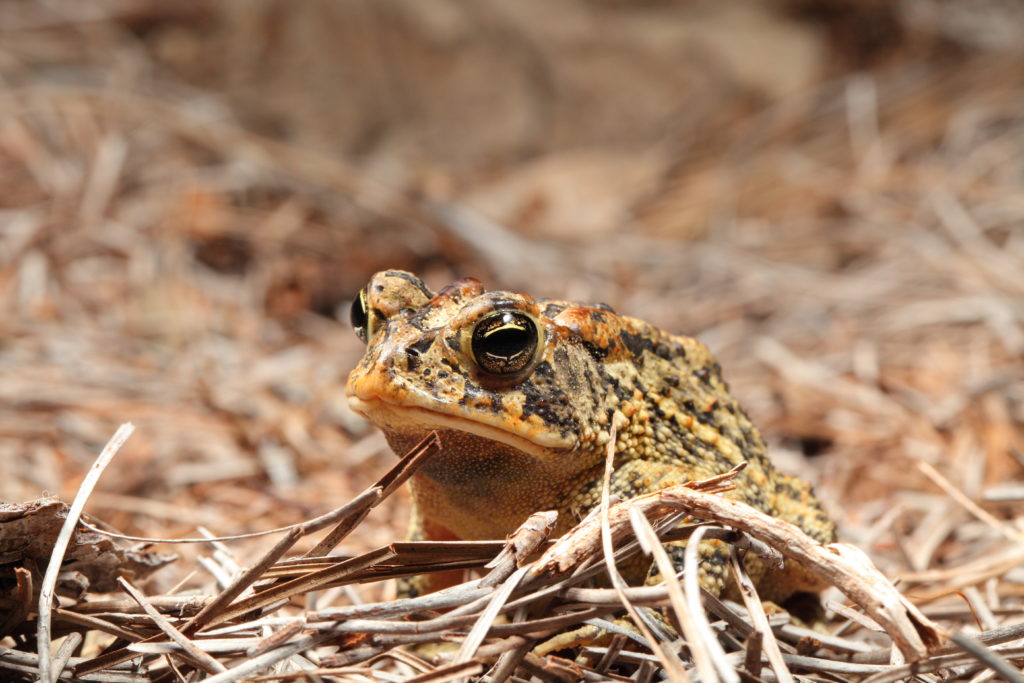
Toxic toads can tolerate environmental contaminants
About 40 percent of the world’s amphibian populations are threatened with extinction.
-

SREL staff member receives environmental awareness award
Sean Poppy, outreach program coordinator at UGA’s Savannah River Ecology Laboratory, has been awarded the…
-
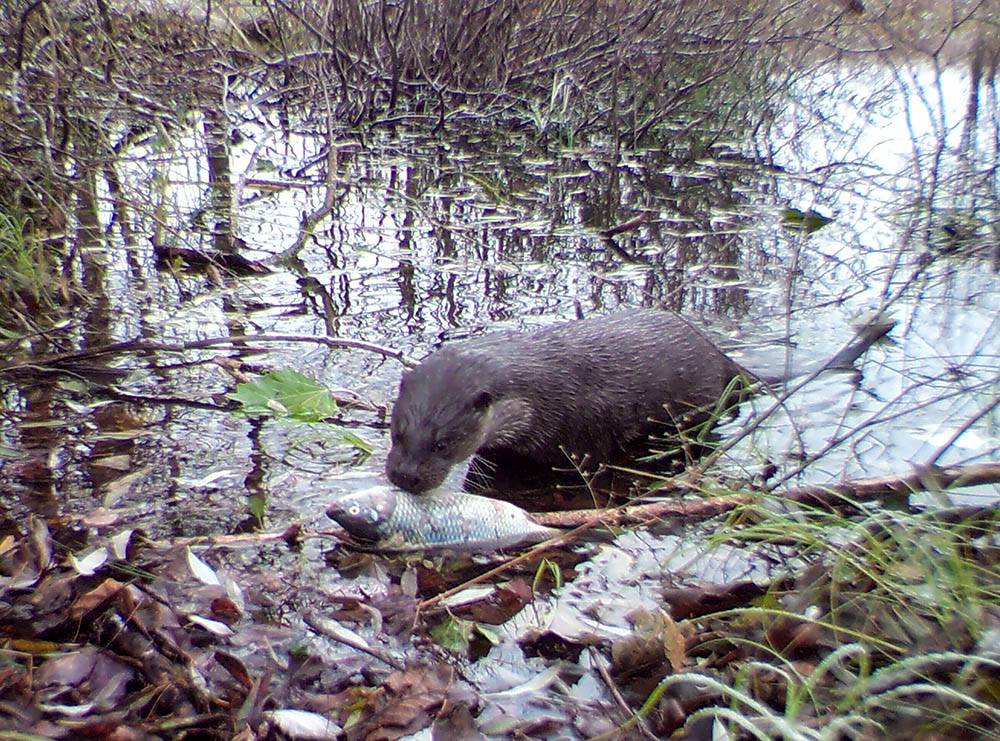
Study reveals wildlife is abundant in Chernobyl
Researchers even found white-tailed eagles, American mink and river otter.
-
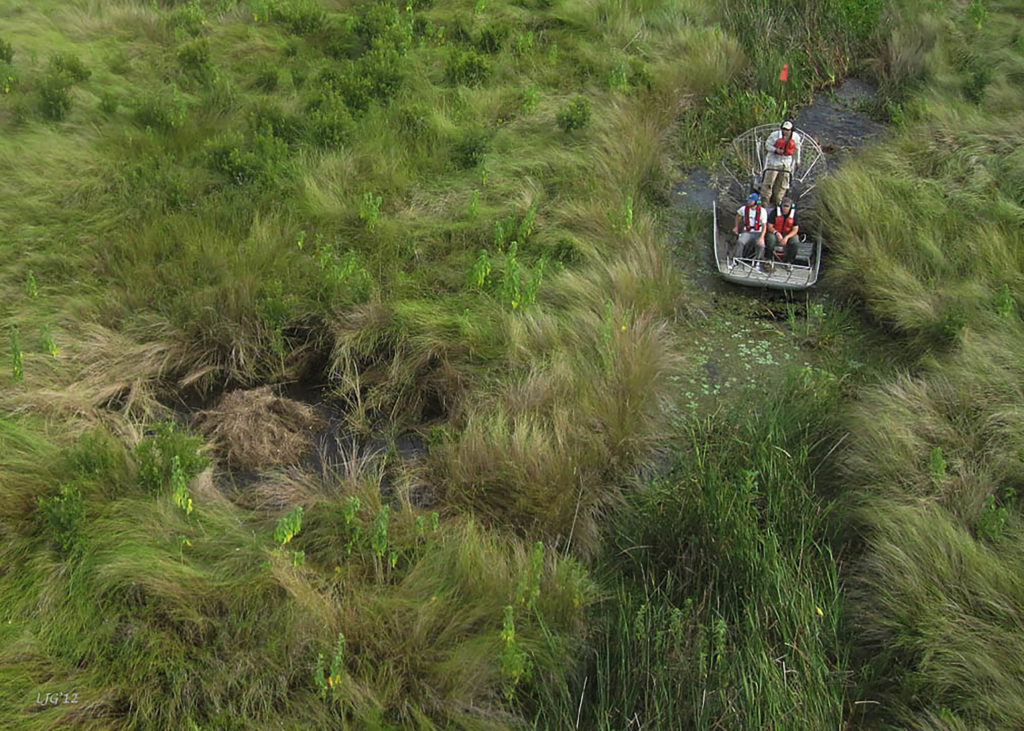
How the environment can determine traits
National Science Foundation grant will help move SREL researchers forward.
-
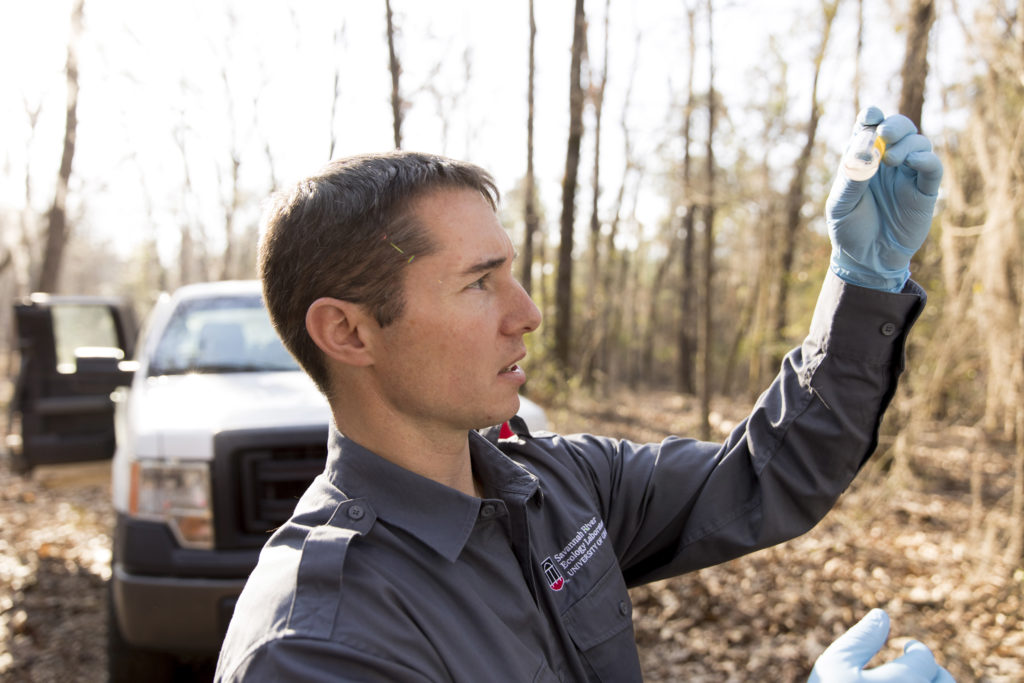
Associate professor teaches students how to study behavior of wildlife
UGA’s James Beasley balances teaching with travel to foreign landscapes where he investigates the effects…
-

Rebecca Sharitz, Savannah River Ecology Lab
Rebecca R. “Becky” Sharitz, former professor of plant biology and senior research ecologist at UGA’s…
-

Professor emeritus of ecology quoted in National Geographic
Whit Gibbons, professor emeritus of ecology and former head of the environmental outreach and education…
-

SREL director receives wildlife research award
Olin E. Rhodes Jr. is the 2018 recipient of the Caesar Kleberg Award for Excellence…
-
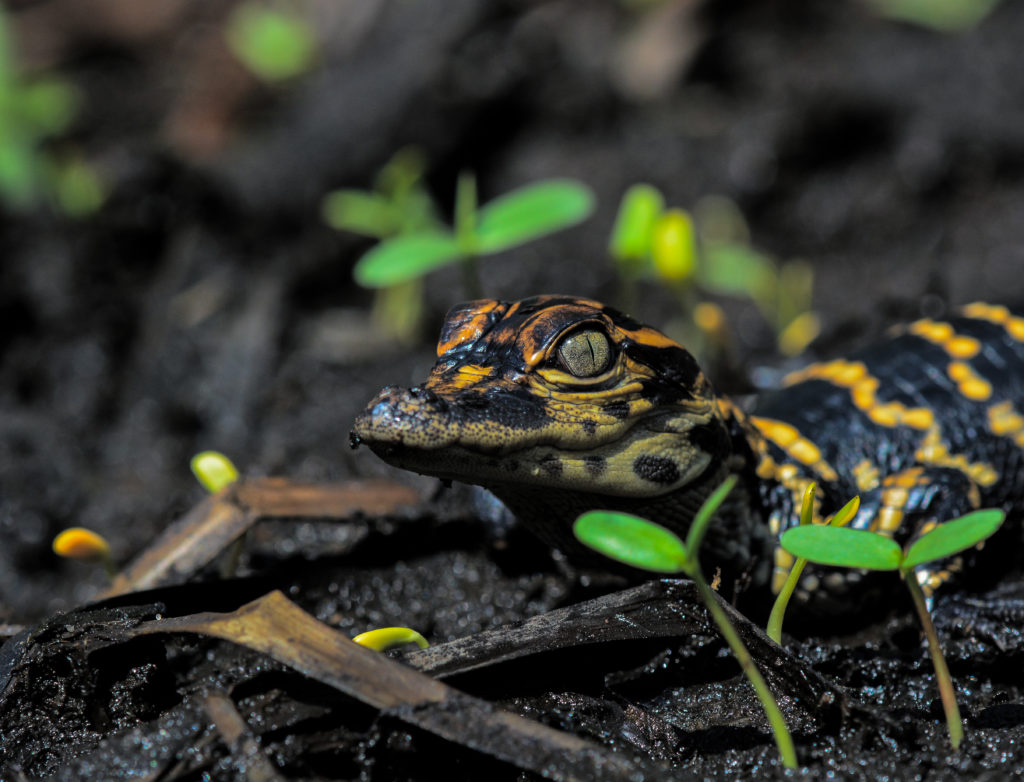
Alligators and timing shed light on reproductive disorders
Results may help scientists understand causes of disorders in wildlife and women.
-
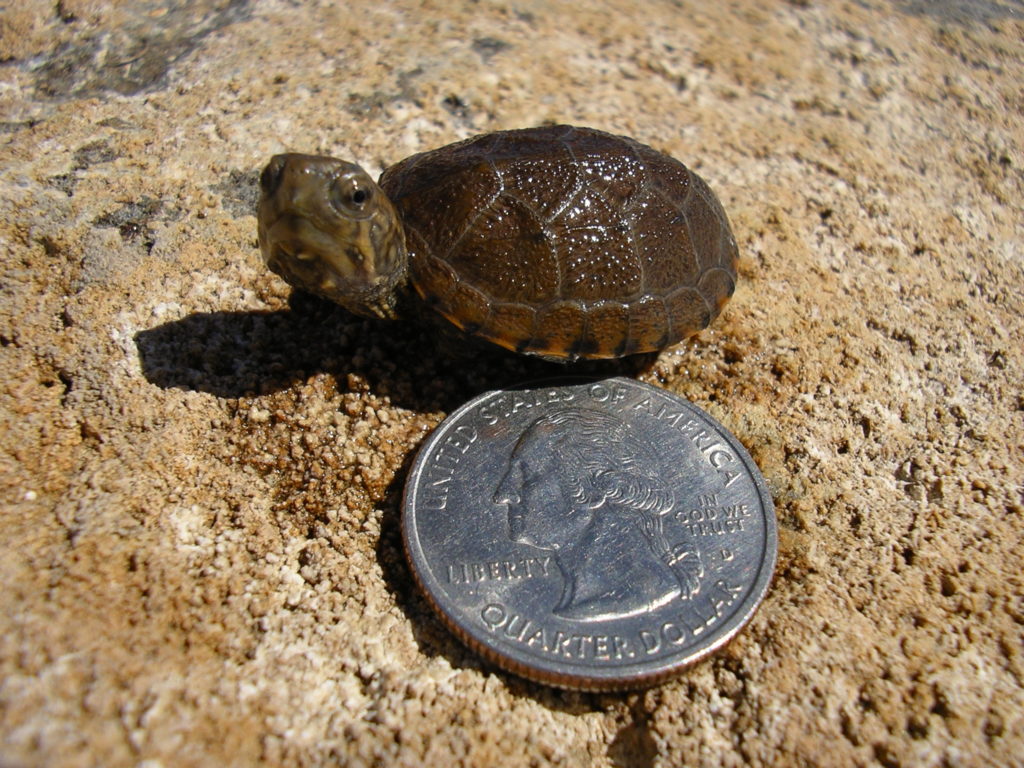
Where have all the turtles gone, and why does it matter?
61 percent of the world’s 356 turtle species are threatened or already extinct, with consequences.
-
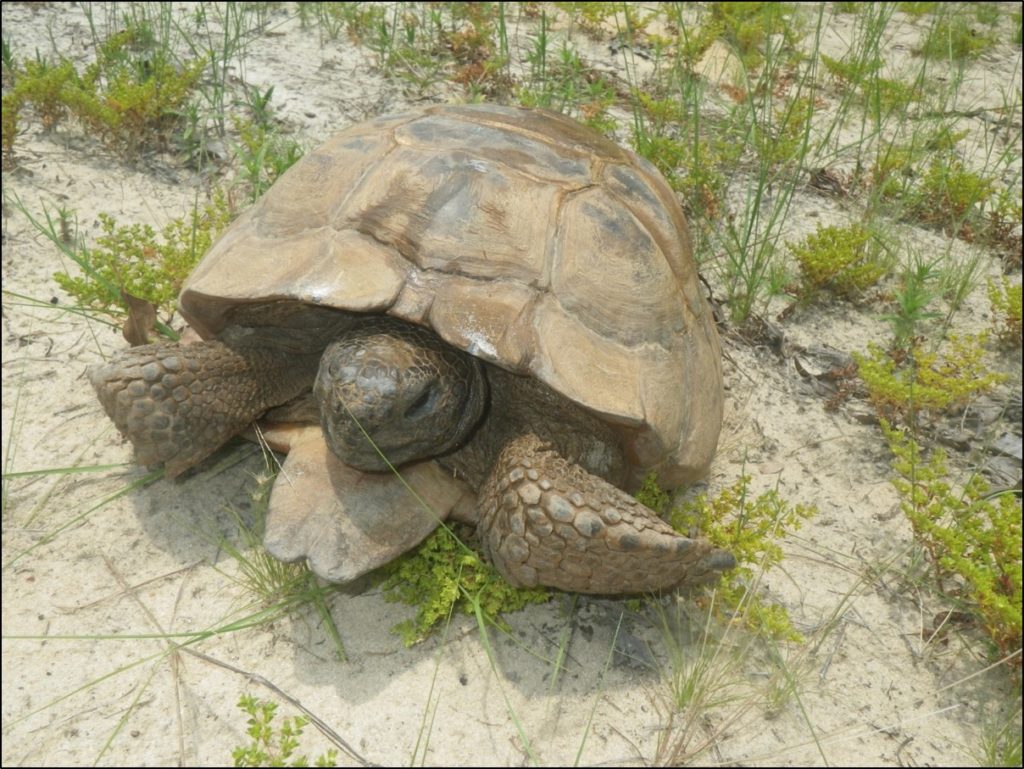
Researchers are giving tortoises a ‘head start’
Raising the keystone species gopher tortoise in captivity may boost wild populations.
-
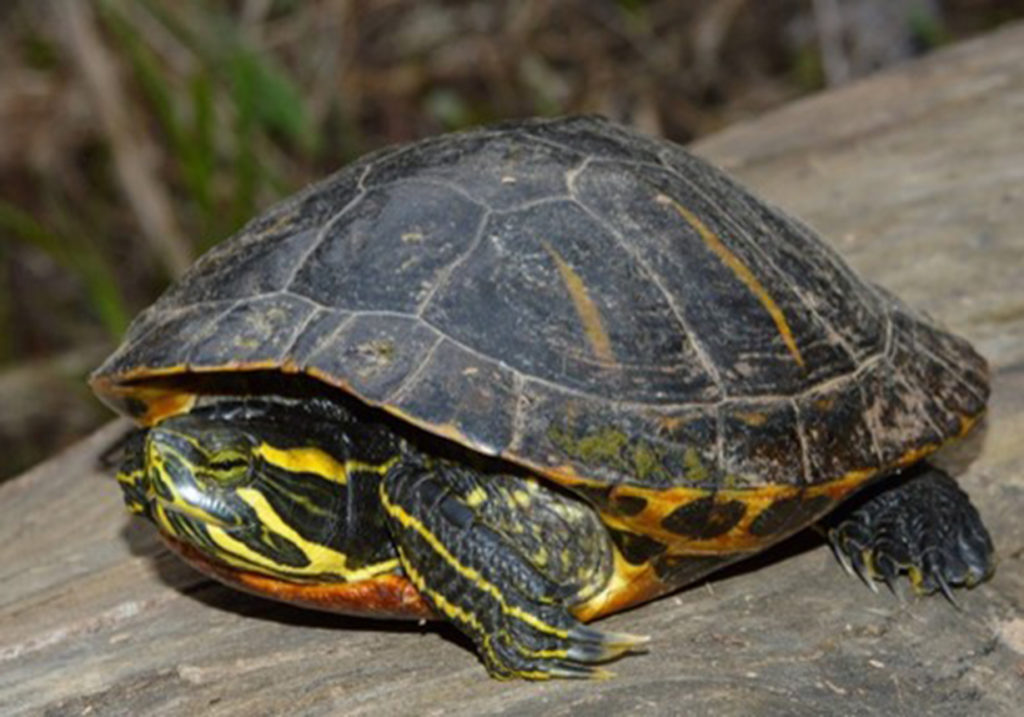
Colorful reptile serves as a health barometer for the impacts of coal waste
Scientists have confirmed that exposure to coal combustion residues lead to higher levels of trace…
-
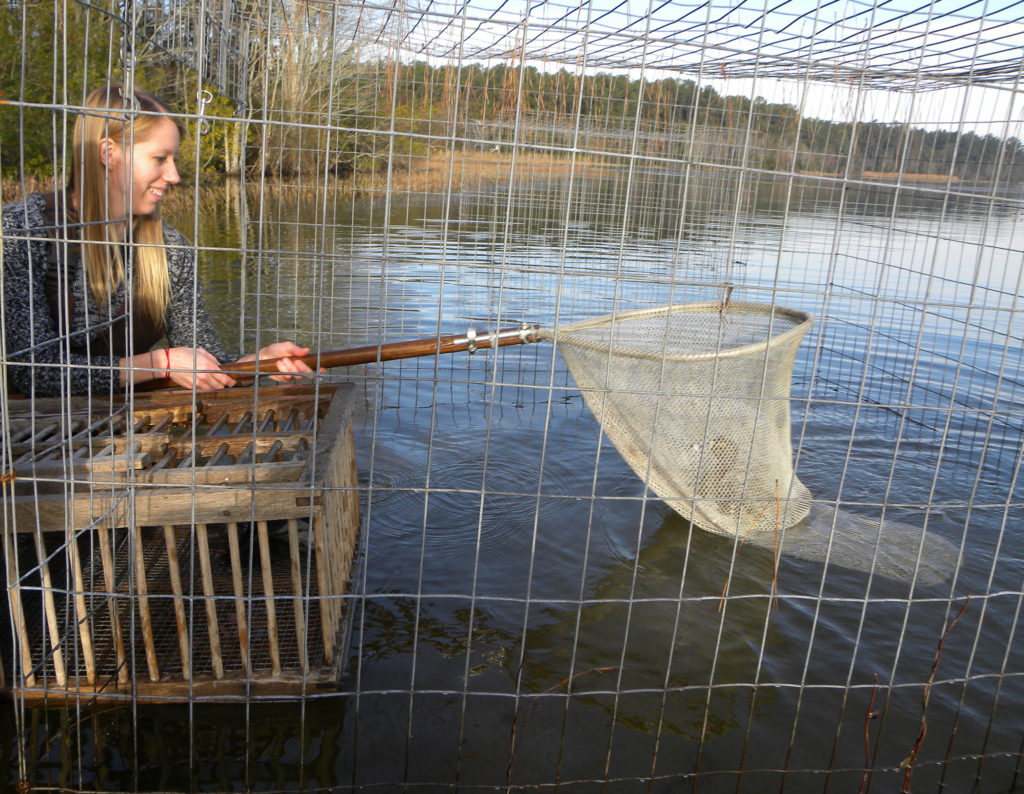
Aquatic rest stops may pose potential hazards for migratory waterfowl
University of Georgia scientists have identified two factors that affect the accumulation of a radioactive…
-

Study: Toxic elements from fly ash found in raccoons
Coal-burning power plants produce more than half of the electricity in the U.S., and they…
-
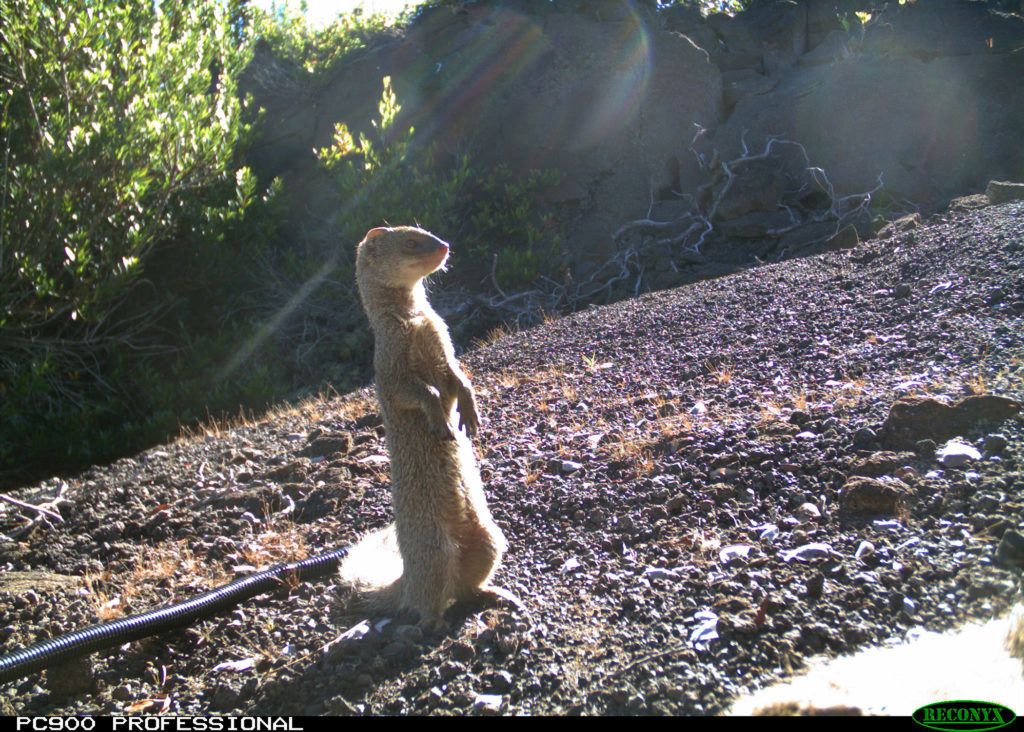
Eat and be eaten: Invasive scavengers in Hawaii alter island nutrient cycle
Researchers from the University of Georgia have found that invasive species on Hawaii Island, or…
-
Savannah River Ecology Laboratory to launch radionuclide outreach program
The University of Georgia’s Savannah River Ecology Laboratory will begin working this summer with the…
-
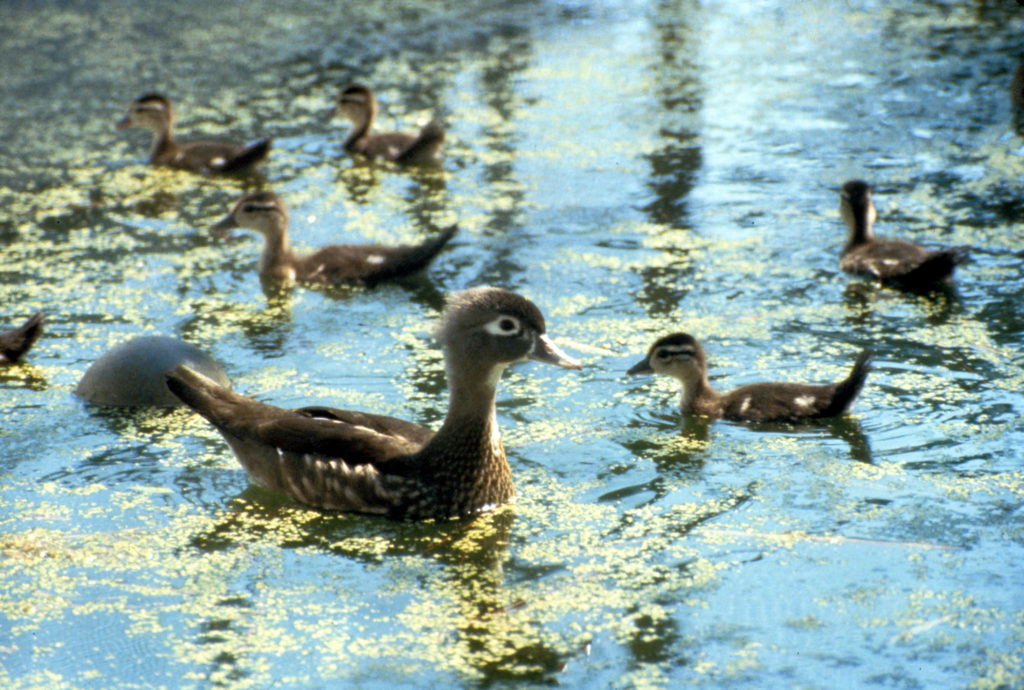
Researchers find positive connection between wood duck’s reproduction, survival
Using long-term data and breeding history of female wood ducks, researchers at the University of…
-
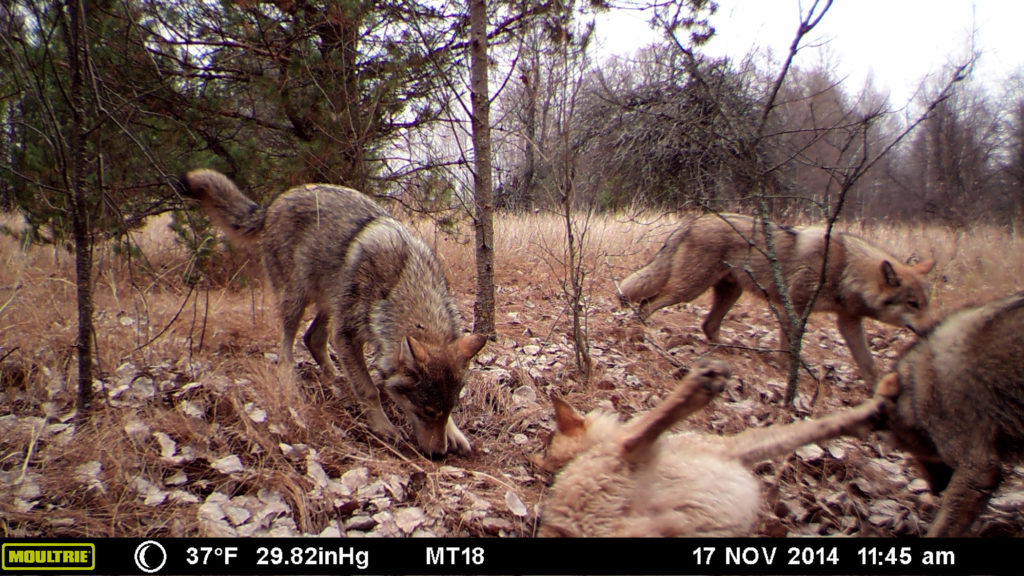
30 years after Chernobyl, UGA camera study reveals wildlife abundance in CEZ
Thirty years ago, the Chernobyl Nuclear Power Plant in Pripyat, Ukraine, became the site of…
-
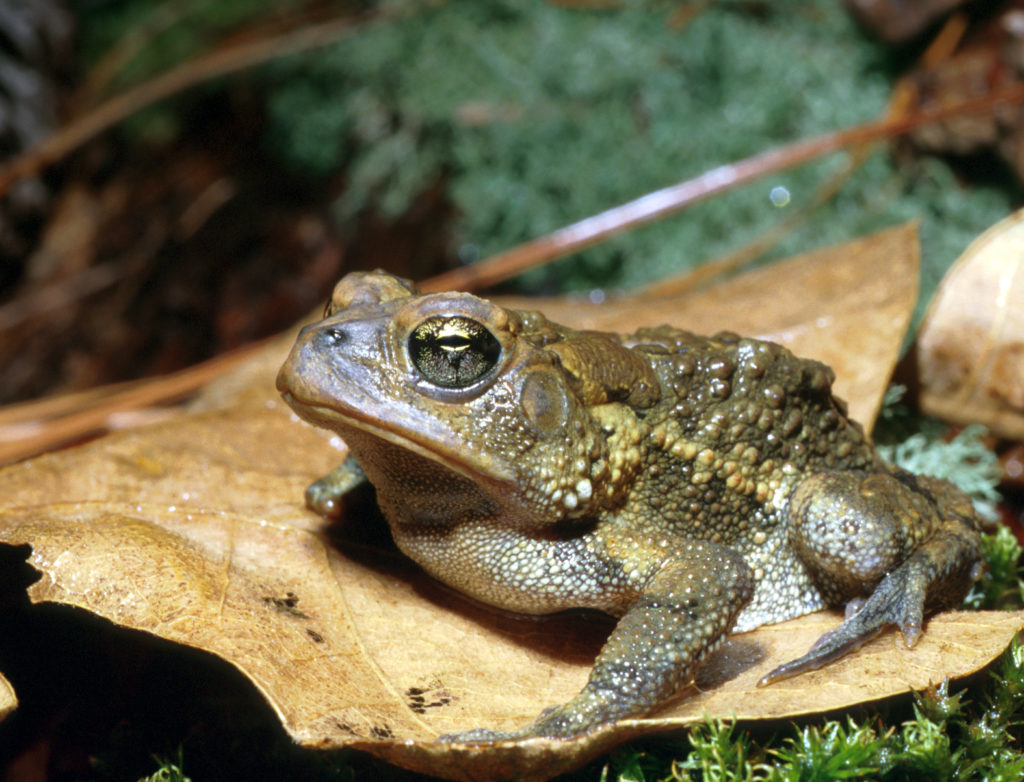
Combined effects of copper, climate change can be deadly for amphibians, research finds
Researchers at the University of Georgia’s Savannah River Ecology Laboratory warn that the extinction of…
-
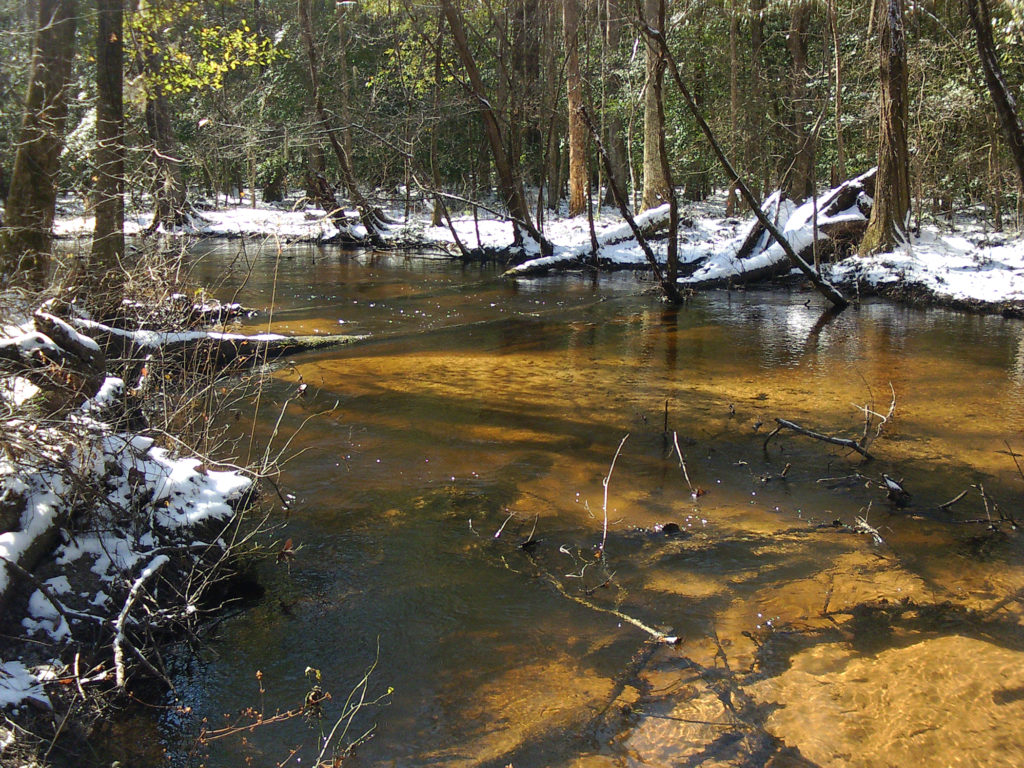
UGA ecologist finds another cause of antibiotic resistance
While the rapid emergence of antibiotic-resistant bacteria has prompted the medical community, non-profit organizations, public…
-
Team finds thriving wildlife populations at Chernobyl
A team of international researchers, including James Beasley, an assistant professor of wildlife ecology at…
-
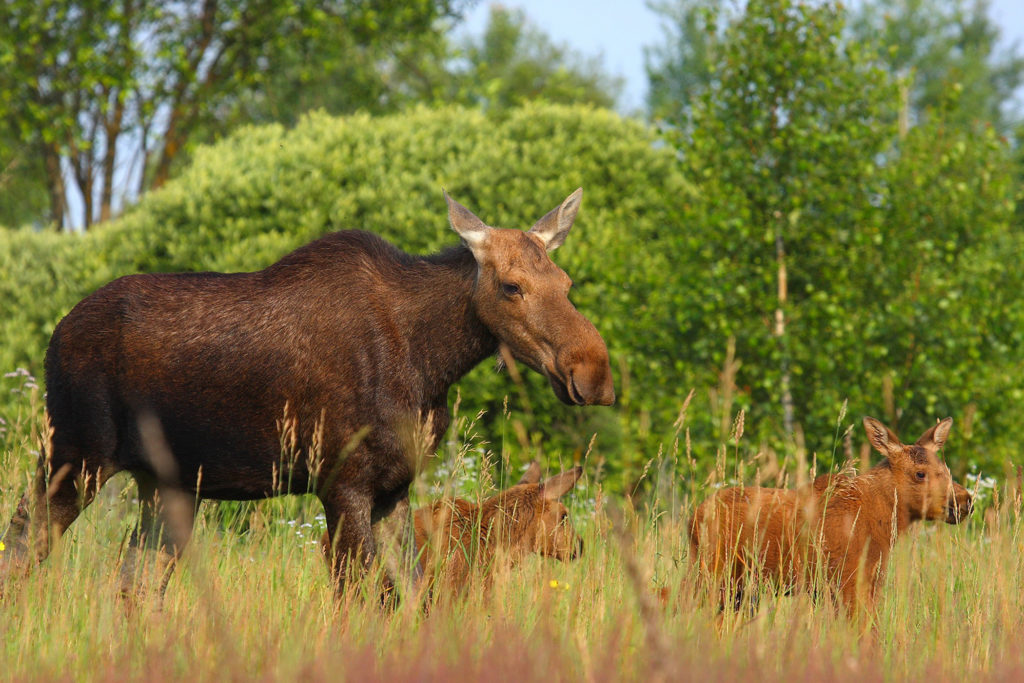
International research team finds thriving wildlife populations in Chernobyl
A team of international researchers, including James Beasley, assistant professor of wildlife ecology at the…
)